
























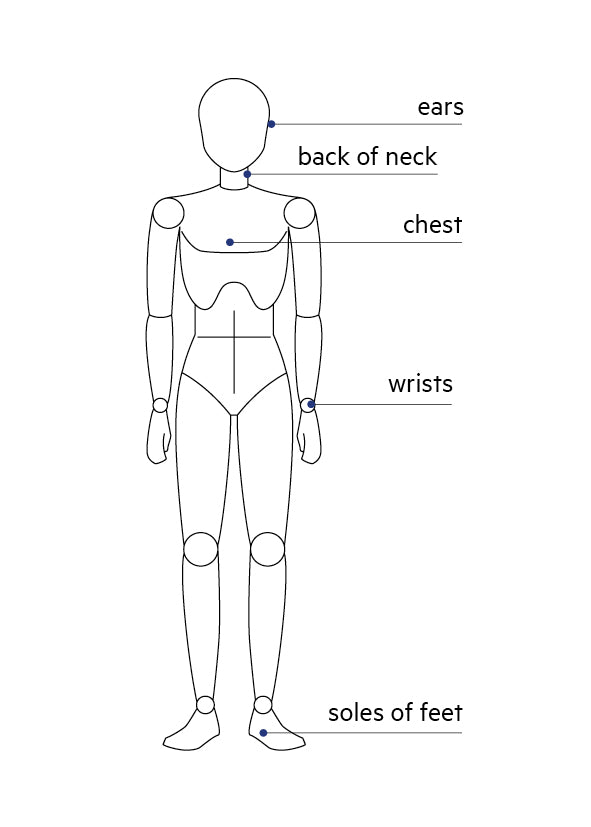

Meditation improves sleep by activating the parasympathetic nervous system, reducing cortisol levels, and quieting mental chatter. Regular practice helps your body transition from wakefulness to rest more smoothly, resulting in faster sleep onset, fewer nighttime awakenings, and deeper restorative sleep.
Your body is exhausted, but your brain refuses to cooperate. The moment your head hits the pillow, thoughts start racing about tomorrow's deadlines, unfinished tasks, and random worries that seem urgent at midnight but meaningless by morning. This nightly battle between a tired body and a wired mind affects millions of people, and meditation offers a natural, research-supported approach that helps many people improve sleep quality.
Want To Correct Your Sleep Routine?
anatomē formulations and scents combinees aromachology with natural botanicals to support your sleep journey. Our Somali Frankincense and Roman Chamomile formulations work in conjunction with meditation practices to help you achieve deeper, more restorative sleep.
The Science Behind Meditation and Sleep
Your brain does not have a true off switch, but meditation helps shift it out of high-alert states that interfere with sleep. When you meditate, your body undergoes real physiological changes that prepare you for quality sleep. Understanding what happens inside your body helps explain why this ancient practice delivers such powerful results.
How Meditation Affects Your Nervous System
Your autonomic nervous system operates in two modes: sympathetic (fight-or-flight) and parasympathetic (rest-and-digest). Stress and anxiety keep your sympathetic system running hot, making sleep feel impossible.
Meditation triggers your parasympathetic response:
-
Heart rate and breathing slow down naturally
-
Blood pressure drops to relaxed levels
-
Cortisol and adrenaline levels begin to decrease as your body shifts into a calmer state
-
Muscle tension releases from head to toe
This shift tells your brain you are safe and ready to rest.
What Happens in Your Brain During Meditation
Brain imaging studies show measurable changes during certain types of meditation, particularly with consistent practice:
-
Alpha Waves Increase: These brainwaves bridge the gap between being awake and drifting off to sleep.
-
Amygdala Activity Decreases: Your brain's alarm system quiets down, reducing anxiety that causes tossing and turning.
-
Prefrontal Cortex Engagement: The area responsible for emotional regulation becomes more active, helping you process worries instead of spiralling.
Did you know?
Mindfulness meditation improved sleep quality just as effectively as sleep medication, without any side effects or morning grogginess.
Why Racing Thoughts Destroy Sleep Quality
Here is the frustrating truth about sleep problems: many common sleep problems are driven more by mental overactivity than physical fatigue. You can be physically exhausted, yet your brain keeps churning through thoughts like it is running a marathon. Understanding why this happens is the first step toward fixing it.
The Vicious Cycle of Sleep Anxiety
Difficulty falling asleep creates worry about not sleeping, which makes sleep even harder. You check the clock, calculate lost hours, and feel frustration building. Stress hormones flood your system, pushing sleep further away. Meditation breaks this cycle by redirecting attention to the present moment, rather than dwelling on future worries.
How Meditation Quiets Mental Chatter
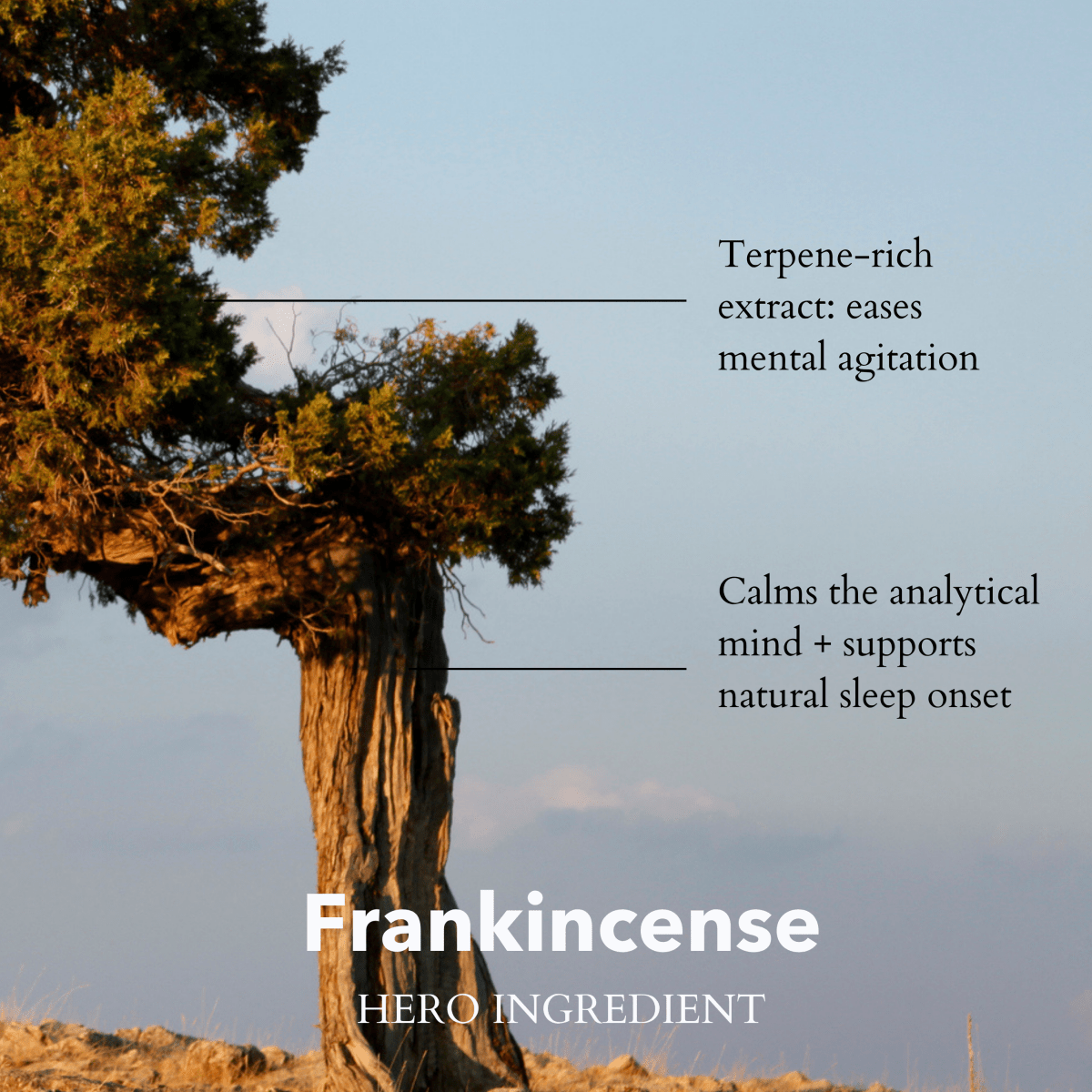
Falling asleep requires your brain to disengage from active thinking. Meditation trains your brain to observe thoughts without engaging with them, allowing mental noise to settle naturally. Instead of chasing every thought, you learn to let them pass like clouds. Somali frankincense carries a long, ritual-rich history of use for mental clarity, now echoed by emerging neuroscience suggesting its aromatic compounds may help quiet the brain, easing stress and supporting a calmer, more focused state.
Pro Tip:
Pair your meditation practice with anatomē's Overactive Mind Sleep Oil featuring Somali Frankincense. This botanical blend calms mental noise while you practice, creating a powerful combination for quieting racing thoughts.
Meditation Techniques That Actually Help You Sleep
Not all meditation works equally well for sleep. Some techniques energise you, while others specifically target the relaxation response your body needs before bed. These three methods consistently deliver the best results for sleep.
Body Scan Meditation
This technique systematically relaxes each part of your body:
-
Lie comfortably in bed with eyes closed
-
Start at your toes and notice any sensations
-
Consciously relax each body part, moving upward
-
Progress through feet, legs, hips, abdomen, chest, arms, and head
-
Notice how your body feels heavier with each breath
Breath-Focused Meditation
Your breath serves as the perfect anchor for meditation:
-
Inhale slowly for 4 counts
-
Hold gently for 2 counts
-
Exhale slowly for 6 counts
-
Repeat for 5-10 minutes
The extended exhale directly activates your parasympathetic nervous system, signalling your body to relax.
Guided Sleep Meditation
If sitting in silence feels difficult, guided meditation provides structure and keeps your mind from wandering. A calming voice gives your brain something to focus on while progressive relaxation happens naturally.
Building a Pre-Sleep Meditation Routine
Consistency is everything when it comes to meditation and sleep. Your brain loves patterns, and when you meditate at the same time each night, your body starts preparing for sleep automatically. Think of it: like training a muscle, the more you practice, the stronger the response becomes.
Timing and Environment
Meditate 15-30 minutes before your target sleep time. Create the right environment with dim lighting, cool temperature, and minimal noise. These environmental cues reinforce the relaxation response you are building through meditation.
Combining Meditation with Aromatherapy
Scent has a close neurological link to brain regions involved in emotion and memory, making aromatherapy a useful complement to meditation. When you pair specific scents with your meditation practice, your brain creates associations that trigger relaxation automatically over time.
Sleep-Supporting Scents:
-
Frankincense: Calms overactive minds and eases anxiety
-
Roman Chamomile: Promotes deep relaxation and releases tension
-
Lavender: Reduces stress hormones and slows heart rate
anatomē's sleep formulations use these botanicals in carefully crafted blends that strengthen your meditation practice.
Did you know?
Scent has one of the most direct neural pathways to the limbic system, which plays a key role in emotion and memory.
Common Meditation Mistakes to Avoid
Even with the best intentions, small mistakes can undermine your meditation practice. The good news is these are easy to fix once you know what to watch for.
Trying Too Hard
Meditation does not require forcing your mind to go blank. That expectation creates frustration that works against relaxation. Instead, allow thoughts to come and go without judgment.
Inconsistent Practice
Occasional meditation provides temporary relief at best. Daily practice, even just 5 minutes, delivers lasting results. Your brain needs repetition to build new patterns.
Expecting Immediate Results
Give yourself 2-4 weeks of consistent practice before evaluating whether meditation helps your sleep. Most people notice improvements within this timeframe.
Pro Tip: Keep a simple sleep journal tracking meditation practice and sleep quality. Seeing progress helps maintain motivation on difficult nights.
When Meditation Benefits from Additional Support
Meditation works best as part of a complete sleep routine rather than a standalone solution. Combining meditation with good sleep hygiene creates a powerful foundation for quality rest. This includes maintaining a consistent schedule, cutting caffeine after early afternoon, avoiding screens before bed, and using natural sleep support such as sleep supplements when appropriate.
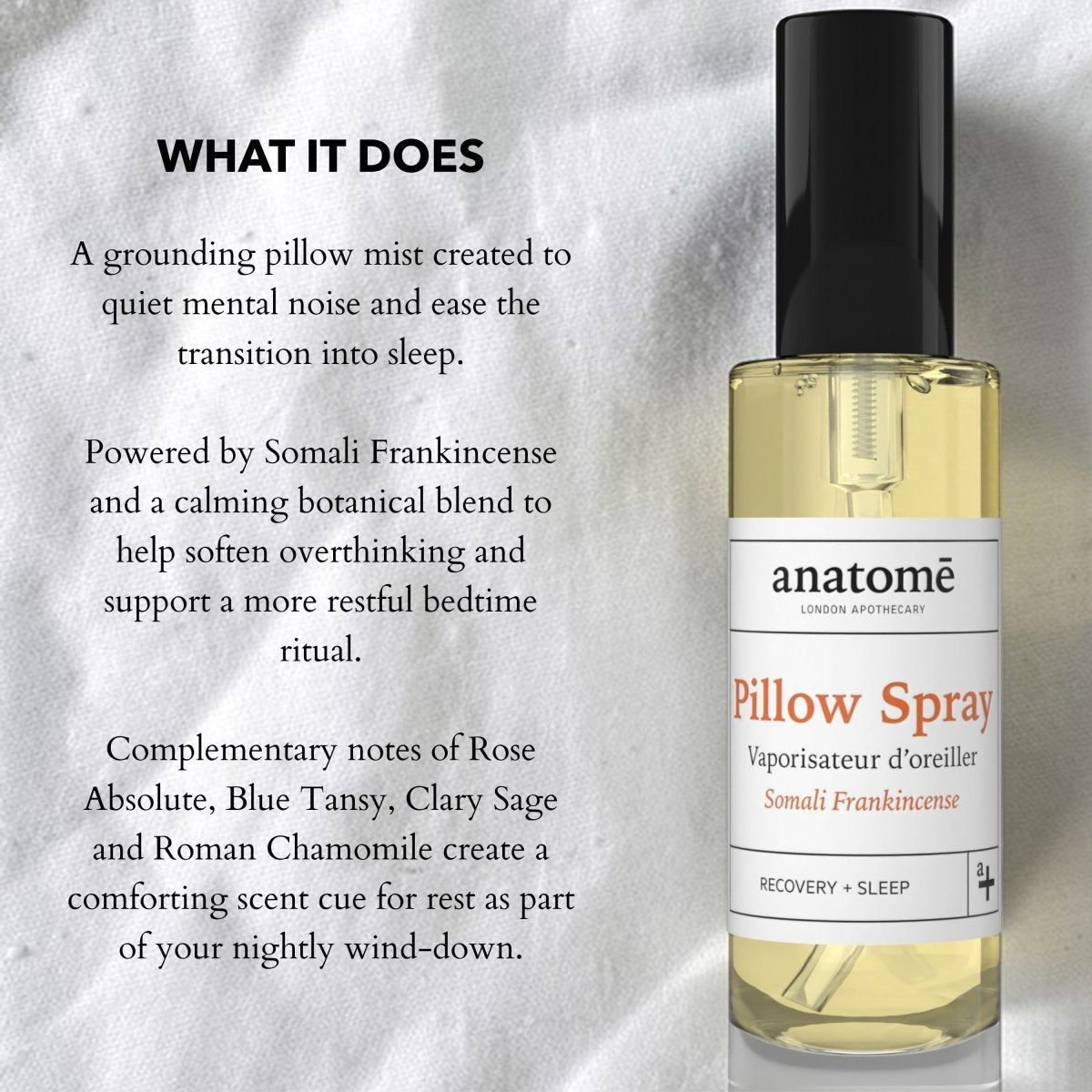
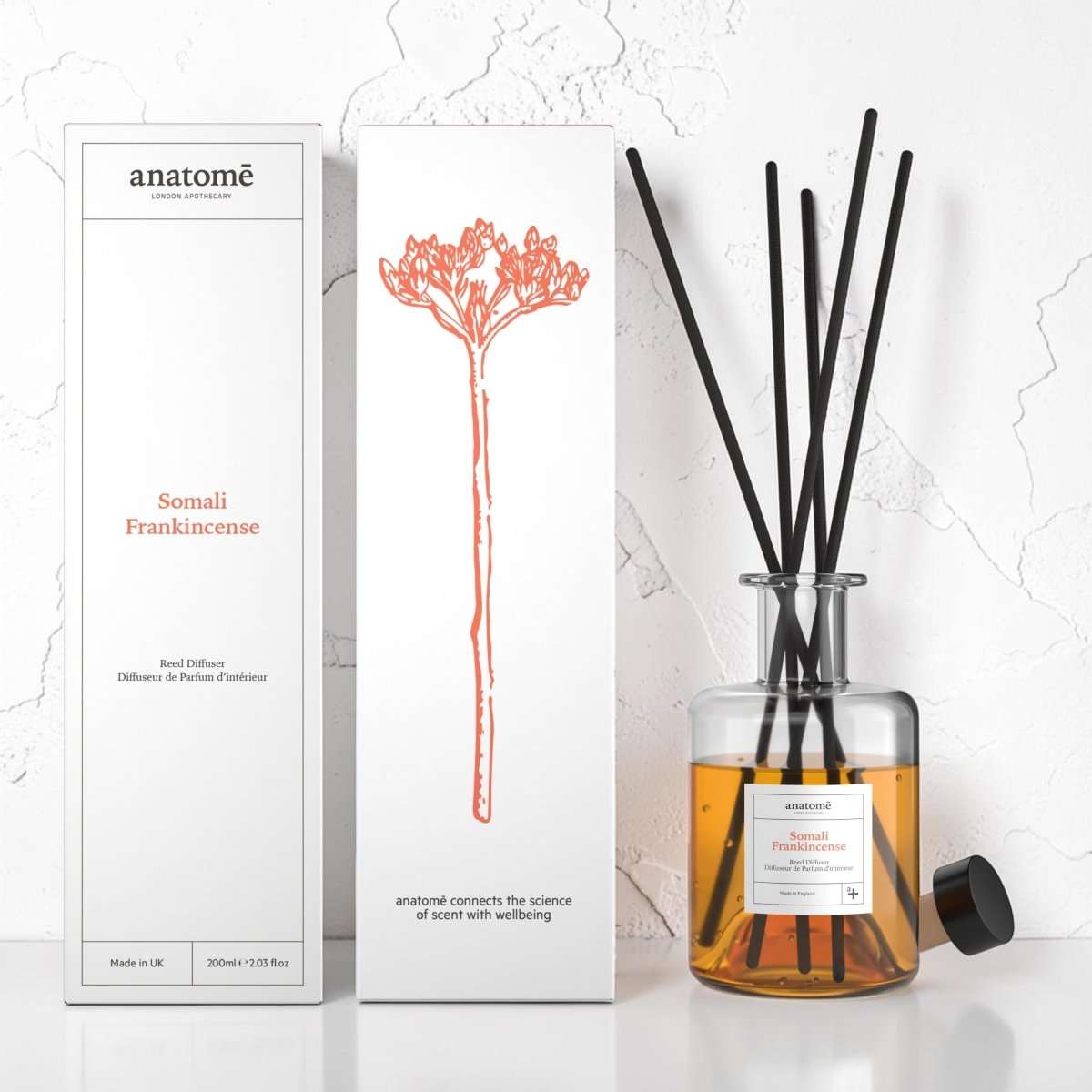
anatomē's Complete Sleep Practice combines Somali Frankincense oil, pillow spray, and bath oil for a comprehensive bedtime ritual that enhances your meditation practice. anatomē's award-winning sleep collection features formulations developed using aromachology science. From Overactive Mind Sleep Oils to calming Pillow Sprays, our natural botanicals deliver the restorative sleep you deserve.
Important FAQs
How does meditation improve sleep?
Meditation activates the parasympathetic nervous system, lowers stress hormones, and reduces mental chatter. These changes help your body relax and transition into sleep more easily.
How long should I meditate before bed?
Begin with 10-15 minutes each night. Adjust duration based on personal preference, but consistency matters more than length.
What meditation technique works best for sleep?
Body scan meditation, breath-focused techniques, and guided sleep meditations produce excellent results. Try different approaches to discover what works for you.
When will I start seeing results from sleep meditation?
Most people notice improved sleep quality within 2-4 weeks of daily practice.
Does aromatherapy enhance meditation for sleep?
Yes, anatomē’s Overactive Mind Sleep Oil and Roman Chamomile Pillow Spray can complement meditation by supporting relaxation and reinforcing consistent sleep routines.
