


















Deep sleep is enhanced by maintaining consistent sleep schedules, creating a calm bedroom environment, and minimising stimulating activities in the evening. Regular physical activity and supportive practices, such as aromatherapy and magnesium supplementation, may help promote restorative sleep for many people. These strategies help your body spend more time in slow-wave sleep, the most restorative phase of your sleep cycle.
You wake up after eight hours in bed but still feel exhausted. Coffee barely helps, your focus is scattered, and by midday, you are already counting down to bedtimeCoffee barely helps, your focus is scattered, and by midday, you are already counting down to bedtime. The problem likely is not how long you sleep but how deeply you sleep. Deep sleep is where real restoration happens, and most people are not getting enough of it.
What Is Deep Sleep and Why Does It Matter?
Deep sleep is the most physically restorative phase of your sleep cycle. During this stage, your brain waves slow dramatically, your body repairs tissues, your immune system strengthens, and memories consolidate. Without adequate deep sleep, everything from your mood to your metabolism suffers.
Understanding Your Sleep Cycles
Your body cycles through different sleep stages multiple times each night. Light sleep comes first, followed by deep sleep (slow-wave sleep), and then REM sleep. Each complete cycle takes roughly 90 minutes, and you typically experience four to six cycles per night.
Deep sleep is most abundant during the first half of the night. Going to bed late often leaves you feeling unrested because your body prioritises deep sleep early.
Signs You Are Not Getting Enough Deep Sleep
-
Waking up feeling unrefreshed despite adequate sleep time
-
Difficulty concentrating and mental fog throughout the day
-
Increased appetite and cravings for sugary foods
-
Weakened immune function and frequent minor illnesses
-
Slow physical recovery after exercise
Did you know?
Adults generally spend 1.5-2 hours in deep sleep per night, though this amount decreases naturally with age. By age 60, many people may get only half as much deep sleep as in their twenties.
Creating A Perfect Sleep Environment Is Important
Your bedroom environment directly impacts how much deep sleep you achieve each night. Small changes to your sleep space can produce significant improvements in sleep quality.
Temperature and Light
Your body temperature naturally drops during deep sleep, and a cool bedroom supports this process. The ideal sleeping temperature falls between 15-19°C (60-67°F).
Complete darkness signals your brain to produce melatonin. Even small amounts of light from phone chargers or streetlights can disrupt deep sleep without fully waking you.
-
Set the thermostat lower at night.
-
Use blackout curtains or blinds.
-
Cover or remove electronic lights.
-
Dim household lights 1-2 hours before bed
Scent and Atmosphere
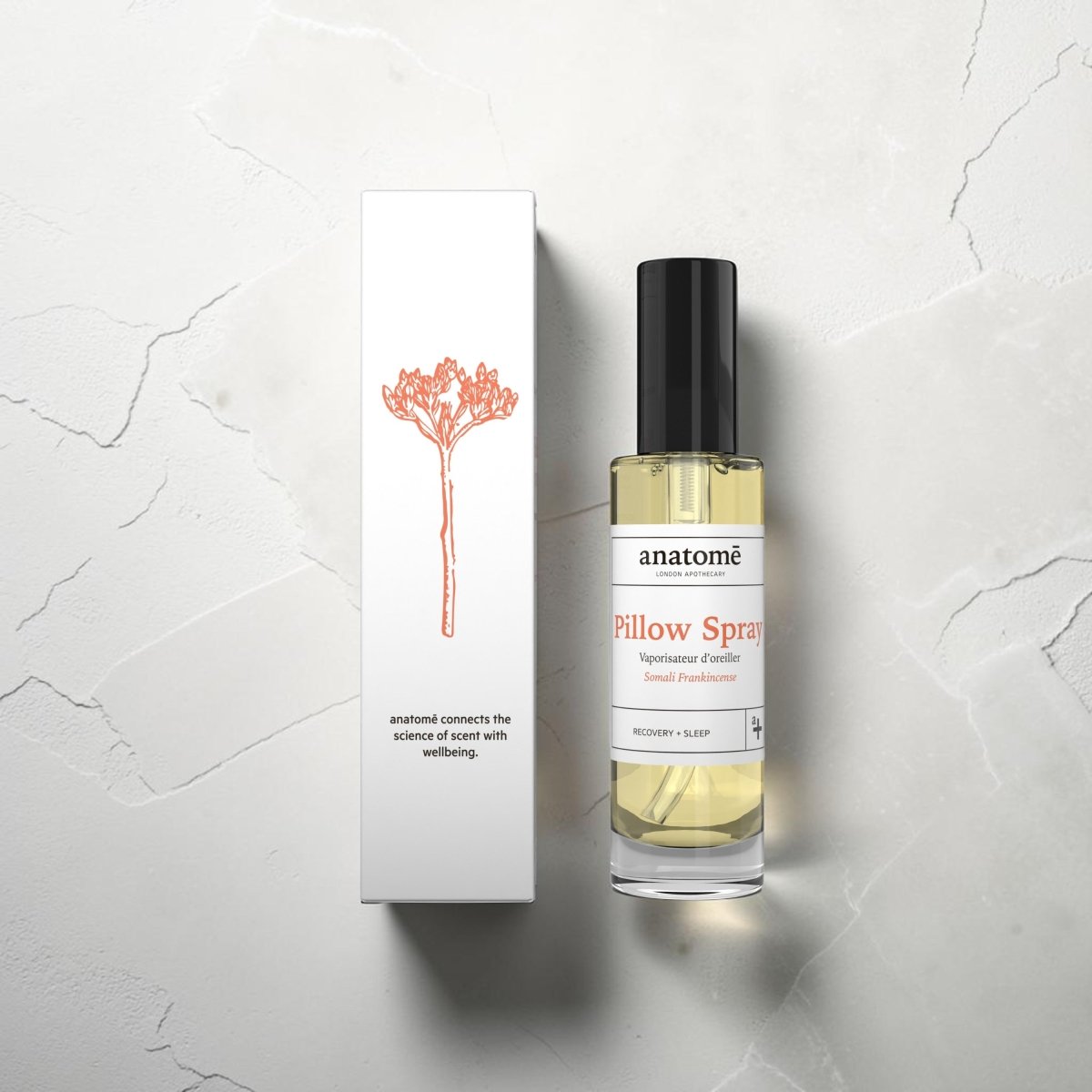
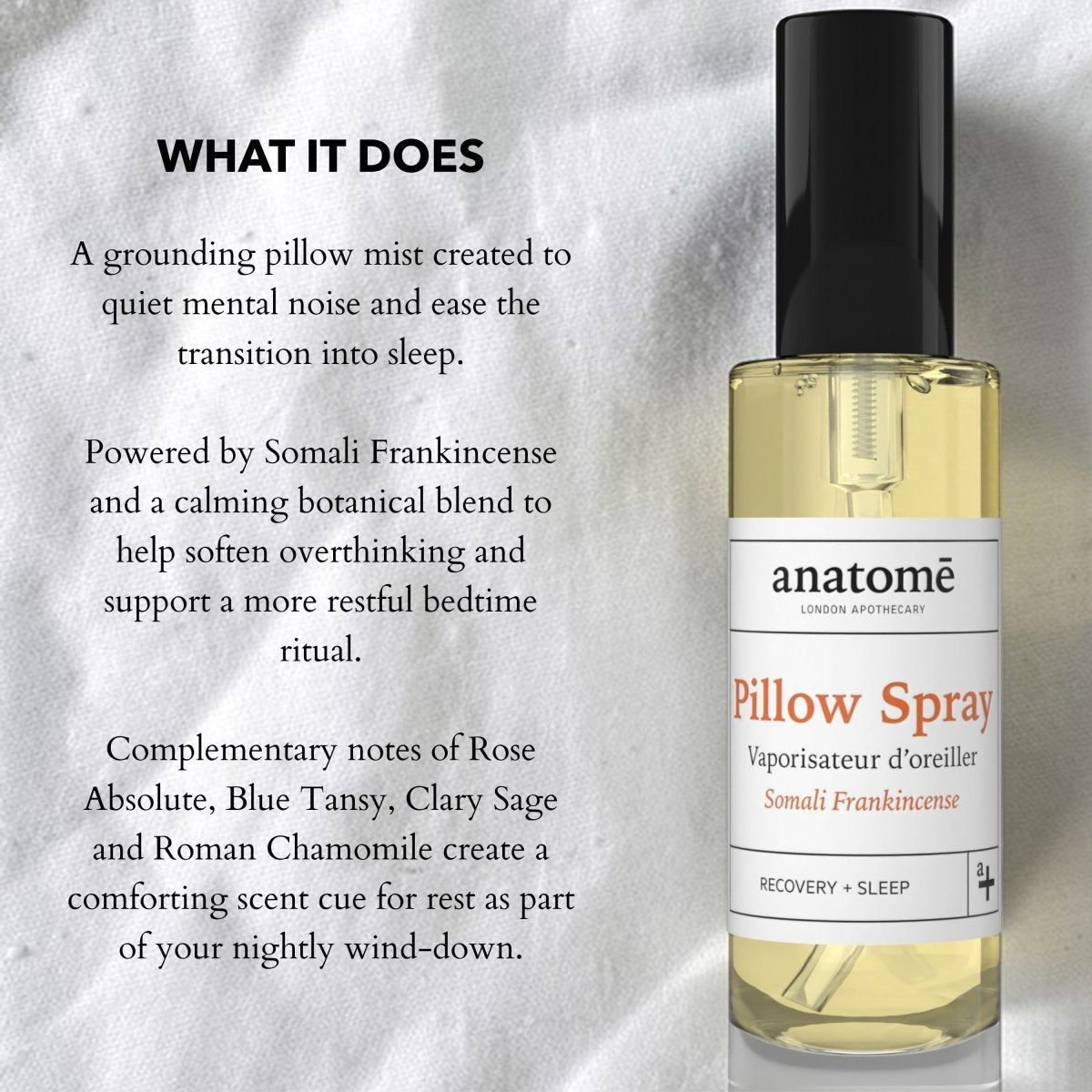
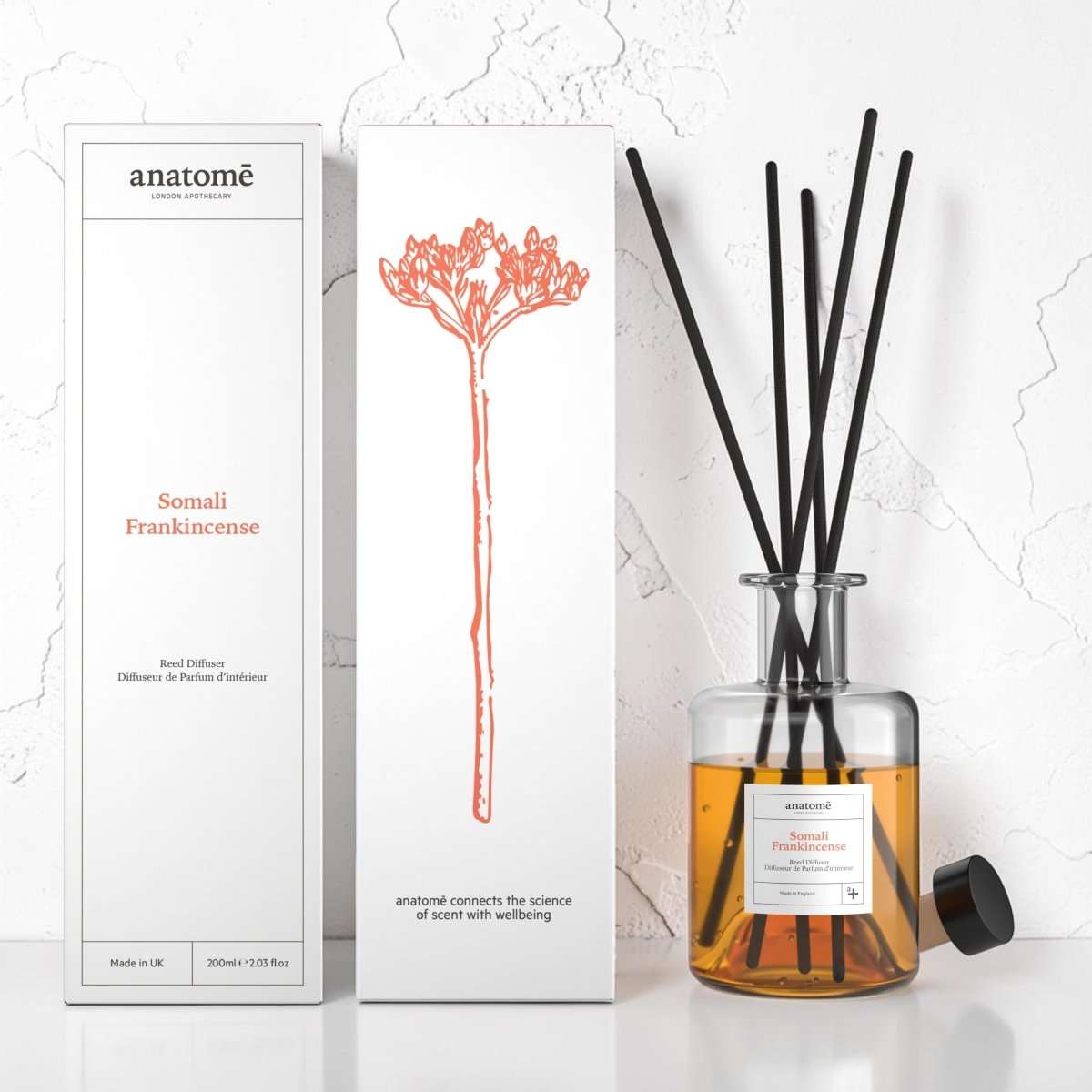
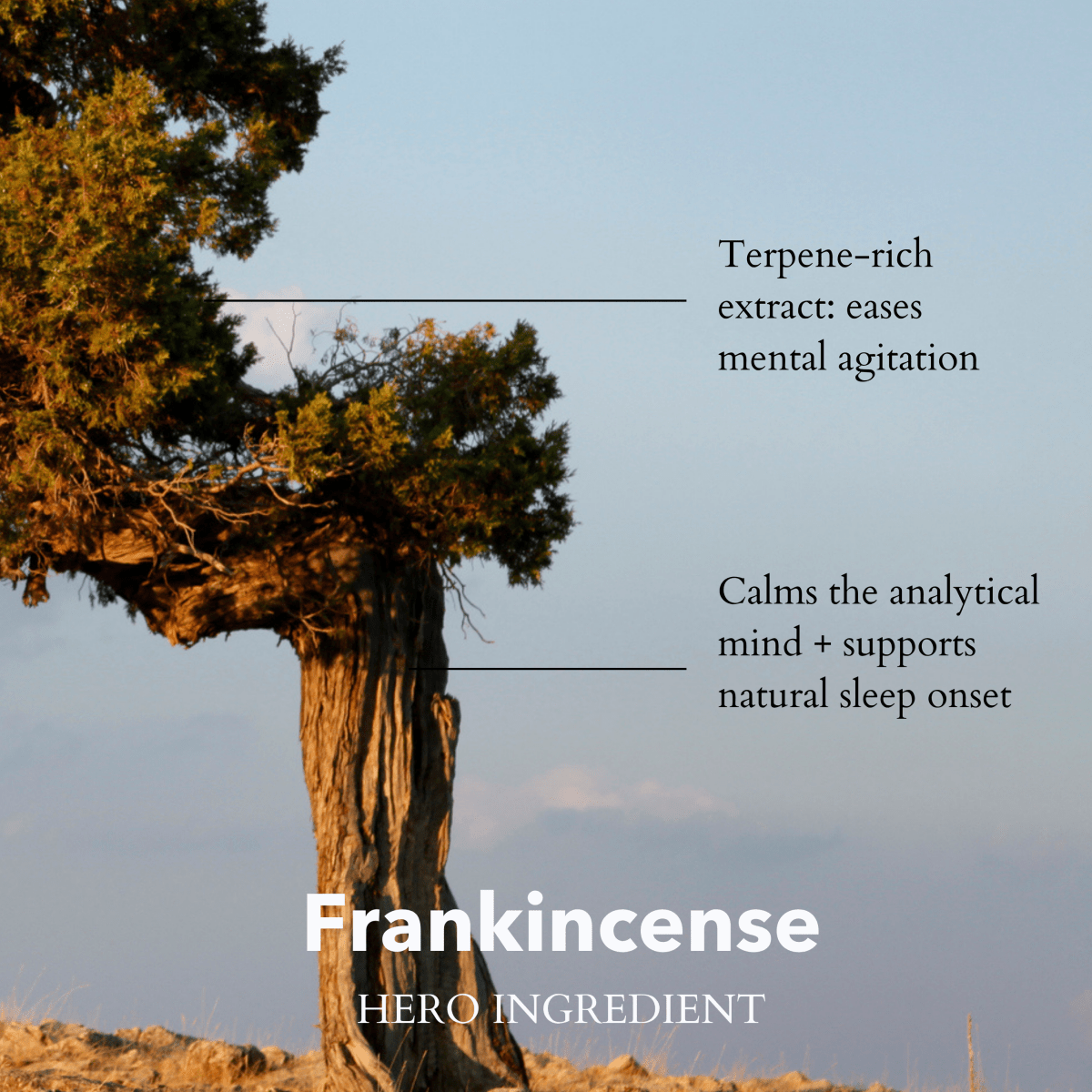
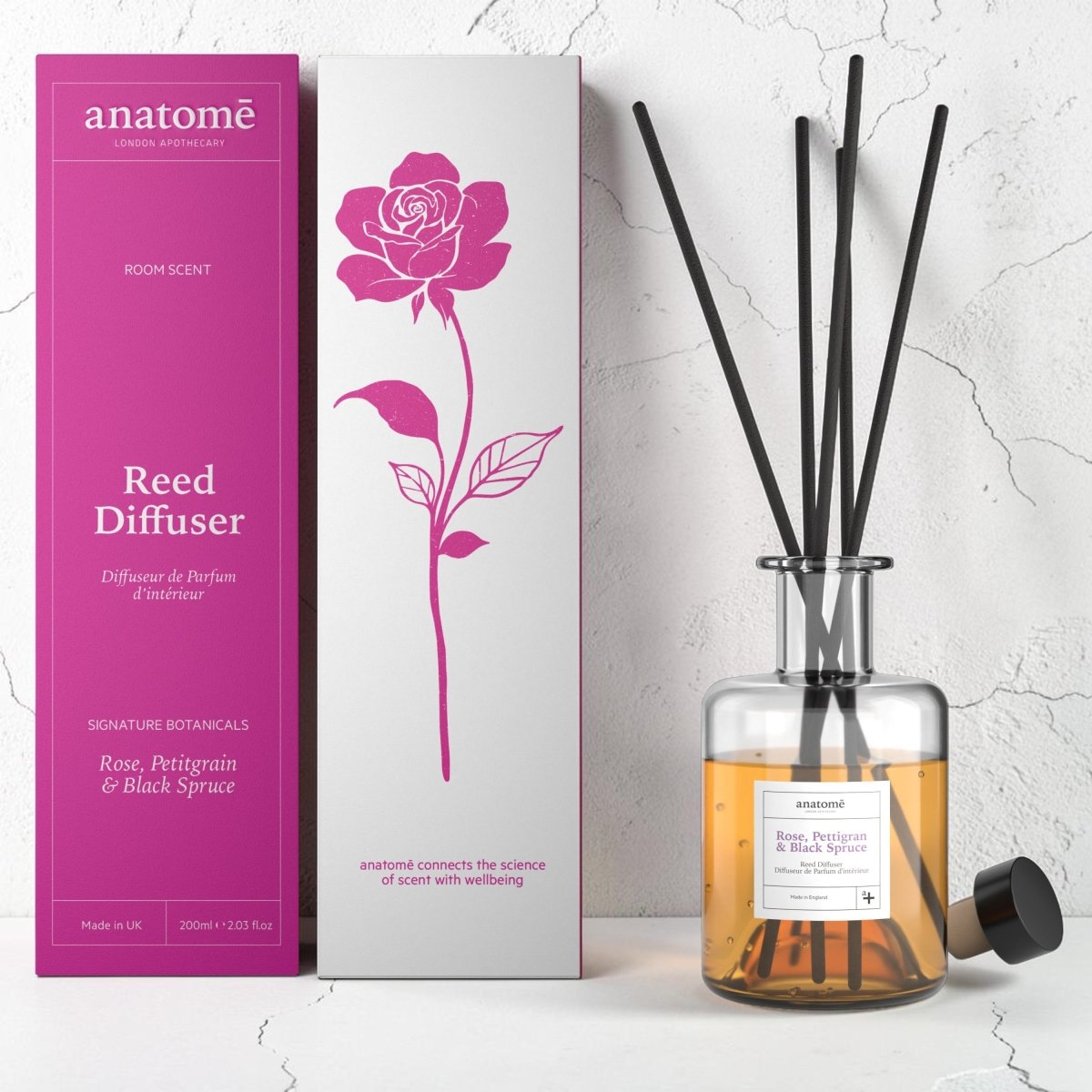
Your sense of smell has a strong connection to brain regions involved in relaxation and sleep. Introducing calming scents into your bedroom creates an environment conducive to deep sleep. anatomē's Somali Frankincense Reed Diffuser fills your bedroom with calming botanical notes that promote relaxation.
Pro Tip:
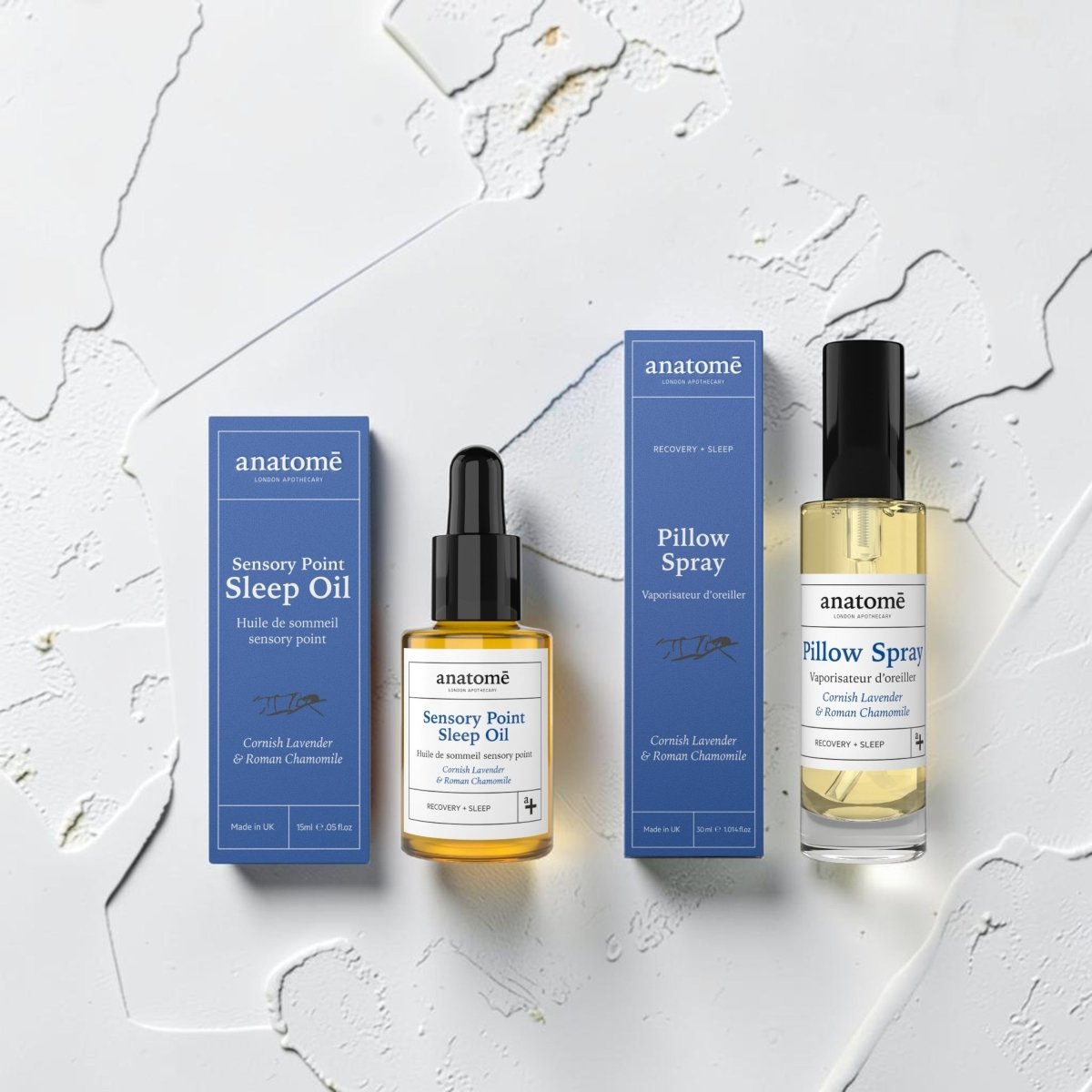
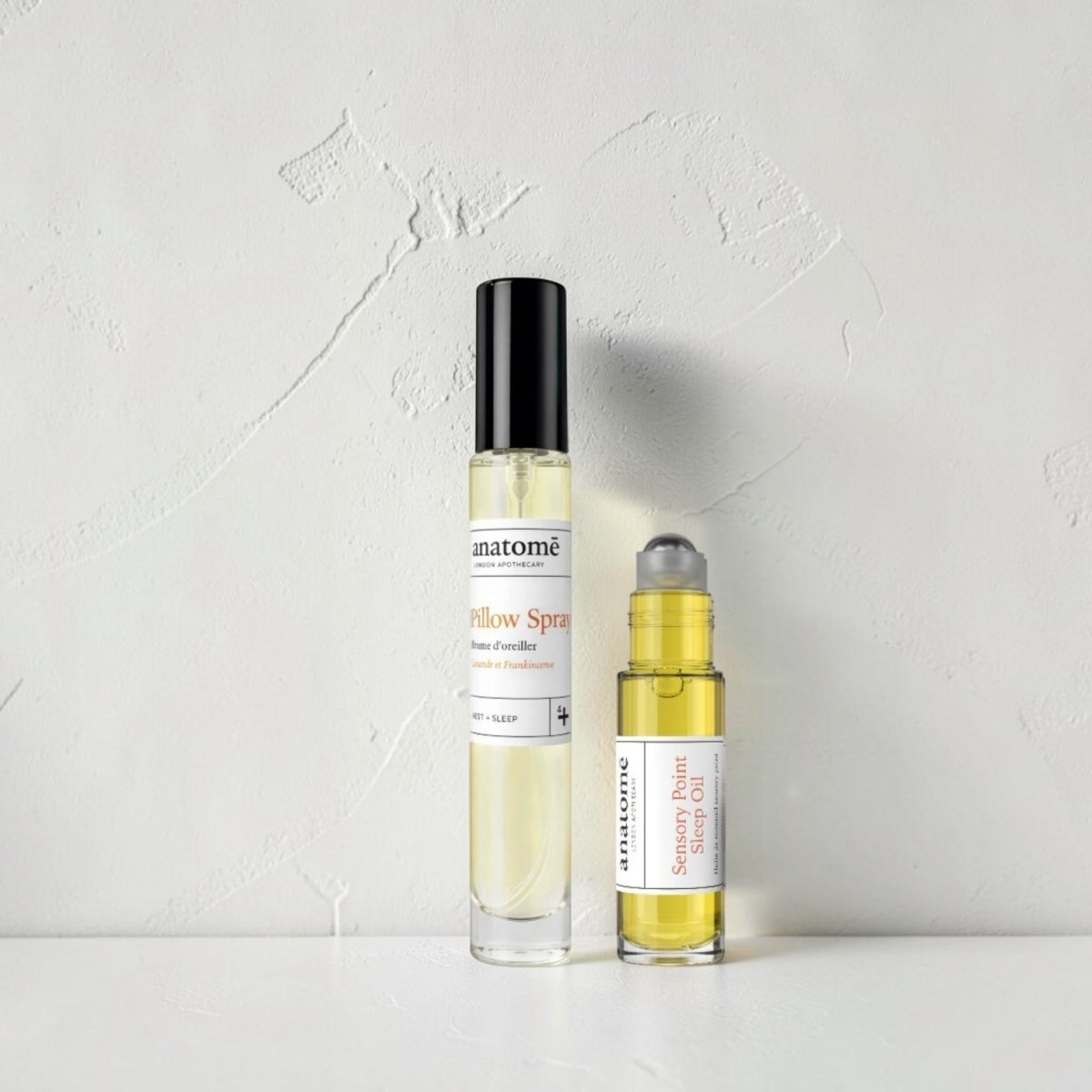
Spray a chamomile or lavender pillow spray on your bedding 15 minutes before sleep. The calming aroma signals your brain that sleep time has arrived.
Evening Habits That Promote Deep Sleep
What you do in the hours before bed dramatically affects your deep sleep quality. Your body needs time to transition from daytime alertness to nighttime rest.
The Wind-Down Window
Give yourself 60-90 minutes of wind-down time before your target bedtime. During this period, avoid stimulating activities and begin transitioning toward rest.
Effective wind-down activities include:
-
Taking a warm bath with relaxing botanicals
-
Light stretching or gentle yoga
-
Reading physical books (not screens)
-
Practising meditation or breathing exercises
Managing Screen Exposure and Nutrition
Blue light from phones and computers suppresses melatonin production and keeps your brain alert. Stop screen use 60 minutes before bed and keep phones outside the bedroom.
Avoid these within 4-6 hours of bedtime:
-
Caffeine (coffee, tea, chocolate)
-
Alcohol (disrupts sleep cycles despite initial drowsiness)
-
Large or spicy meals
The Role of Magnesium in Deep Sleep
Magnesium plays a crucial role in sleep regulation, yet most people do not get enough through diet alone. This essential mineral helps activate the parasympathetic nervous system and supports melatonin production.
How Magnesium Supports Sleep
-
Supports GABA receptor activity, which may promote calm and relaxation
-
Contributes to melatonin regulation for healthy sleep timing
-
Helps relax muscles and reduce physical tension
-
Supports stress response and may aid cortisol regulation
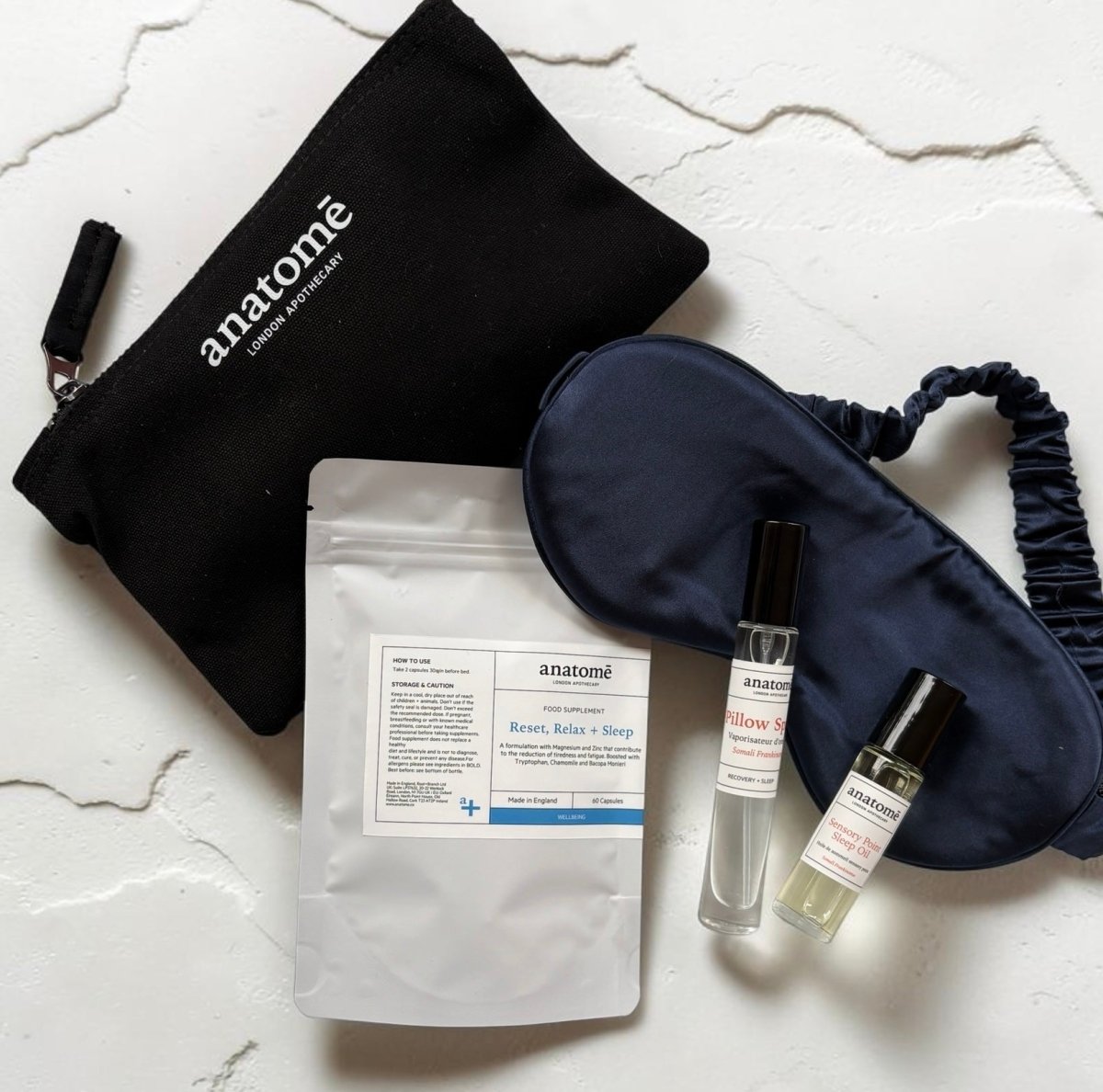
anatomē's Magnesium Sleep Supplement combines magnesium Bisglycinate with complementary botanicals designed to support deeper, more restorative sleep. Shop Now!
Physical Activity and Deep Sleep
Exercise is one of the most effective tools for improving deep sleep, but timing matters. Regular physical activity can improve the amount and quality of deep sleep for many people.
Timing Your Workouts
-
Morning workouts: Excellent for sleep, helps regulate circadian rhythm
-
Afternoon workouts: Optimal for most people
-
Evening workouts: May interfere with sleep if performed within 2-3 hours of bedtime
Pro Tip:
After evening exercise, use some relaxing body oil to help your body transition to rest. The warm water and calming botanicals accelerate the cool-down process.
Building a Consistent Sleep Schedule
Your body operates on a circadian rhythm that regulates sleep-wake cycles. Inconsistent sleep times confuse this internal clock, and deep sleep suffers as a result.
Going to bed and waking at the same times each day synchronises your circadian rhythm. People with consistent sleep schedules often fall asleep faster and may spend more time in deep sleep.
-
Choose a bedtime allowing 7-9 hours of sleep
-
Wake at the same time daily, including weekends
-
Expose yourself to bright light upon waking
Creating A Complete Deep Sleep Ritual
Combining multiple strategies into a consistent bedtime routine can support better deep sleep than making random changes.
Sample Evening Ritual
-
90 minutes before bed: Dim lights, stop screens, light anatomē's Somali Frankincense Reed Diffuser
-
60 minutes before bed: Warm bath with our Recovery Sleep Bath Oil, gentle stretching
-
30 minutes before bed: Take anatomē's Sleep Supplement and spray our Roman Chamomile Pillow Spray on bedding
-
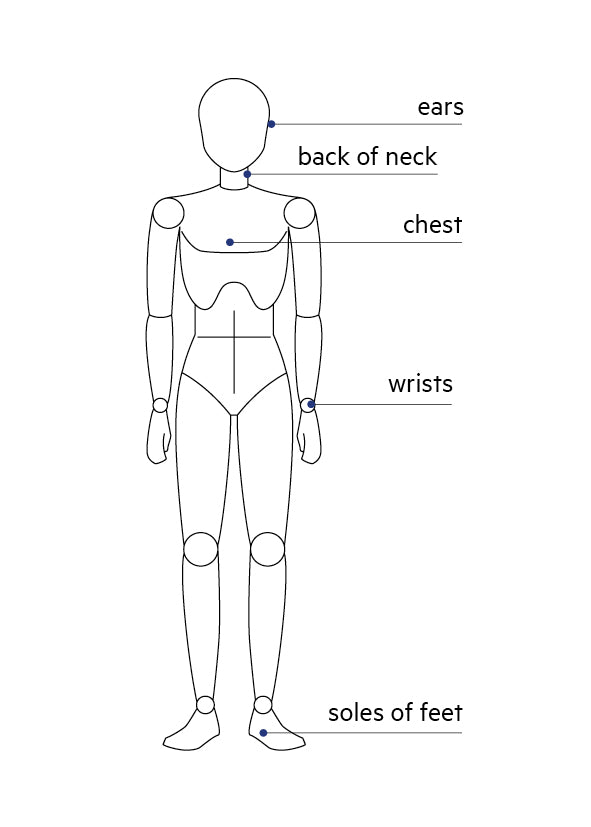
At bedtime: Apply our Overactive Mind Sleep Oil to pulse / sensory points, lie down in your cool, dark bedroom
Final Call
Improving deep sleep requires a combination of consistent habits, an optimised environment, and natural support. Start by establishing a regular sleep schedule and creating a cool, dark bedroom. Add a proper wind-down routine that includes limiting screens, managing evening nutrition, and incorporating calming aromatherapy.
anatomē is dedicated to supporting better sleep and overall wellness through research-backed formulations and holistic approaches. With a focus on natural botanicals and aromachology, anatomē helps people create routines that promote relaxation, balance, and restorative rest every night.
Important FAQs
How can I increase my deep sleep naturally?
Maintain consistent sleep times, keep your bedroom cool and dark, exercise regularly but not close to bedtime, and use calming aromatherapy. anatomē encourages holistic practices that support natural relaxation and deeper rest.
How much deep sleep do I need each night?
Adults typically spend 1-2 hours in deep sleep per night, roughly 15-20% of total sleep time, though this varies with age and individual sleep patterns.
Why do I wake up tired after sleeping 8 hours?
You may be spending insufficient time in deep sleep due to environmental factors, stress, inconsistent schedules, or lifestyle habits that disrupt your sleep cycles.
Does magnesium help with deep sleep?
Magnesium may support GABA receptor activity, help regulate melatonin, and relax muscles, contributing to better deep sleep. anatomē emphasises research-backed approaches to support natural sleep regulation.
Can aromatherapy improve deep sleep?
Yes, scents like frankincense and chamomile can influence brain regions involved in relaxation and stress reduction. anatomē promotes holistic strategies that help create a calming sleep environment.
