












What if better sleep was just a few drops away?
Millions of people struggle to switch off at night. Racing thoughts, restless bodies, and that frustrating inability to drift off affect sleep quality and next-day energy. The good news is that nature offers powerful solutions that have worked for centuries.
Essential oils for sleep and relaxation calm the nervous system, reduce stress hormones, and signal to your brain that rest is coming. The right oils can transform your bedtime routine from a nightly struggle into a peaceful ritual you actually look forward to.
anatomē specialises in aromachology, which is the science of how scent influences mood and sleep. Our Sleep Collection combines traditional botanical wisdom with modern research to help you finally get the rest you deserve.
1. Somali Frankincense Oil
Best for: Those who can't switch off their mind at bedtime.
Somali Frankincense tops our list because it addresses the most common sleep complaint: an overactive mind. This ancient resin has been used for thousands of years in meditation and relaxation practices, and modern research confirms its powerful calming properties.
Frankincense works by slowing racing thoughts and creating a sense of grounded calm. The warm, woody aroma activates brain pathways associated with peace and stillness, making it easier to transition from the busyness of the day into restful sleep.
How to use it:
-
Apply to pulse points 30 minutes before bed
-
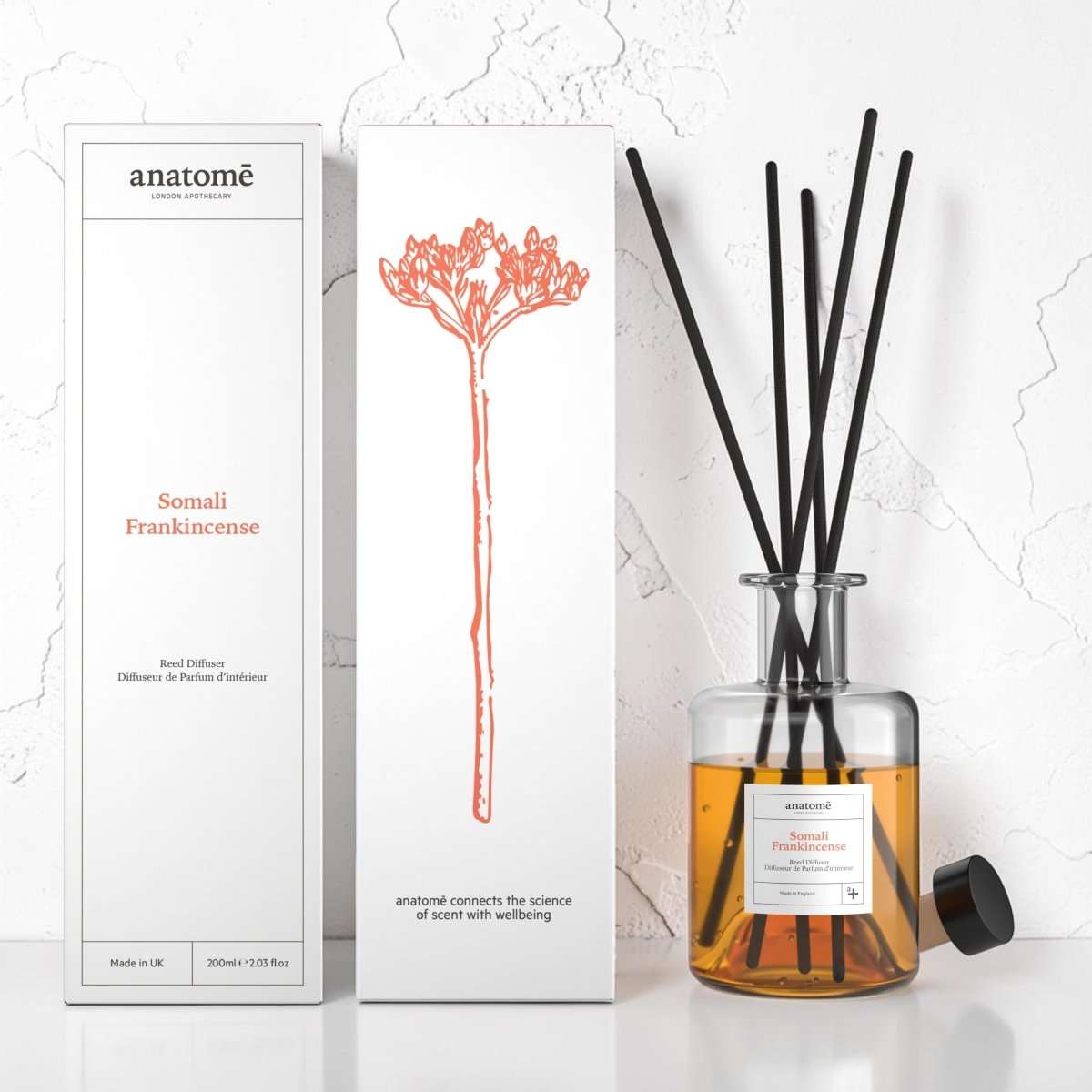
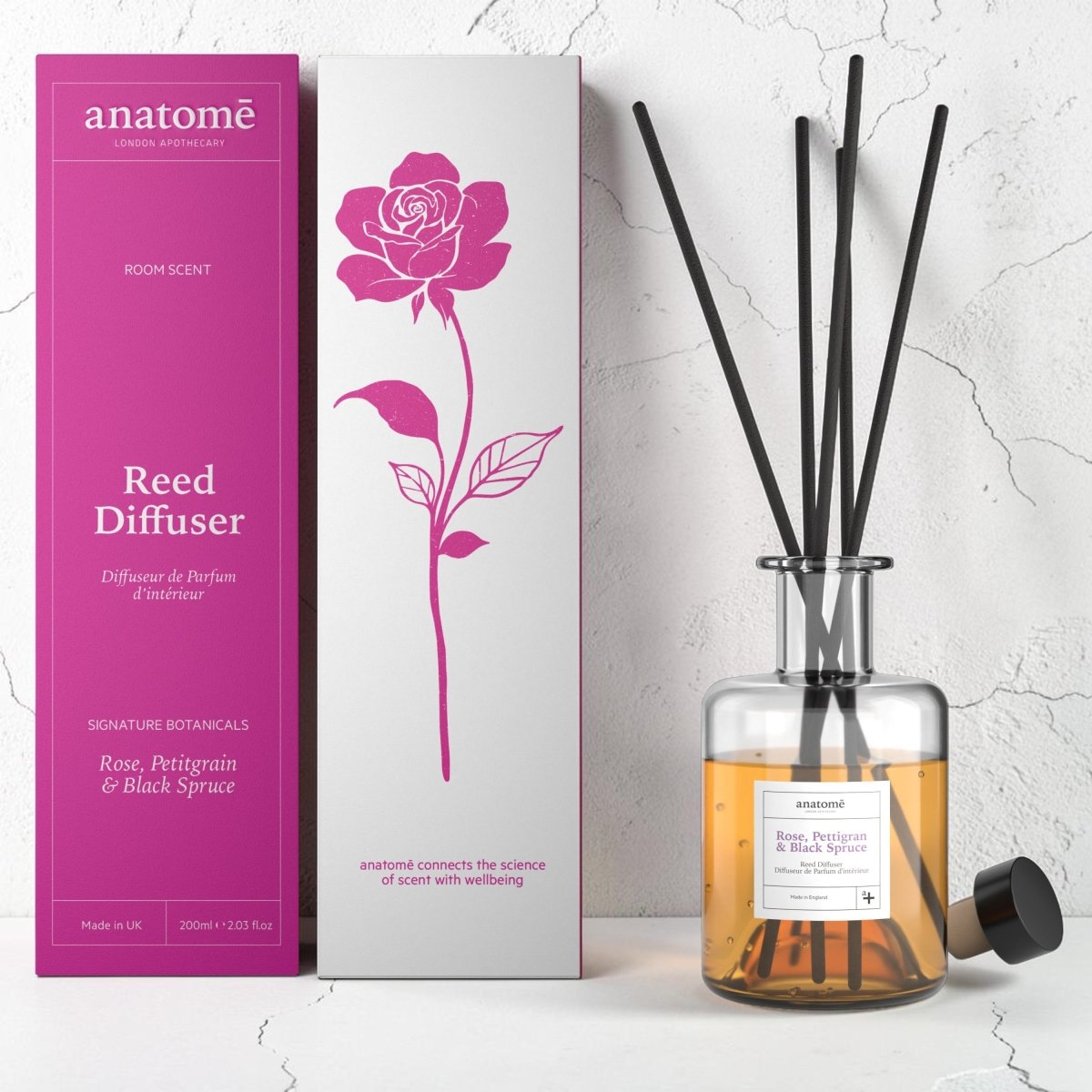
Add to a reed diffuser in your bedroom
-
Use in a pillow spray for continuous overnight benefits
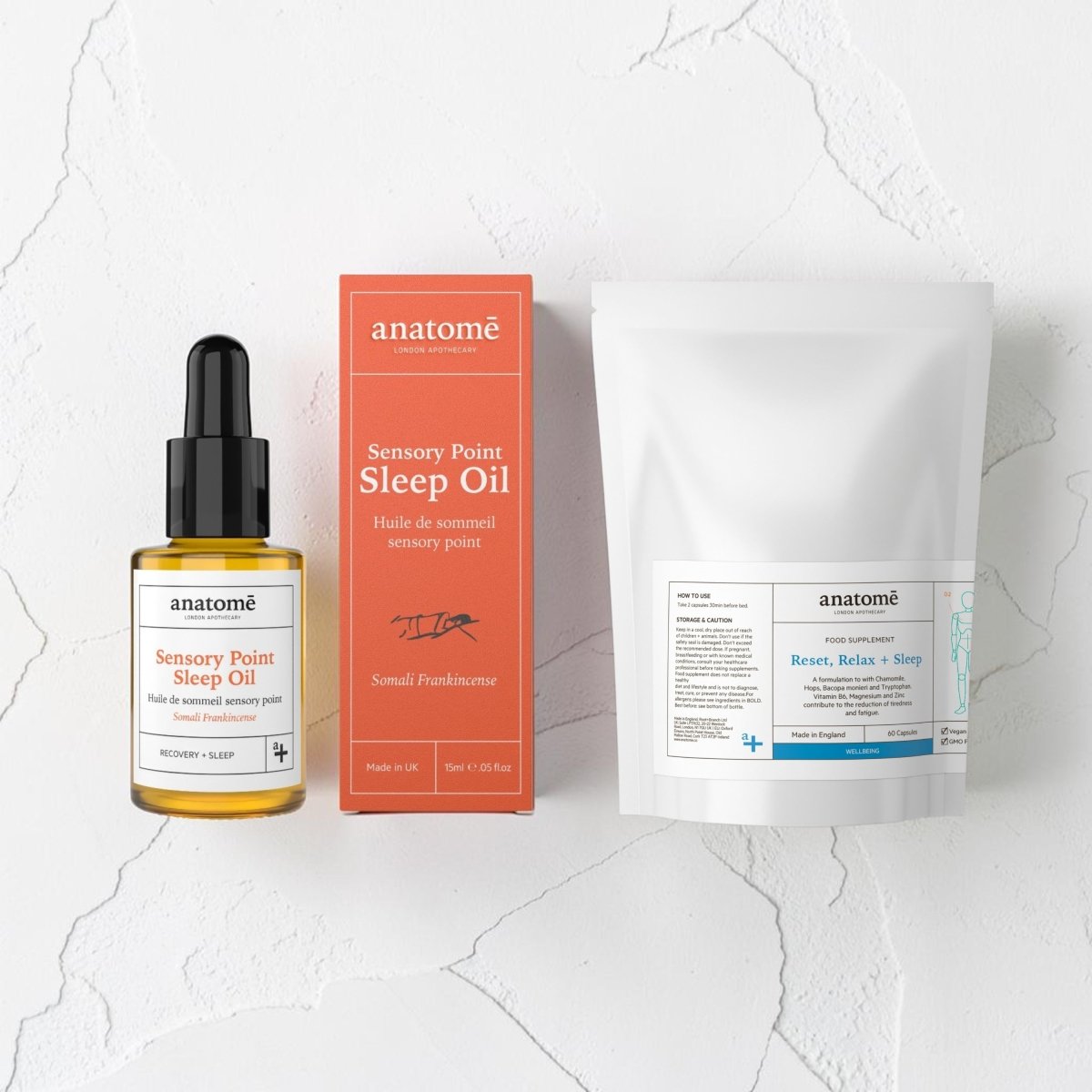
Our Overactive Mind Sleep Oil in Somali Frankincense is our bestselling and award-winning formulation. Backed by 34 happy reviews, this blend helps calm racing thoughts and encourages deeper rest when applied to the wrists, temples, and soles of the feet.
2. Roman Chamomile Oil
Best for: Those who wake during the night.
Roman Chamomile is the gentle giant of sleep aromatherapy. While frankincense helps you fall asleep, chamomile excels at helping you stay asleep through the night. Its soft, apple-like floral scent soothes the nervous system and reduces the kind of nighttime restlessness that fragments sleep.
This oil is particularly effective for people who fall asleep easily but find themselves wide awake at 3 am. Roman Chamomile calms the body at a deep level, supporting the uninterrupted sleep cycles your body needs to fully restore itself.
How to use it:
-
Mist on your pillow before bed
-
Apply topically to pulse points
-
Add to an evening bath ritual
Our Roman Chamomile Pillow Spray delivers this soothing botanical directly to your sleep environment. Simply spray your pillow and bedding 10 to 15 minutes before lying down, and the gentle scent works throughout the night to support continuous rest.
Pro Tip: Keep your pillow spray on your nightstand as a visual reminder. Seeing it each evening helps establish the consistent routine that makes aromatherapy most effective.
3. Lavender Oil
Best for: General relaxation and stress relief.
Lavender remains the most researched essential oil for sleep, and for good reason. Studies consistently show that lavender aromatherapy reduces anxiety, lowers heart rate, and improves overall sleep quality. Its familiar, floral scent works for nearly everyone and serves as an excellent starting point for those new to sleep aromatherapy.
This versatile oil addresses both mental and physical tension. Lavender calms anxious thoughts while also relaxing tight muscles, making it ideal for people who carry stress in their body as well as their mind.
How to use it:
-
Add to a warm bath 1 to 2 hours before bed
-
Use in a bedroom diffuser
-
Apply diluted to temples and wrists
4. Vetiver Oil
Best for: Deep grounding and severe restlessness.
Vetiver is the oil to reach for when lighter scents aren't cutting through your stress. This deeply earthy, smoky oil has powerful grounding properties that anchor scattered energy and calm even the most agitated nervous systems.
Extracted from the roots of a tropical grass, vetiver connects you to a sense of stability and stillness. It works particularly well for people experiencing high-stress periods, major life transitions, or chronic sleep difficulties that haven't responded to gentler approaches.
How to use it:
-
Blend with lighter oils like lavender for balance
-
Apply to the soles of the feet before bed
-
Use in meditation before sleep
5. Bergamot Oil
Best for: Anxiety-related sleep issues.
Bergamot offers something unique among sleep oils. This citrus oil provides uplifting qualities during the day but transforms into a powerful relaxant when used in evening routines. It reduces heart rate and blood pressure while easing the kind of anxious tension that keeps people awake.
Unlike other citrus oils that can be stimulating, bergamot has been shown to activate calming neurotransmitters. This makes it perfect for people whose sleep troubles stem from worry, overthinking, or generalised anxiety.
How to use it:
-
Combine with frankincense for enhanced calm
-
Add to evening skincare routine
-
Use in a pre-bed relaxation ritual
Bergamot blends beautifully with other sleep oils and appears in several of our formulations designed to ease the transition from day to night.
How To Use Essential Oils For Sleep
Getting the most from essential oils for sleep and relaxation requires proper application methods and consistent timing.
Best application methods:
-
Pillow sprays misted 10 to 15 minutes before bed
-
Topical application to pulse points 30 minutes before sleep
-
Reed diffusers running 1 to 2 hours before bedtime
-
Bath rituals 1 to 2 hours before bed
-
Direct inhalation from palms when needed
Timing matters:
Start your aromatherapy routine 30 to 60 minutes before your target bedtime. This gives the botanical compounds time to begin calming your nervous system before you actually get into bed. Consistency amplifies results, so using the same scents at the same time each night trains your brain to associate those aromas with sleep.
Can I mix different essential oils together for sleep?
Yes, blending oils often enhances their effects. Combining frankincense with lavender or chamomile creates a more comprehensive sleep support. However, pre-formulated blends from reputable brands ensure proper ratios and quality. Our sleep oils are expertly blended to maximise effectiveness.
How long does it take for essential oils to improve sleep?
Most people notice some improvement within the first few nights of consistent use. Significant and lasting results typically develop over 2 to 4 weeks as your brain builds associations between the scent and sleep. Patience and consistency deliver the best outcomes.
Takeaway
Poor sleep affects everything from mood and energy to long-term health. The 5 best essential oils for sleep and relaxation offer a natural, science-backed path to the rest your body craves. At anatomē, we have dedicated ourselves to the science of sleep aromachology. Every formulation combines centuries of botanical wisdom with modern research, crafted in small batches at our London apothecary in Marylebone. Our sleep products are designed to work together, creating layered rituals that transform restless nights into restorative ones.
Browse our complete Sleep Collection and know why thousands of customers trust anatomē for their nightly wind-down ritual. We ship worldwide with free UK delivery on orders over £24. Your journey to better sleep starts tonight.

