








As the US Open begins in New York, much of the attention will be on what happens on court: timing, focus, accuracy and the ability to perform under pressure.
But some of the most important preparation happens before a player ever steps onto court.
“Sleep should be treated as part of preparation, not something we leave until everything else is finished.”
Research in competitive tennis players has shown just how closely sleep and performance are linked.
In one study, players who increased their average sleep from around 7.1 hours to 8.9 hours per night improved serve accuracy from 35.7% to 41.8%.
Separate research has found that restricting sleep can significantly reduce serve and groundstroke accuracy, while broader studies link insufficient sleep with poorer sustained attention, executive function and memory.

The relevance goes far beyond sport.
September often brings a return to structure: fuller diaries, earlier starts, more demands on our attention and less room for recovery.
We tend to plan what we want to achieve during the week, but rarely plan the sleep that helps us meet it well.
So today, take ten minutes to build your sleep plan.
1. Fix your waking time
Start with the time you need to wake and work backwards. A consistent waking time helps create a more predictable rhythm for the week ahead.
2. Identify your sleep challenge
Do you struggle to fall asleep, wake during the night, or simply go to bed too late? Knowing the problem makes the routine easier to shape.
3. Protect the hour before bed
Reduce stimulation, step away from work, lower the lights and create a few cues your body can begin to recognise as the end of the day.
4. Keep the ritual simple
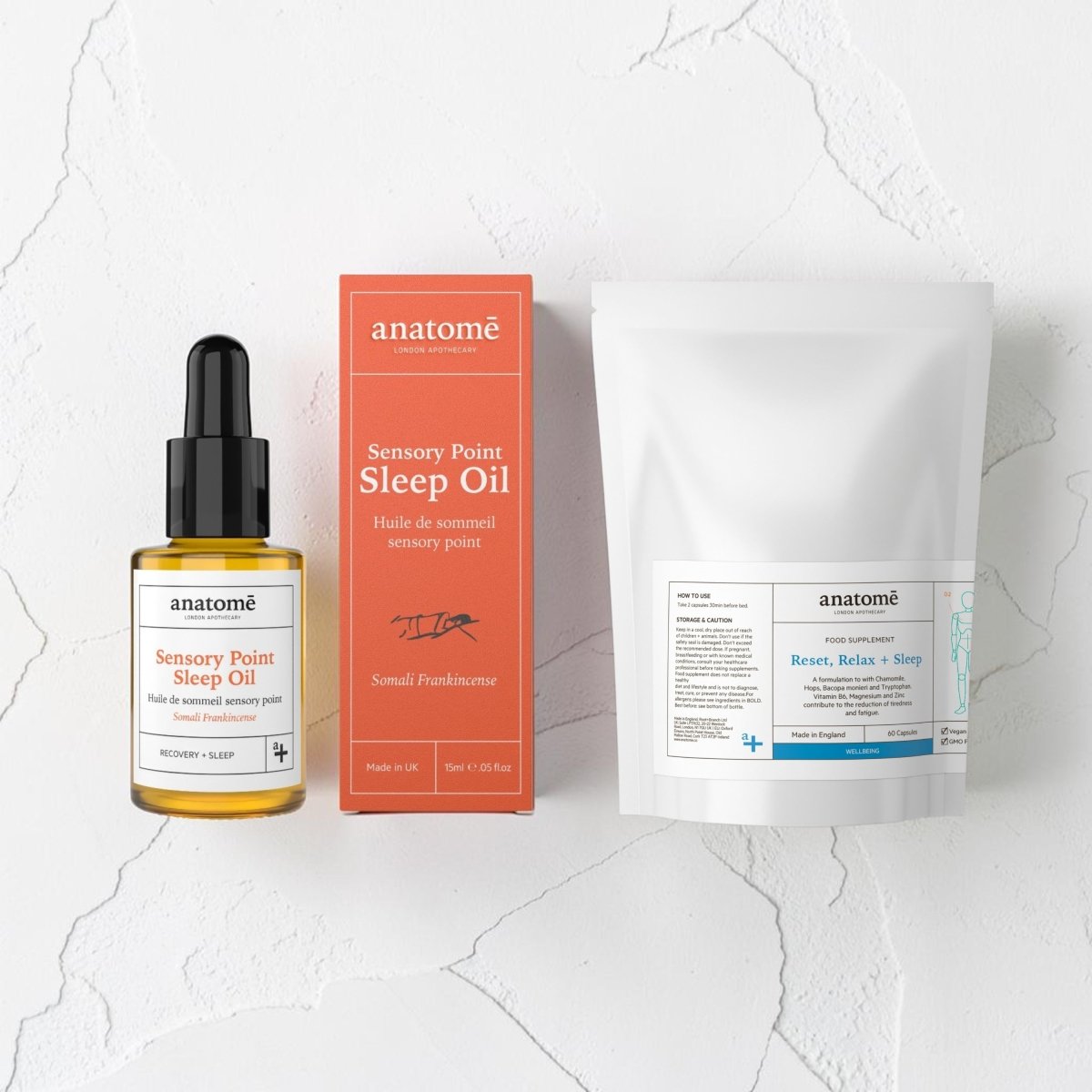
A sleep routine does not need to be elaborate. Tea, a botanical Sleep Oil, a supplement, reading or a few quiet minutes can be enough if the sequence is consistent.
5. Repeat it for seven nights
The aim is not perfection. It is observation. Notice what helps you fall asleep more easily, what interrupts your rest and how you feel the following morning.

Put the Research Into Practice
The lesson from performance research is not that we should all live like elite athletes.
It is that sleep should be treated as part of preparation, not something we leave until everything else is finished.
As September begins, that may be one of the most useful routines to reset.

Back to Work. Back to Sleep.
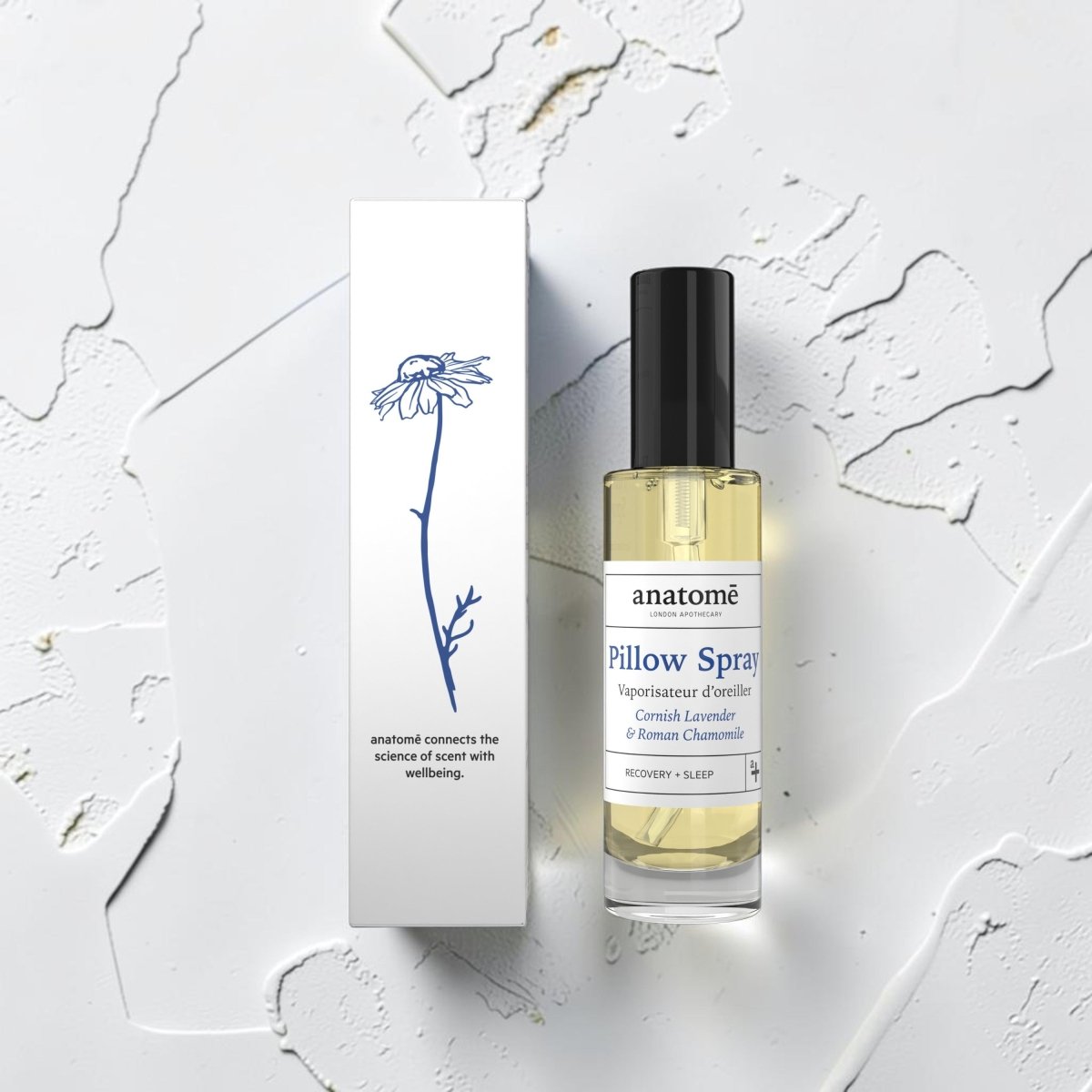
Sleep Pillow Spray | Roman Chamomile |
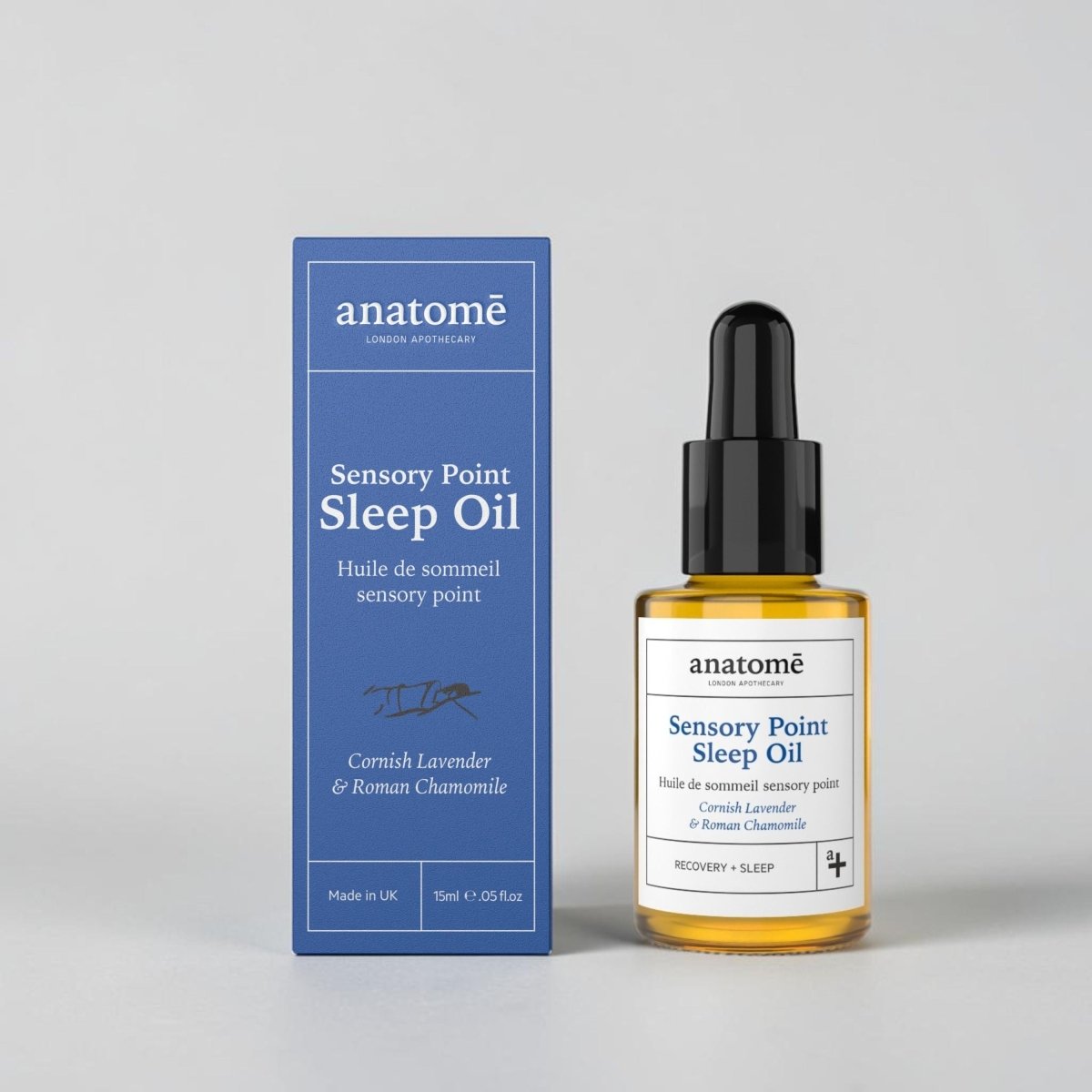
Sleep Oil for Restless Sleep | Roman Chamomile & Cornish Lavender | |
Research & Sources
Sleep extension and tennis performance
Mah CD, Mah KE, Kezirian EJ, Dement WC. The Effects of Sleep Extension on the Athletic Performance of Collegiate Tennis Players.
https://pubmed.ncbi.nlm.nih.gov/26325012/
Sleep restriction and cognitive performance
Lowe CJ, Safati A, Hall PA. The neurocognitive consequences of sleep restriction: A meta-analytic review.
https://pubmed.ncbi.nlm.nih.gov/28757454/
Sleep restriction and tennis skill performance
Study examining the effect of restricted sleep on serve and groundstroke accuracy in junior tennis players.
https://pubmed.ncbi.nlm.nih.gov/33607625/

