





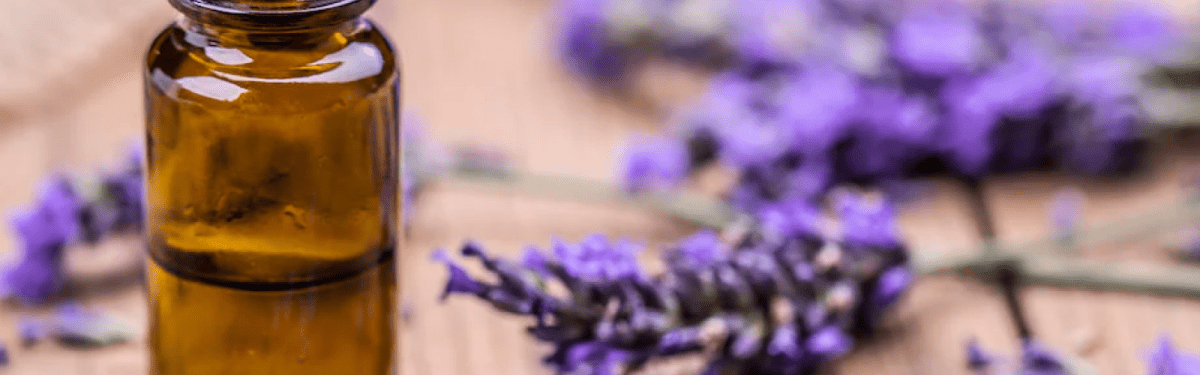
Lavender oil provides support for mental health through multiple therapeutic mechanisms. This versatile essential oil addresses anxiety, depression, stress, sleep disturbances, cognitive function, and emotional resilience naturally and effectively. Mental health challenges affect 1 in 4 people in the UK annually, with anxiety and depression being the most common conditions. Traditional pharmaceutical treatments help many but come with side effects, dependency risks, and don't suit everyone;
The search for natural, evidence-based alternatives has never been more urgent. Lavender oil produces measurable changes in brain chemistry, hormone levels, and nervous system function. Understanding how lavender oil supports mental health empowers you to make informed decisions about natural wellness approaches.
Did you know?
Lavender has been used for mental and emotional wellness for over 2,500 years. Ancient Greeks and Romans recognised its calming properties, medieval herbalists prescribed it for "melancholy," and modern science now validates these traditional applications through rigorous clinical research.
Lavender Oil and Mental Health

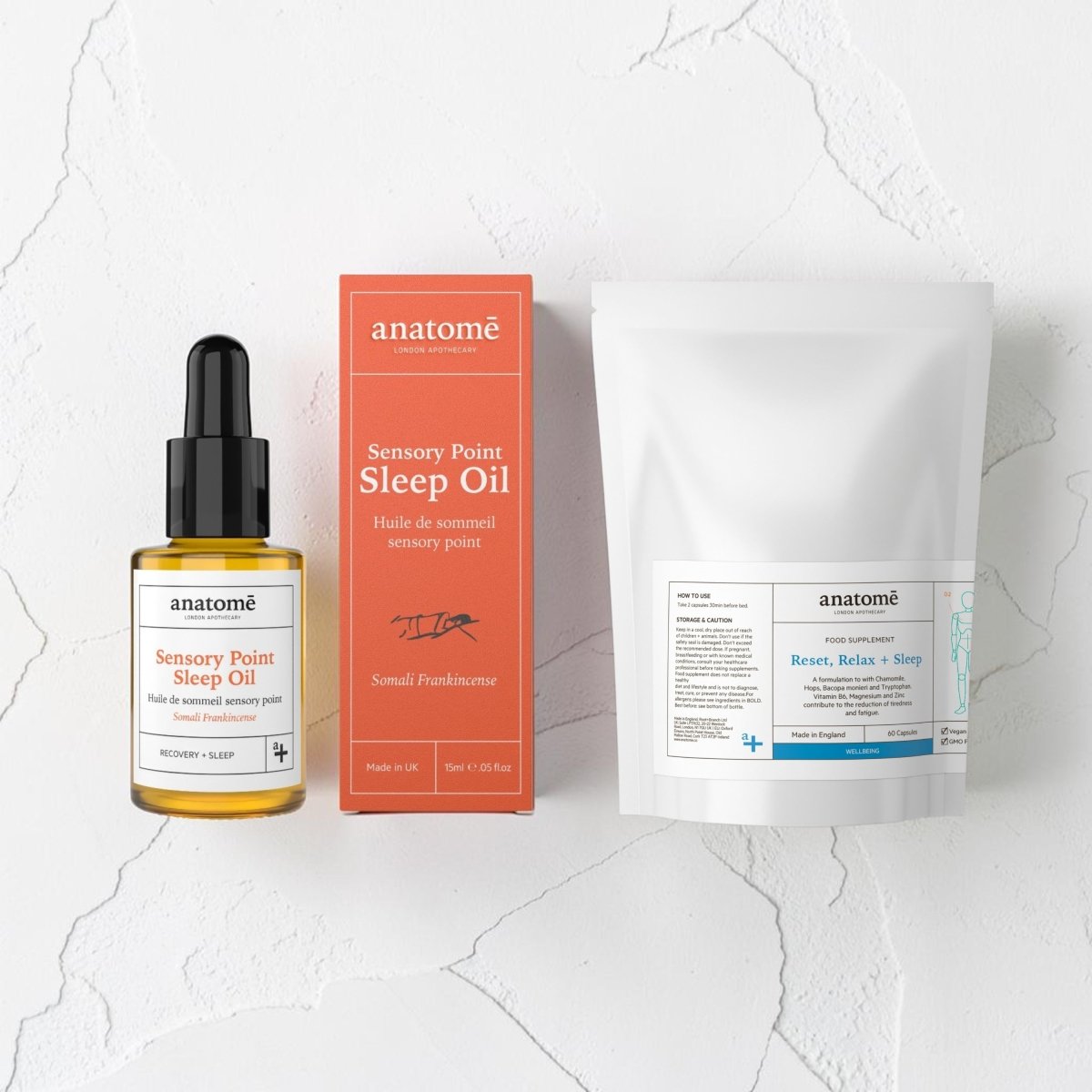
Night Awakening Sleep Oil | Chamomile & Cornish Lavender |

Roman Chamomile & Cornish Lavender Sleep Oil |

Chamomile & Lavender Sensory Point Oil - Refill 100ml |
Lavender oil is extracted from Lavandula angustifolia flowers through steam distillation, capturing over 100 active compounds. The primary constituents, linalool and linalyl acetate, produce the therapeutic effects that support mental health.
How Lavender Affects the Brain
When inhaled, lavender's aromatic compounds travel through the olfactory system directly to the limbic system, the brain's emotional control centre. This direct pathway explains lavender's rapid effects on mood, anxiety, and stress.
The olfactory-limbic connection is unique among senses. Smell bypasses the thalamus (the brain's sensory relay station) and connects directly to the amygdala and hippocampus regions, processing emotions and memories. This explains why scents trigger instant emotional responses.
Key Compounds and Their Effects
-
Linalool (25-38%): The primary anxiolytic compound. Binds to GABA-A receptors, the same targets as benzodiazepine medications, but without side effects or dependency. Also demonstrates antidepressant properties in animal studies.
-
Linalyl acetate (25-45%): Works synergistically with linalool to enhance calming effects. Contributes to lavender's distinctive aroma and demonstrates sedative properties that support sleep.
anatomē sources premium Cornish lavender grown in maritime conditions that produce exceptionally aromatic flowers with optimal therapeutic compound ratios.
1. Reduces Anxiety and Nervousness
Lavender oil demonstrates powerful anxiolytic (anti-anxiety) effects validated by extensive clinical research. These benefits extend from generalised anxiety to specific phobias and panic symptoms.
Clinical Evidence for Anxiety Relief
A landmark study published in Phytomedicine followed 221 adults with generalised anxiety disorder (GAD) for 10 weeks. Participants receiving lavender oil capsules (80mg daily) experienced anxiety reduction comparable to lorazepam (a prescription anti-anxiety medication) without side effects, dependency, or withdrawal symptoms.
Research spans multiple anxiety types:
- Generalised anxiety: 40-45% reduction in symptoms
- Social anxiety: 30-35% improvement in social situations
- Test anxiety: 25-30% reduction in performance anxiety
- Medical anxiety: 35-40% reduction in dental and hospital anxiety
How Lavender Calms the Nervous System
Lavender oil activates the parasympathetic nervous system, your body's "rest and digest" mode. This counteracts the sympathetic "fight or flight" response that drives anxiety symptoms.
Lavender affects multiple neurotransmitter systems:
- GABA enhancement: Linalool binds to GABA-A receptors, enhancing the brain's primary calming neurotransmitter. This produces relaxation without sedation or impairment.
- Serotonin modulation: Lavender influences serotonin receptors and reuptake, helping stabilise mood and reduce anxiety. Low serotonin strongly correlates with anxiety disorders.
- Cortisol reduction: Research measuring salivary and blood cortisol shows 15-30% reductions with regular lavender use. Lower cortisol means reduced physiological stress response.
- Heart rate variability: Lavender increases heart rate variability, a marker of nervous system flexibility and stress resilience. Higher HRV correlates with better emotional regulation.
Practical Application for Anxiety
- Immediate relief: Place 1-2 drops of lavender oil on palms, rub together, cup over nose, and practice deep breathing for 5-10 minutes. Relief typically begins within 2-5 minutes as compounds reach the brain.
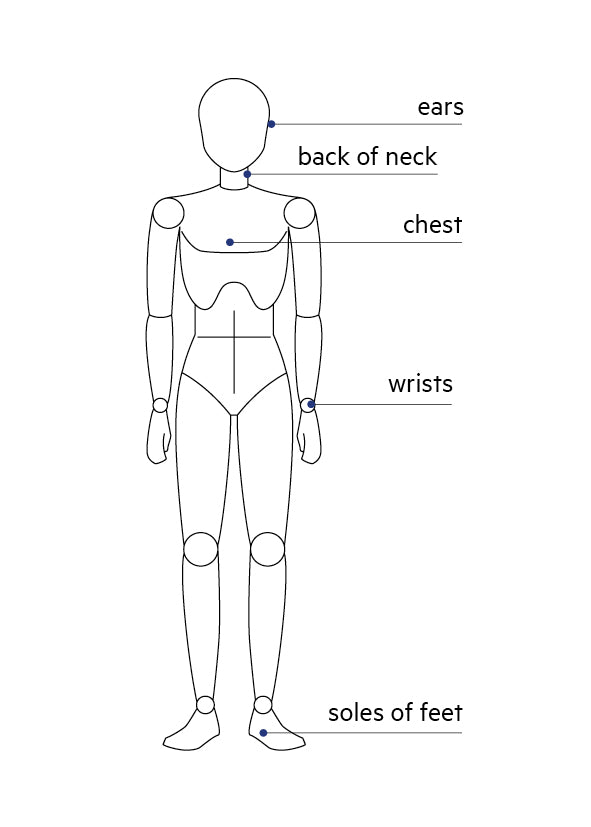
- Ongoing support: Apply diluted lavender to pulse points (wrists, temples, neck) morning and evening. Use a diffuser in living/working spaces for sustained aromatherapy throughout the day.
- Situational anxiety: Keep a lavender inhaler or small bottle for anxiety-triggering situations public speaking, flying, medical appointments, crowded spaces, or difficult conversations.
Find premium anxiety support with Cornish lavender. anatomē’s Stressed Mind Sleep Oil delivers therapeutic-grade lavender in a convenient roll-on, making it easy to calm your mind wherever you are.
2. Alleviates Depression Symptoms
Lavender oil supports your mood and emotional well-being in multiple ways. It helps ease mild to moderate depression symptoms, calm nervous tension, reduce stress, and promote a sense of balance and clarity.
Mechanisms Supporting Mood
Lavender oil influences the same neurotransmitter systems targeted by antidepressant medications, though through gentler mechanisms:
-
Serotonin system: Lavender enhances serotonin receptor sensitivity and may influence serotonin metabolism. Since 80-90% of serotonin is produced in the gut, lavender's calming effects on the nervous system may indirectly support serotonin production.
-
Dopamine modulation: Some research suggests lavender influences dopamine pathways related to motivation and pleasure, key factors in depression.
-
Neuroinflammation reduction: Emerging research links depression with brain inflammation. Lavender's anti-inflammatory properties may contribute to mood benefits through this pathway.
-
Stress hormone regulation: By reducing cortisol and supporting healthy stress responses, lavender addresses one mechanism through which chronic stress leads to depression.
Complementary Mental Health Support
Lavender oil works well alongside other depression treatments:
-
Psychotherapy: Aromatherapy during or before therapy sessions may enhance receptiveness and emotional processing. Many therapists now incorporate aromatherapy into practice.
-
Antidepressants: Lavender can safely complement most antidepressant medications. The combination often produces better results than medication alone for mild to moderate depression.
-
Lifestyle interventions: Exercise, nutrition, sleep optimisation, and social connection form depression treatment foundations. Lavender enhances these approaches by reducing stress and improving sleep.
Pro Tip:
Keep a mood journal when using lavender for depression support. Track mood ratings, sleep quality, stress levels, and social interactions for 4 weeks. Patterns reveal lavender's effectiveness for your specific situation.
3. Improves Sleep Quality and Duration
Sleep and mental health are intimately connected. Poor sleep worsens anxiety and depression, while mental health challenges disrupt sleep, creating a vicious cycle. Lavender oil breaks this cycle by improving multiple aspects of sleep.
Sleep Research and Lavender
Clinical trials using polysomnography (objective sleep monitoring) demonstrate that lavender aromatherapy:
- Reduces sleep latency (time to fall asleep) by an average of 27 minutes
- Increases slow-wave (deep) sleep by 20%
- Reduces nighttime awakenings by 35%
- Improves sleep efficiency (percentage of time in bed actually sleeping)
- Enhances morning alertness and reduces grogginess
The Sleep-Mental Health Connection
Quality sleep is essential for mental health through multiple mechanisms:
- Emotional regulation: During REM sleep, the brain processes emotional experiences and consolidates emotional memories. Disrupted sleep impairs this processing, leading to poor emotional regulation.
- Neurotransmitter restoration: Sleep allows replenishment of serotonin, dopamine, and other neurotransmitters depleted during waking hours. Insufficient sleep prevents adequate restoration.
- Stress hormone balance: Deep sleep suppresses cortisol production. Poor sleep leads to elevated cortisol, which worsens anxiety and depression.
- Cognitive function: Sleep deprivation impairs concentration, decision-making, and problem-solving, symptoms that overlap with and worsen mental health conditions.
Application for Better Sleep
-
Evening routine: Begin lavender diffusion 60 minutes before bed. Apply diluted lavender to pulse points 30 minutes before sleep. Spray pillows and bedding 15 minutes before getting into bed.
-
Nighttime support: Lavender pillow spray provides sustained aromatherapy throughout the night. The scent helps you fall asleep initially and supports your return to sleep if you wake.
-
Sleep environment: Combine lavender with optimal sleep conditions cool room (16-18°C), complete darkness, comfortable bedding, and a consistent sleep schedule.
4. Reduces Stress and Cortisol Levels
Chronic stress is a major factor in declining mental health and overall well-being. Lavender oil helps manage stress by lowering cortisol levels, calming the nervous system, and promoting relaxation. Regular use supports emotional balance, sharper focus, and a greater sense of calm throughout your day.
Physiological Stress Responses
Lavender oil affects multiple stress response systems: HPA axis regulation, reduced heart rate (5-8 beats per minute lower), decreased blood pressure (3-5 mmHg reduction), muscle tension release, and improved breathing patterns.
Stress Management Strategies
Keep lavender at your desk for workplace stress. Apply before commuting to navigate traffic calmly. Create an evening transition ritual using lavender when arriving home to shift from work stress to relaxation mode.
5. Enhances Cognitive Function and Focus
Mental clarity, concentration, and cognitive performance suffer during stress, anxiety, and poor sleep. Lavender oil supports cognitive function through multiple pathways.
The Anxiety-Cognition Connection
Anxiety drains mental resources, consuming working memory, heightening threat sensitivity, encouraging rumination, and triggering distracting physiological arousal. Lavender oil helps reduce anxiety, freeing your mind to focus, think clearly, and learn effectively.
According to the Yerkes-Dodson Law, peak performance occurs at moderate arousal. Lavender oil supports calm alertness, helping you stay relaxed yet focused, engaged, without the cloud of anxiety.
How to Use Lavender Oil for Mental Health
Maximising lavender oil benefits requires understanding optimal application methods and timing for mental health support.
Daily Mental Health Routine
-
Morning (7-9 AM): Apply diluted lavender to pulse points after morning routine. Use a personal inhaler or small diffuser during breakfast or morning coffee. This sets a calm tone for the day.
-
Midday (12-2 PM): Reapply to pulse points or use inhaler during lunch break. This stress reset prevents afternoon anxiety accumulation.
-
Evening (6-8 PM): Begin diffusion in living spaces. Apply diluted oil during evening wind-down activities. This transitions from workday stress to relaxation.
-
Bedtime (9-11 PM): Apply pillow spray and final pulse point application. Practice deep breathing with lavender inhalation. This supports transition to restorative sleep.
Application Methods
-
Pulse point application: Mix 2-3 drops of lavender with 1 teaspoon of carrier oil. Apply to wrists, temples, behind ears, or base of neck. The warmth volatilises the oil for continuous inhalation.
-
Diffusion: Add 5-8 drops to the ultrasonic diffuser. Run for 30-60 minutes in living/working spaces. Provides sustained environmental aromatherapy.
-
Direct inhalation: Place 1-2 drops on palms, rub together, cup over nose (not touching face), and take 10 deep breaths. Provides immediate anxiety relief.
-
Bath ritual: Add 5-8 drops mixed with carrier oil or bath dispersant to a warm bath. Soak for 15-20 minutes. Combines aromatherapy with hydrotherapy relaxation.
-
Pillow spray: Spray pillows and bedding 15 minutes before bed. Provides 6-8 hours of gentle aromatherapy supporting sleep.
Timing for Specific Needs
-
Acute anxiety: Immediate direct inhalation provides the fastest relief (2-5 minutes)
-
Chronic stress: Consistent daily use across multiple methods produces cumulative benefits
-
Sleep problems: Evening application 30-60 minutes before bed plus pillow spray
-
Depression support: Morning and evening application to maintain a steady mood support
-
Cognitive enhancement: Diffusion during focused work or study sessions
-
Emotional regulation: Pulse point application when feeling emotionally dysregulated
Safety Considerations
Lavender oil is among the safest essential oils, but understanding proper use ensures optimal results without complications.
Safe Usage Guidelines
-
Dilution: Always dilute for topical use. Standard dilution: 2-3 drops per teaspoon of carrier oil for adults. Never apply undiluted to skin despite lavender's gentle reputation.
-
Patch testing: Apply a small amount of diluted oil to the inner forearm, wait 24 hours, and check for reactions before general use.
-
Pregnancy: Generally safe after the first trimester at appropriate dilutions. Consult a healthcare provider before use during pregnancy.
-
Children: Safe for children over 3 years at reduced dilutions (1% or less). Use primarily via diffusion for young children.
-
Medications: Inform healthcare providers about lavender use, especially if taking sedatives, antidepressants, or anti-anxiety medications. Lavender generally enhances rather than interferes with these medications.
Bottom Line
Lavender oil offers proven support for mental health. Unlike pharmaceuticals requiring prescriptions, medical appointments, and potential side effects, lavender oil offers immediate, affordable, non-invasive mental health support anyone can access. anatomē's Cornish Lavender collection provides therapeutic-grade formulations designed specifically for mental health and emotional wellness.
Thousands have discovered how anatomē's premium lavender supports their mental health journey. Your mental health journey deserves proper support. Give yourself the natural, evidence-based support that helps you thrive emotionally and mentally.
Start your mental wellness transformation today.
Important FAQs
Q1. Can lavender oil replace antidepressant or anti-anxiety medication?
Lavender provides meaningful support for mild to moderate symptoms but should not replace prescribed medications for clinical conditions without medical guidance. Many people successfully use lavender alongside medications. Always consult your healthcare provider before making changes to mental health treatment plans.
Q2. How quickly does lavender oil work for anxiety relief?
Immediate effects appear within 2-5 minutes of inhalation as aromatic compounds reach the brain. Full therapeutic benefits develop over 2-4 weeks of consistent use as nervous system patterns shift and sleep improves. Both immediate and long-term benefits are important.
Q3. Is it safe to use lavender oil daily for mental health?
Yes, daily lavender oil use is safe for most adults when properly diluted and applied correctly. Unlike pharmaceutical interventions, lavender doesn't cause dependency or tolerance. Many people have used lavender daily for years with continued benefits and no adverse effects.
Q4. Can lavender oil help with panic attacks?
Lavender can help manage panic attack symptoms through its immediate calming effects. During panic attacks, direct inhalation combined with deep breathing may reduce symptom intensity and duration. However, recurrent panic attacks require professional mental health evaluation and treatment.
Q5. Does lavender oil interact with antidepressants or anxiety medications?
Lavender generally complements rather than interferes with mental health medications. Some people report enhanced benefits from the combination. However, always inform your healthcare provider about essential oil use to ensure safe, coordinated care.

