






Essential oil diffusers transform ordinary rooms into calming, restorative spaces with just a few drops of natural oils. Beyond filling the air with pleasant scents, they can support relaxation, focus, and overall wellness. Knowing how to set up, operate, and maintain your diffuser properly ensures you get the most from your aromatherapy experience while keeping your device working efficiently for years to come.
What Is an Essential Oil Diffuser?
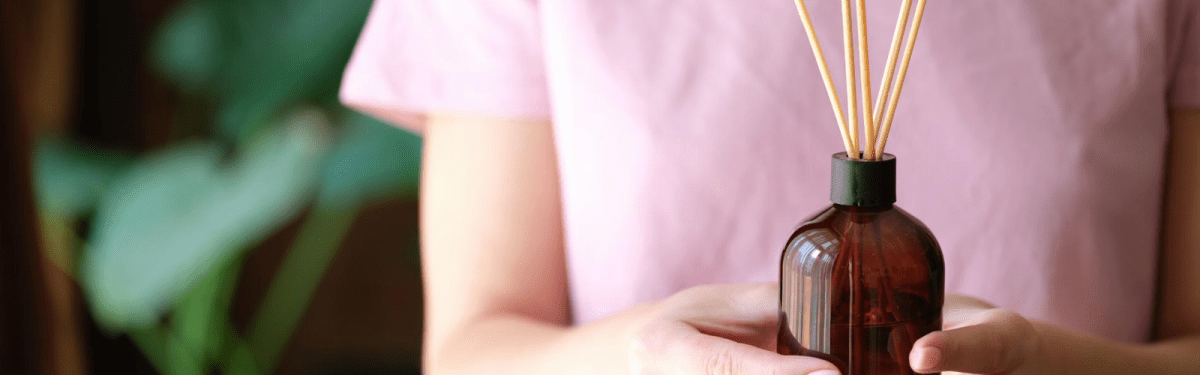
An essential oil diffuser is a device that disperses aromatic essential oils into the air, creating a pleasant fragrance while potentially offering therapeutic benefits. The device breaks down oil particles and releases them as a fine mist or vapour throughout your space.
Most diffusers work by combining essential oils with water or heat, then dispersing the mixture into the air. This allows you to enjoy the natural scents and potential wellness benefits of oils like lavender, peppermint, or eucalyptus without burning candles or using chemical air fresheners.

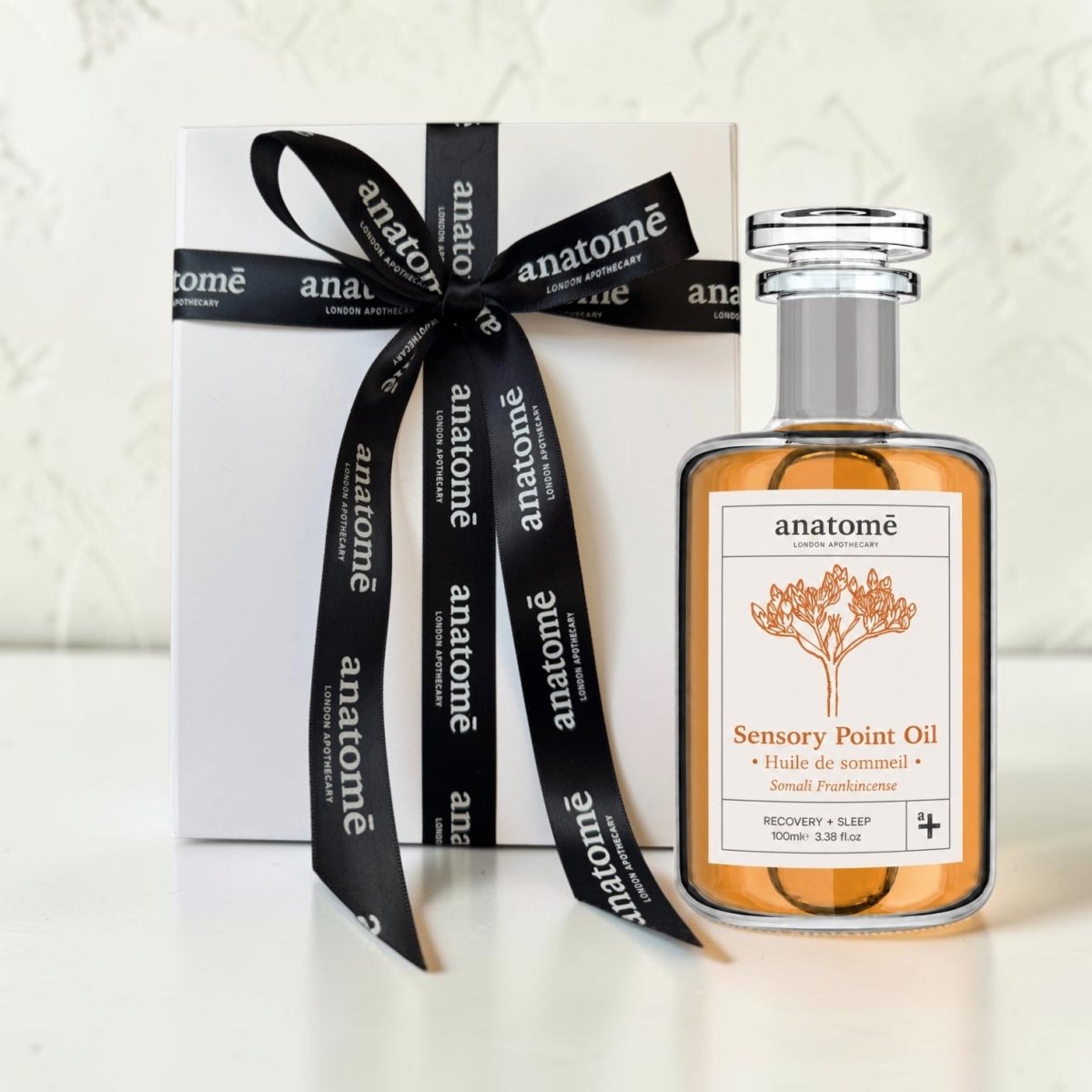
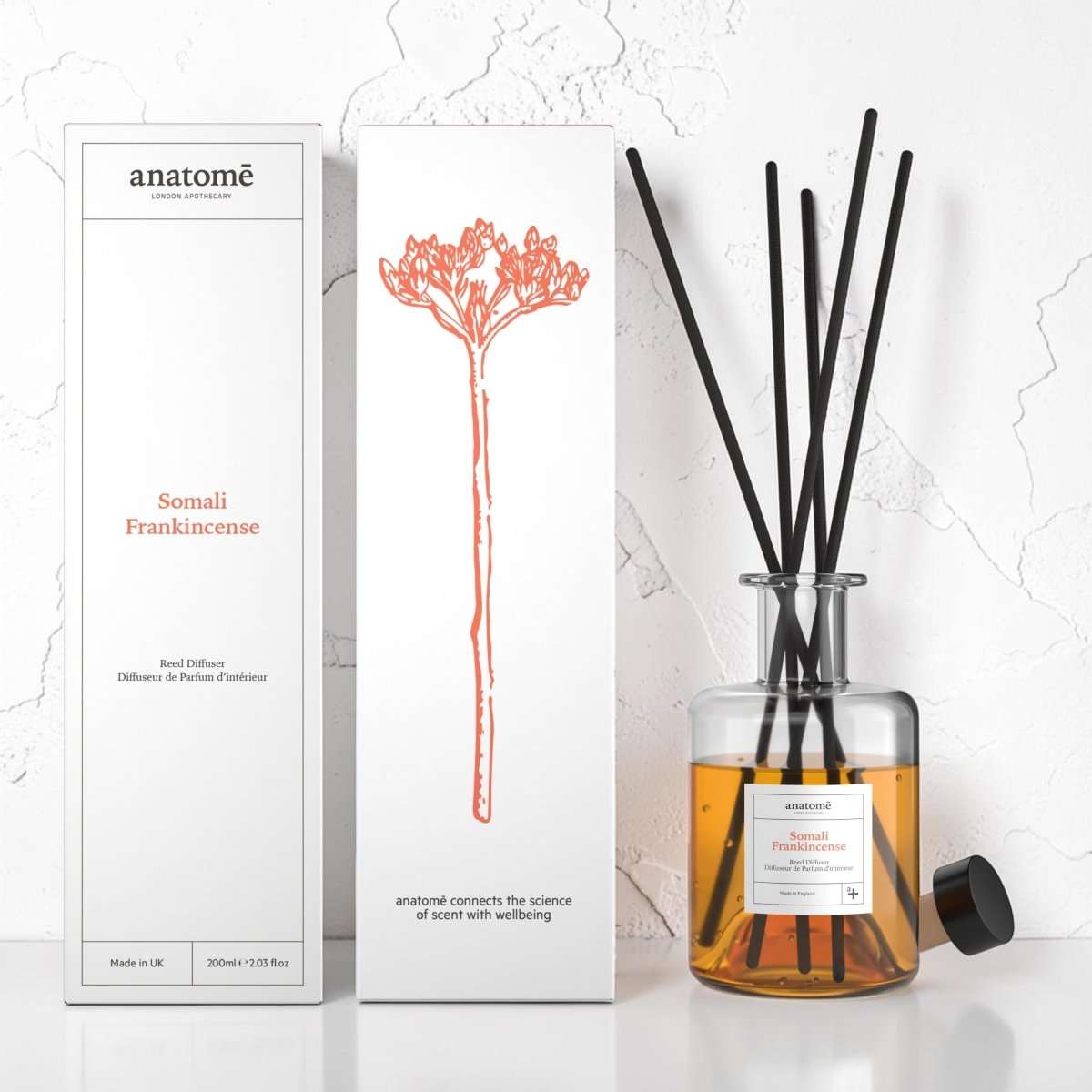
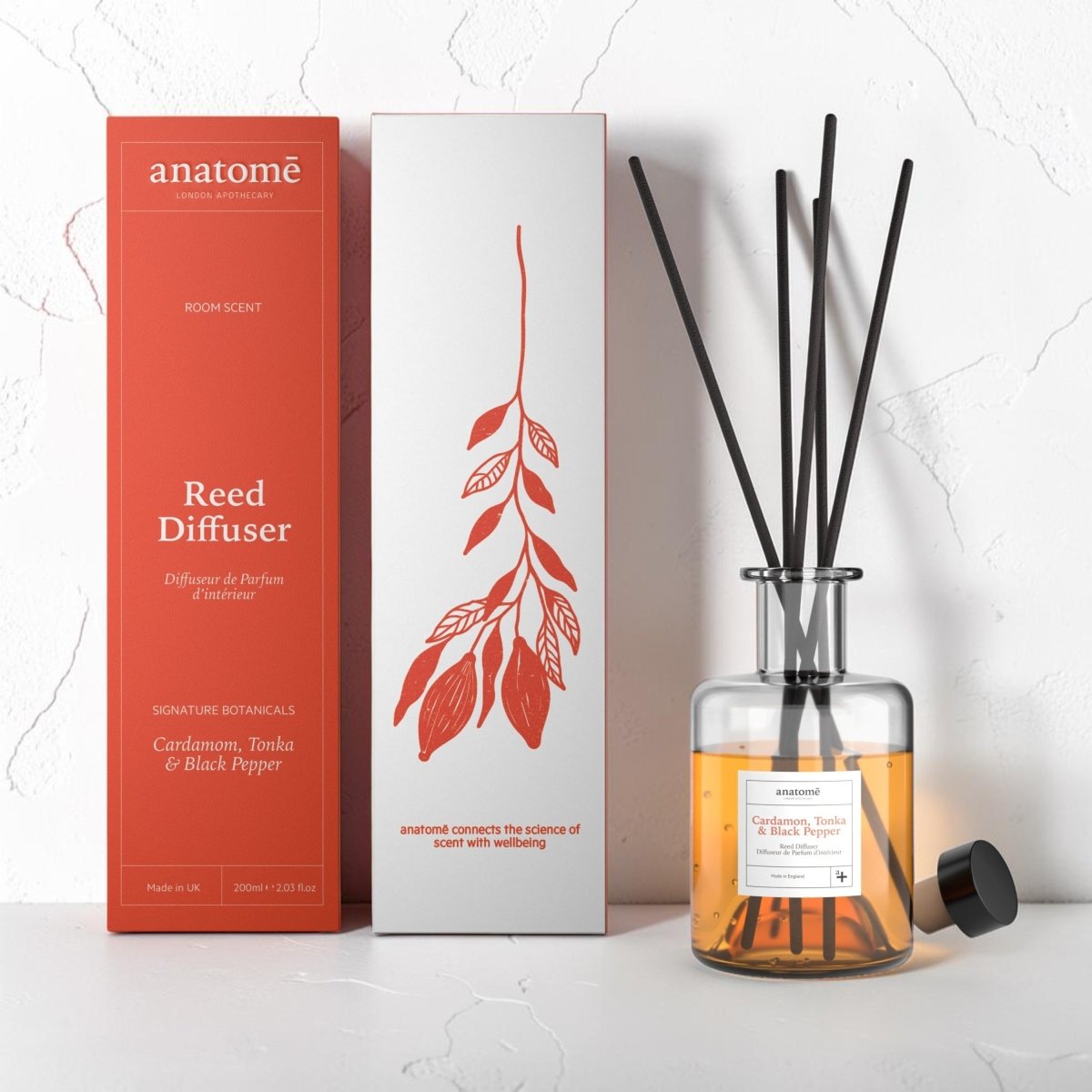
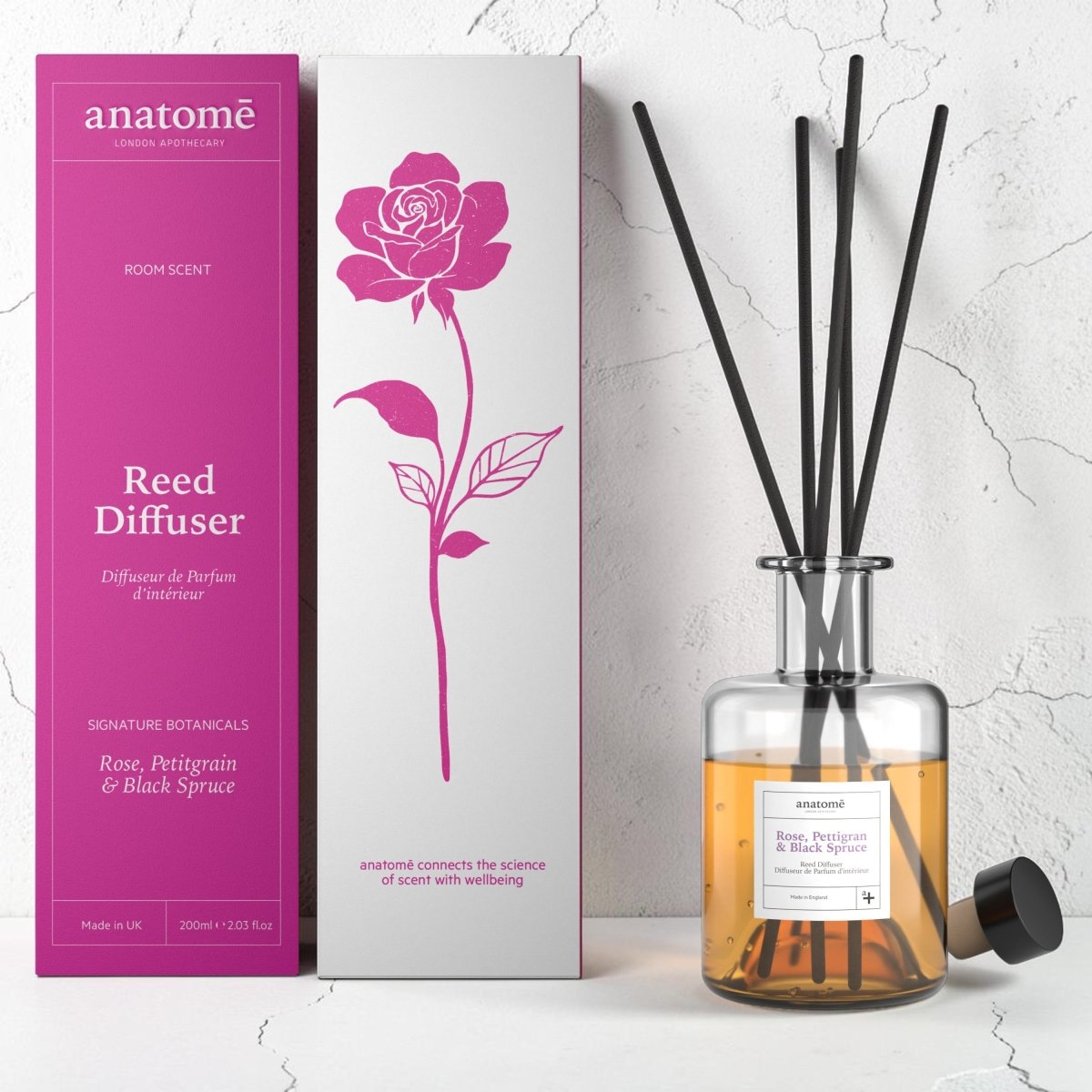
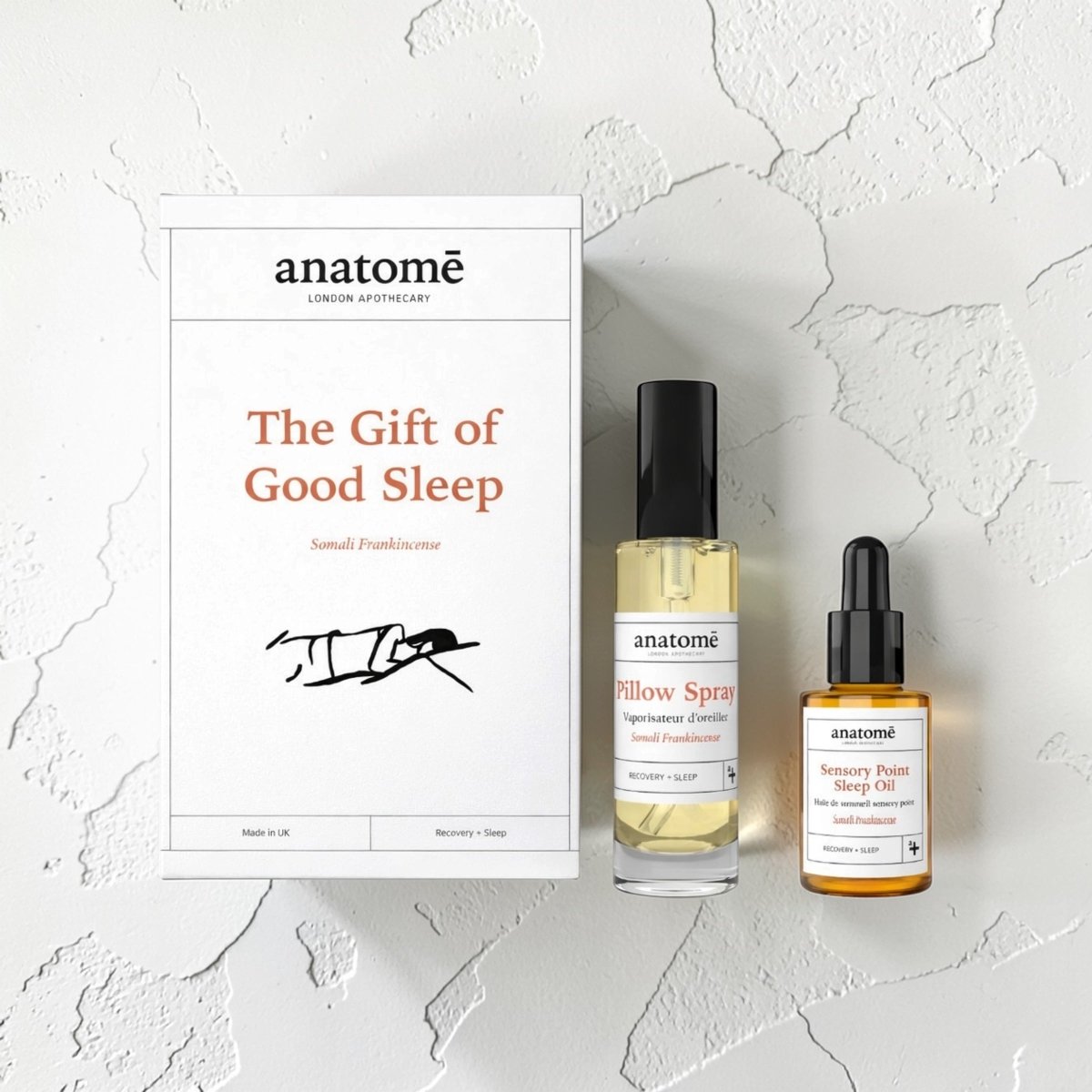
Somali Frankincense Essential Oil Reed Diffuser |

Vetiver, Thyme & Sage Essential Oil Room Diffuser |

Neroli, Orange Blossom & Tobacco Diffuser |
Main Diffuser Types
Different diffuser types suit different needs and preferences. Understanding each type helps you choose the right one and use it effectively. Knowing the differences ensures you invest in a device that matches your lifestyle and space requirements.
1. Ultrasonic Diffusers
Ultrasonic diffusers use electronic frequencies to create vibrations in water, producing a cool mist that carries essential oil particles into the air. These are the most popular types because they:
- Add humidity to dry rooms
- Run quietly during operation
- Offer timer and light settings
- Works well in medium to large spaces
2. Nebulising Diffusers
Nebulising diffusers use pressurised air to break essential oils into tiny particles without water or heat. They deliver the strongest aromatherapy experience by:
-
Providing concentrated oil diffusion
-
Preserving oil therapeutic properties
-
Working best in smaller spaces
-
Using oils more quickly than other types
3. Heat Diffusers
Heat diffusers warm essential oils to release their fragrance into the air. These simple devices include:
- Candle-powered diffusers with ceramic dishes
- Electric heat plates that warm oil gently
- Lower cost options for casual users
- Potential to alter oil chemical composition
4. Evaporative Diffusers
Evaporative diffusers use a fan to blow air through a pad or filter containing essential oils. The airflow helps oils evaporate naturally by:
- Offering portable, battery-operated options
- Working well for personal spaces
- Diffusing lighter oil molecules first
- Providing a quieter operation than fans suggest
Why Diffuse Essential Oils?
Diffusing essential oils creates a pleasant atmosphere while potentially supporting your wellness routine. Research published in the National Library of Medicine found that aromatherapy improves sleep quality and reduces stress, pain, anxiety, depression, and fatigue in adults and elderly individuals. The practice offers both sensory enjoyment and possible therapeutic benefits that enhance daily living.
Beyond potential therapeutic benefits, diffusers offer practical advantages:
- Replace synthetic air fresheners with natural scents
- Eliminate cooking odours and pet smells
- Create a consistent fragrance without open flames
- Customise your environment based on mood or time of day
Many people use diffusers as part of their daily rituals, energising citrus oils in the morning, calming lavender at bedtime, or refreshing peppermint during work hours. The flexibility allows you to adjust your space to match your needs.
How to Set Up Your Diffuser?
Setting up your diffuser correctly ensures optimal performance and safety from the first use. Proper placement, water levels, and oil amounts make the difference between disappointing results and transformative aromatherapy. Taking a few minutes to set up properly saves troubleshooting time later.
-
Placement and Safety Guidelines
Place your diffuser on a flat, stable surface away from electronics and valuable items. Water-based diffusers can create moisture, so avoid placing them near computers, books, or wooden furniture that might absorb humidity. Choosing the right location protects your belongings while maximising fragrance distribution.
Safe placement locations:
- Coffee tables with protective coasters underneath
- Nightstands away from charging devices
- Kitchen counters away from food prep areas
- Bathroom vanities for spa-like experiences
Keep diffusers out of reach of children and pets. Position them where they won't get knocked over during daily activities. Maintain at least 2 feet of clearance around the diffuser for proper air circulation.
Avoid direct sunlight, which can heat the water and degrade essential oils. Keep away from air vents that might blow the mist in unintended directions. Never place diffusers on unstable surfaces like wobbly tables or shelf edges.
-
Filling the Diffuser With Water
Open your diffuser according to the manufacturer's instructions; most ultrasonic models have a removable top or cover. Fill the water tank to the indicated line using room temperature water. Taking care not to overfill prevents leaks and ensures your diffuser operates correctly.
Most diffusers have a maximum fill line marked inside the reservoir. Overfilling can cause:
- Water leaking from the base
- Reduced mist output
- Potential electrical issues
- Shorter runtime than expected
Stop filling when water reaches the max line, typically 100 to 500 millilitres, depending on your model. Smaller personal diffusers hold less water and run for 3 to 4 hours, while larger models can operate for 8 to 10 hours.
Wipe any water droplets from the outer surfaces before closing the lid. Ensure the cover seals properly to prevent mist from escaping through gaps.
-
Adding Essential Oils (Amount and Blending Tips)
Add 3 to 5 drops of essential oil per 100 millilitres of water after filling your diffuser. This ratio provides noticeable fragrance without overwhelming your space or wasting expensive oils. Starting with the right amount prevents common mistakes like overpowering scents or insufficient aroma.
Start with fewer drops if you're:
- New to essential oils or aromatherapy
- Sensitive to strong scents
- Diffusing in a small room under 200 square feet
- Using particularly potent oils like peppermint or eucalyptus
For larger spaces or when you want a stronger fragrance, gradually increase to 8 to 10 drops. Some people use up to 15 drops in 500 millilitre diffusers for open concept living areas.
-
Blending Tips for Custom Scents
Combine 2 to 3 complementary oils rather than using single notes. Popular combinations include lavender with bergamot for relaxation, lemon with rosemary for focus, and eucalyptus with tea tree for respiratory support.
Add oils one at a time, testing each blend before committing to large quantities. Write down successful combinations for future use. Remember that certain oils dominate blends; strong scents like peppermint need just 1 to 2 drops compared to 4 to 5 drops of gentler oils.
Want to elevate your wellness routine with premium essential oils?
Anatomē offers expertly crafted essential oil blends designed for modern living, from sleep support to mental clarity. Each formula combines therapeutic-grade oils in balanced ratios, taking the guesswork out of blending.
How to Operate Your Diffuser?
Operating your diffuser involves more than just pressing the power button. Understanding timer settings, choosing appropriate oils, and following best practices helps you create the perfect aromatherapy experience. Smart operation extends your device's lifespan.
Setting Timer, Mist, and Light Options
Most modern diffusers offer timer settings ranging from 1 to 6 hours, plus a continuous mode that runs until the water empties. Start with 30 to 60 minute intervals to gauge how your space responds to the fragrance. Experimenting with different settings helps you find your ideal diffusing duration.
Common timer options include:
- 1 hour setting for quick fragrance boosts
- 3-hour setting for evening relaxation
- 6-hour setting for overnight use
- Intermittent mode, 30 seconds on and 30 seconds off, to extend runtime
Mist intensity controls adjust how much vapour the diffuser releases. High mist settings fill rooms faster but use more water and oil. Low settings provide subtle, long-lasting fragrance while conserving resources.
Many diffusers include LED lights that cycle through colours or remain on a single hue. Use these features to:
- Create ambient lighting during movie nights
- Provide soft nightlights in children's rooms
- Enhance meditation or yoga practices
- Turn off completely if light disrupts sleep
Choosing the Right Oils for Your Needs
Different essential oils support different goals throughout your day. Matching oils to your activities enhances their potential benefits. Selecting intentionally transforms random diffusing into purposeful aromatherapy that supports your daily rhythm.
For relaxation and stress relief:
- Lavender reduces tension and promotes calmness
- Chamomile soothes anxious feelings
- Ylang ylang encourages peaceful emotions
- Bergamot balances mood while easing stress
For focus and mental clarity:
- Peppermint stimulates alertness and concentration
- Rosemary enhances memory and cognitive function
- Lemon improves mood while sharpening focus
- Eucalyptus clears mental fog and supports breathing
For mood enhancement:
- Sweet orange lifts spirits with cheerful citrus notes
- Grapefruit energises and combats fatigue
- Jasmine promotes confidence and positive feelings
- Frankincense grounds emotions while encouraging peace
Experiment with single oils before creating complex blends. Track which scents make you feel most comfortable, energised, or relaxed. Your personal response matters more than general recommendations.
Best Practices for Diffusing (Duration, Room Size, Frequency)
Diffuse essential oils for 30 to 60 minutes at a time, then take a break. Your nose adapts to scents quickly, making continuous diffusion less effective and potentially wasteful. Following proper diffusing schedules maximises benefits while conserving your essential oil supply.
Recommended diffusing schedule:
- Diffuse for 30 minutes, then pause for 30 minutes
- Run for 1 hour in the morning and 1 hour before bed
- Use intermittent mode for a subtle fragrance all day
- Limit total daily diffusing to 3 to 4 hours
Room size determines how much oil you need and how long to diffuse. Calculate your space in square feet to optimise performance:
- Small rooms, 100 to 200 square feet: 3 to 5 drops, 30 minutes
- Medium rooms, 200 to 400 square feet: 5 to 8 drops, 60 minutes
- Large rooms, 400 plus square feet: 8 to 12 drops, 90 minutes
Open doors and windows periodically when diffusing to maintain fresh air circulation. Stagnant air concentrates oil particles, which can become overwhelming or irritating. Proper ventilation ensures everyone in your household stays comfortable.
Rotate between different essential oils rather than using the same scent daily. This prevents scent fatigue and allows you to benefit from various oil properties. Keep 3 to 5 different oils on hand for versatility.
Cleaning and Maintenance Tips for the Diffuser
Regular cleaning keeps your diffuser performing at its best while preventing buildup that affects mist quality. Neglecting maintenance leads to reduced performance, unpleasant odours, and shortened device lifespan. Investing just a few minutes in cleaning pays off with years of reliable use.
Routine Cleaning Steps
Clean your diffuser after every 5 to 6 uses to prevent oil buildup and maintain optimal performance. Regular maintenance takes just 5 minutes and extends your device's lifespan. Making cleaning a habit prevents stubborn residue that requires intensive scrubbing later.
Quick daily cleaning process:
- Unplug the diffuser and empty the remaining water
- Wipe the inside of the water tank with a soft cloth
- Use a cotton swab to clean around the ultrasonic plate
- Rinse with clean water and dry with a microfiber cloth
- Leave the lid open to air dry completely before next use
Never use harsh soaps or detergents that leave residue. Stick to plain water for routine cleaning unless you notice stubborn buildup. Residue from cleaning products can mix with essential oils and create unpleasant scents.
Deep Cleaning for Optimal Performance
Perform a deep clean once a month to remove mineral deposits, oil residue, and potential bacterial growth. This thorough process restores your diffuser to like-new performance. Deep cleaning addresses issues that routine maintenance cannot fully eliminate.
Deep cleaning steps:
- Fill the water tank halfway with clean water
- Add 1 tablespoon of white vinegar to the water
- Run the diffuser for 10 to 15 minutes to circulate the solution
- Turn off and unplug, then let it sit for 30 minutes
- Empty the vinegar solution and scrub gently with a soft brush
- Rinse thoroughly 3 to 4 times with clean water
- Dry completely before storing or using again
For stubborn residue, create a paste using baking soda and water. Apply to affected areas, let sit for 15 minutes, then scrub gently with a soft-bristle toothbrush. Rinse thoroughly to remove all traces of baking soda.
Clean the exterior housing with a slightly damp cloth to remove dust and fingerprints. Avoid getting water in any electronic components or charging ports. Dry immediately with a soft towel.
Preventing and Fixing Common Issues
Common diffuser problems usually stem from inadequate cleaning or improper storage. Addressing issues promptly prevents permanent damage and maintains air quality. Understanding what causes problems helps you avoid them entirely.
Oil Residue Buildup:
Oil residue buildup appears as a cloudy film or sticky coating inside the tank. This happens when oils aren't fully dispersed or when diffusers sit unused for extended periods. Prevent buildup by:
- Emptying leftover water after each use
- Wiping the tank dry before refilling
- Using carrier oils sparingly, as they're thicker than essential oils
- Cleaning regularly as described above
Persistent Odours:
These odours occur when different oils mix or when water sits stagnant for too long. Fix odour problems by:
- Running a vinegar solution cycle as described in deep cleaning
- Diffusing lemon essential oil for 30 minutes to neutralise smells
- Leaving the tank open to air out for 24 hours
- Replace water more frequently during use
Mould Growth:
Mould growth appears as black or green spots, usually from moisture exposure in humid environments. Prevent mould by:
- Drying the diffuser completely after every use
- Store with the lid off to allow air circulation
- Avoid tap water in humid climates; use distilled water instead
- Placing diffusers in well-ventilated areas
If you discover mould, discard the diffuser if it's extensively contaminated. For minor mould spots, deep clean with a vinegar solution twice, then sanitise with rubbing alcohol. Dry completely before testing again.
Safety Tips and Warnings
Essential oils are natural but powerful, so using them safely matters for everyone in your home. Proper dilution and awareness of individual sensitivities prevent unwanted reactions. These simple precautions let you enjoy aromatherapy benefits worry-free.
Proper Dilution and Ventilation
Always dilute essential oils in water before diffusing. Stick to 3 to 5 drops per 100 millilitres of water to avoid overwhelming your space. Using more than 10 to 15 drops can cause:
- Headaches from overpowering scents
- Nausea or dizziness
- Respiratory discomfort
- Potential allergic reactions
Keep air flowing while diffusing by:
- Opening windows slightly for fresh air circulation
- Avoiding sealed rooms without airflow
- Positioning diffusers away from faces and breathing zones
- Taking breaks every 60 minutes to let your space air out
Limit total diffusing time to 3 to 4 hours per day so your respiratory system gets adequate rest.
Oil Safety for Children, Pets, and Sensitive Groups
Never diffuse around babies under 2 years old. For children ages 2 to 6, use half the normal amount, just 1 to 2 drops per 100 millilitres, and stick to gentle oils like lavender and chamomile. Avoid diffusing in closed bedrooms where kids sleep.
Pregnant or nursing individuals should check with their healthcare provider before diffusing. While oils like lavender and chamomile are generally considered safe, getting professional guidance is wise.
Pet safety considerations:
Dogs handle most diluted oils well, but avoid tea tree, wintergreen, and strong citrus around them. Cats process oils differently and may struggle with even diluted amounts, so use extra caution. Birds should never be exposed to diffused oils due to their sensitive respiratory systems.
If you have pets:
- Diffuse in rooms, and pets can leave freely
- Watch for signs of distress such as excessive grooming, drooling, or difficulty breathing
- Use lower oil concentrations
- Stop diffusing immediately if pets show discomfort
People with asthma or allergies should start with just 1 to 2 drops and monitor how they feel. Stop immediately if you experience coughing or wheezing.
Recognising Allergic Reactions and Risks
Watch for allergic reaction signs like skin rashes, itchy eyes or throat, sneezing, worsening headaches, or breathing difficulty. Stop diffusing right away if these occur and get fresh air. Test new oils carefully by diffusing for only 10 to 15 minutes at first.
Common warning signs include:
- Skin rashes or hives
- Itchy eyes or throat
- Sneezing or a runny nose
- Headaches that worsen with continued exposure
- Chest tightness or breathing difficulty
Citrus oils like bergamot, lemon, and lime are photosensitive and can cause skin reactions in sunlight. While diffusing itself is safe, avoid applying these oils to your skin afterwards.
Important!
Never swallow essential oils or let them touch your eyes. If accidental contact happens, flush with carrier oil and seek medical help if irritation continues. Store oils in dark glass bottles away from heat, sunlight, children, and pets.
Takeaway
Using an essential oil diffuser successfully comes down to three core practices, including proper setup, consistent maintenance, and safe operation. Choose your diffuser type based on your space and needs. Fill with appropriate water levels and start with 3 to 5 drops of oil per 100 millilitres. Experiment with oil blends that support your daily rhythm. Energising scents in the morning, focusing oils during work hours, and relaxing aromas in the evening create natural transitions throughout your day.
Clean regularly to prevent buildup and maintain performance. Rotate between different oils to avoid scent fatigue and explore various therapeutic benefits. Pay attention to duration as 30 to 60-minute sessions work better than continuous diffusing.
Explore our collections designed for real life because wellness should fit seamlessly into your routine, not complicate it. Visit anatomē and explore how expertly crafted aromatherapy can elevate your everyday moments into extraordinary experiences.
[Shop Aromatherapy Products]
Important FAQs
Q1. How many drops of oil should I use?
Use 3 to 5 drops per 100 millilitres of water for standard diffusing. Increase to 8 to 10 drops for larger rooms over 400 square feet or when you want a stronger fragrance. Start with fewer drops if you're sensitive to scents.
Q2. Which oils are not safe for diffusing?
Avoid diffusing oregano, thyme, cinnamon bark, and clove around children and pets due to their intense nature. Never diffuse wintergreen or birch, which contain compounds that can be toxic when inhaled in high concentrations. Pregnant individuals should avoid pennyroyal, sage, and wintergreen.
Q3. Can I use tap water or only distilled water?
Tap water works fine for most diffusers in areas with soft water. Use distilled or filtered water in regions with hard water to prevent mineral buildup. Distilled water extends diffuser life but isn't mandatory for basic operation.
Q4. Why isn't my diffuser working?
Check that the water level reaches the minimum line and that you haven't overfilled past the maximum. Clean the ultrasonic plate as buildup prevents mist production. Ensure the device is plugged in properly and that the outlet provides power. Try different power sources to rule out electrical issues.
Q5. How to prevent oil buildup?
Empty unused water after each session and wipe the tank dry. Clean your diffuser every 5 to 6 uses with plain water. Perform monthly deep cleans using a white vinegar solution. Avoid using thick carrier oils or expired essential oils that leave residue.

