














Interest in natural wellness continues to grow rapidly. In the United States, it is estimated that 62% of adults have used some form of complementary or alternative therapy in the last 12 months. Essential oil diffusers have become one of the most popular tools in this space.
An essential oil diffuser is a device that disperses tiny particles of essential oils into the air so you can smell and inhale them. It breaks down concentrated plant oils into a fine mist or vapour that spreads throughout a room, creating a scented atmosphere. People use diffusers for relaxation, mood enhancement, creating a spa-like atmosphere, and supporting better sleep.
One Important Point to Understand:
A diffuser is a delivery tool, not a cure for any condition. It helps you experience aromatherapy benefits, but it doesn't treat or heal medical issues. Think of it as a way to enjoy essential oils conveniently and consistently throughout your space.
How Does an Essential Oil Diffuser Work?
Diffusers use different technologies to achieve the same basic goal. Understanding the mechanics helps you choose the right device and use it effectively.
Turning Liquid Oil Into Airborne Mist
A diffuser works by turning liquid essential oil into airborne particles you can breathe in. The oil is either mixed with water or used in its pure form, then broken into tiny droplets or vapour and released into the air.
This creates a scented cloud that spreads throughout the room. The smaller the particles, the longer they stay suspended in the air, and the more evenly the fragrance distributes. Different diffuser types break down oils using vibration, air pressure, evaporation, or passive/active heat.
What Happens Inside the Device?
Most diffusers share a few core components that work together to disperse essential oils:
-
Reservoir or pad: This holds the water and oil mixture (in ultrasonic models) or the pure oil (in nebulisers) or an absorbent pad (in evaporative types).
-
Mechanism: The technology that breaks down the oil. This could be an ultrasonic vibrating plate, an air pump, a fan, or a heat element.
-
Outlet: The opening where mist or fragrance exits and enters your room.
When you turn on the diffuser, the mechanism activates and begins breaking down the oil. The resulting mist or vapour rises through the outlet and disperses into your surrounding air.
Diffuser vs. Just Opening a Bottle of Oil
You might wonder why you need a diffuser when you could simply open a bottle of essential oil. The difference comes down to effectiveness and control.
Opening a Bottle of Oil
Opening a bottle releases scent, but only in a small area directly around the bottle. The oil evaporates slowly and unevenly. A diffuser, on the other hand, creates much smaller droplets that travel farther and stay airborne longer.
Diffuser
Diffusers also give you control over intensity and duration. You can set timers, adjust mist levels, and cover larger spaces consistently. Simply sniffing a bottle or leaving it open can't match this level of distribution.
Main Types of Essential Oil Diffusers
Each diffuser type uses a different method to disperse oils. Your choice depends on your goals, budget, and preferences for scent strength and convenience.
1. Ultrasonic Diffusers (Water + Mist)
Ultrasonic diffusers are the most popular type for home use. They combine water with a few drops of essential oil and use vibration to create a cool mist.
Inside the device, an ultrasonic plate vibrates at a very high frequency. This vibration breaks the water and oil mixture into microscopic particles that rise as a visible mist. No heat is involved, which helps preserve the oil's natural properties.
Key traits of ultrasonic diffusers:
- Add some humidity to the air along with fragrance
- Produce a gentle, subtle aroma rather than an intense scent
- Operate quietly, making them ideal for bedrooms and offices
- Require regular cleaning to prevent water buildup and mould
- Use less oil than nebulisers, making them economical
2. Nebulising Diffusers (Pure Oil Mist)
Nebulising diffusers deliver the most concentrated aromatherapy experience. They use pure, undiluted essential oil with no water involved.
These devices work through pressurised air. A small pump forces air through a tube that pulls essential oil from the bottle and atomises it into extremely fine particles. The result is a potent mist of pure oil that disperses quickly throughout a room.
Key traits of nebulising diffusers:
- Produce the strongest scent of any diffuser type
- Preserve the oil chemistry well since there's no water dilution or heat
- Use more oil than other types, which increases ongoing costs
- It can be noisier due to the air pump mechanism
- Often come with a higher upfront price tag
- Ideal for larger spaces or when you want maximum aroma impact
3. Evaporative and Fan Diffusers
Evaporative diffusers use airflow to spread essential oil scent. They're simple, portable, and don't require water or complex mechanisms.
Oil is placed on an absorbent pad, filter, or wick. A small fan blows air across the pad, causing the oil to evaporate and disperse into the room. Some basic versions don't even have a fan and rely on natural air movement.
Key traits of evaporative diffusers:
- Simple design with a few parts that can break
- Highly portable and often battery-powered
- Provide a quick initial aroma burst
- Lighter oil components evaporate first, so the scent profile can change over time
- Less consistent scent distribution than ultrasonic or nebulising types
- Good for personal use, small spaces, or travel
4. Heat and Passive Diffusers (Reed, Ceramic, etc.)
Heat diffusers and passive diffusers are the simplest options. They don't require electricity (in the case of passive types) or complex technology.
-
Heat diffusers gently warm essential oil so it evaporates into the air. They're quiet and easy to use, but the heat can alter the oil's chemical composition. This means you might not get the full therapeutic benefit of certain oils.
-
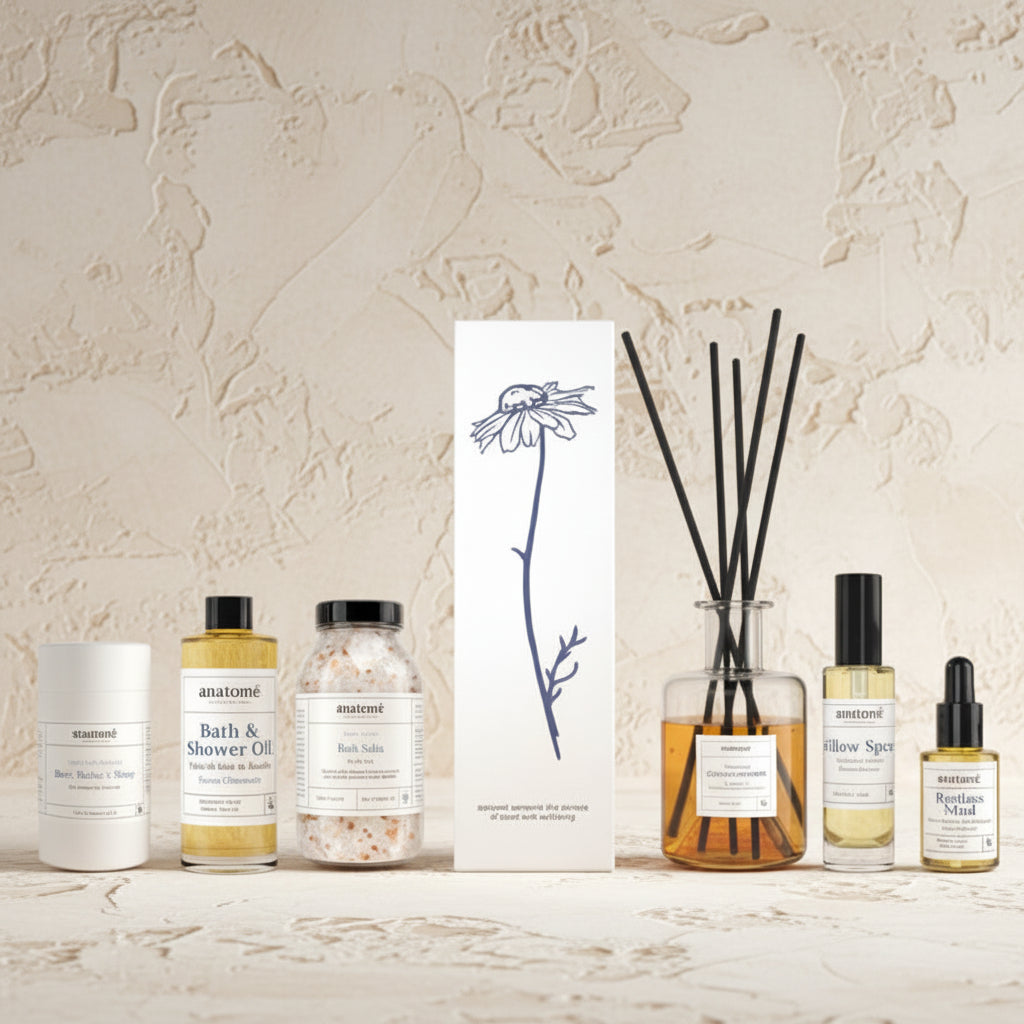
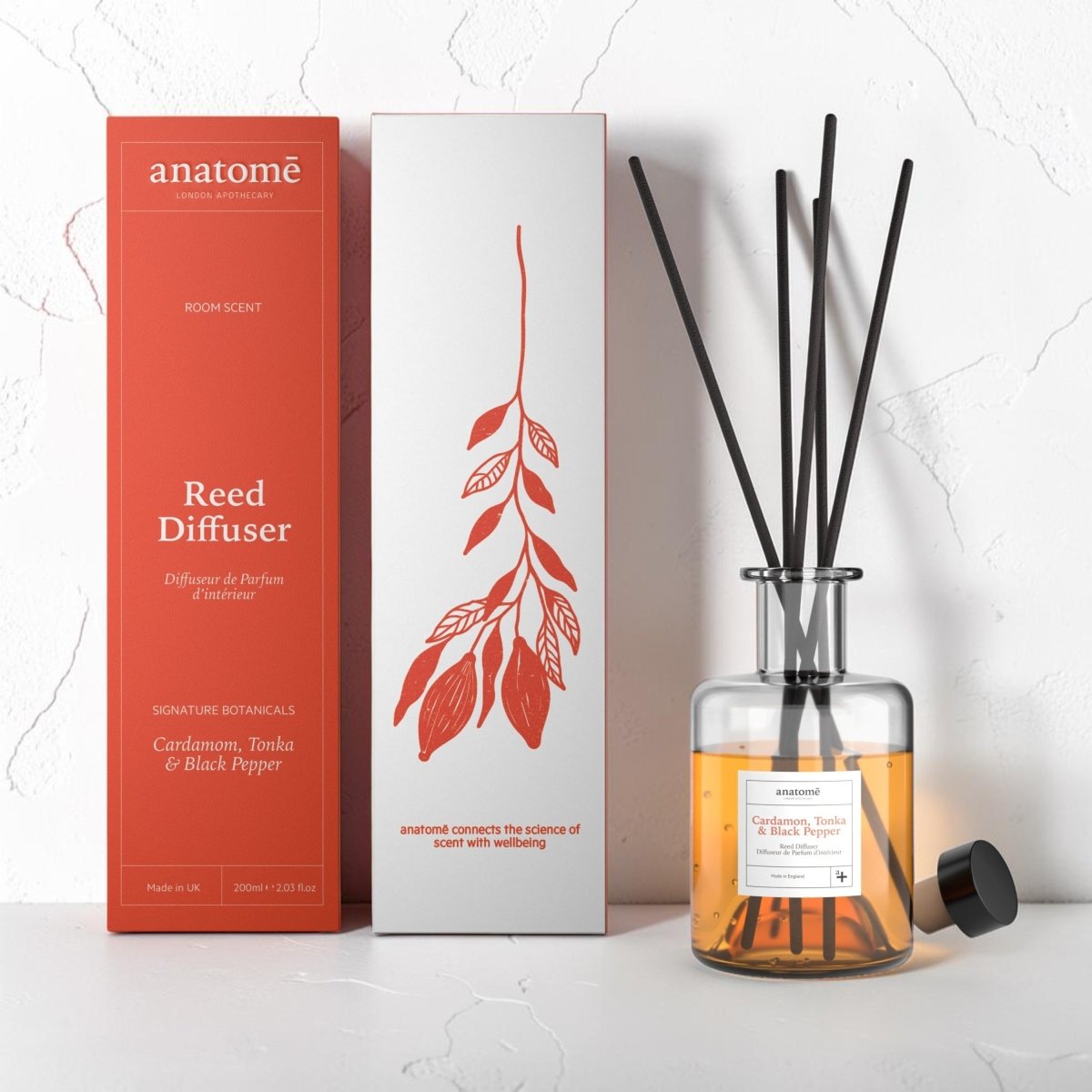
Passive diffusers include reed diffusers and porous stone or ceramic diffusers. Reed diffusers use wooden sticks that absorb oil from a bottle and release scent slowly into the air. Stone diffusers work similarly, with porous material wicking and evaporating oil over time.
Key traits of heat and passive diffusers:
- No electricity needed for passive types
- Very quiet operation
- Provide a subtle, continuous background scent
- Heat can degrade some oil compounds
- Slower scent release compared to powered diffusers
- Great for bathrooms, closets, or areas where you want a gentle fragrance
What Are Essential Oil Diffusers Used For?
Diffusers have practical and wellness uses. Knowing common applications helps you decide if one suits your lifestyle.
Everyday Uses at Home and Work
Most people use diffusers to create a pleasant atmosphere in their living or working space. The goals are straightforward and practical.
Common everyday uses include:
- Relaxation: Lavender, chamomile, and other calming scents help unwind after a long day.
- Spa atmosphere: Create a luxurious, soothing environment in bathrooms or bedrooms.
- Masking odours: Essential oils can cover cooking smells, pet odours, or stale air.
- Setting a mood: Energising citrus scents for mornings, warm vanilla for evenings.
- Supporting focus: Peppermint and rosemary are popular for home offices and study areas.
- Bedtime routines: Many people diffuse calming oils as part of their wind-down ritual.
Potential Wellness Benefits (With Realistic Expectations)
Research suggests aromatherapy may offer some wellness benefits. Studies have linked certain essential oils to reduced stress, improved mood, and feelings of relaxation.
For example, lavender inhalation has been associated with lower anxiety levels in clinical settings. Peppermint may help with alertness and mental clarity. Eucalyptus is often used for respiratory comfort during cold seasons.
However, it's important to keep expectations realistic. Diffusers and essential oils are complementary wellness tools, not medical treatments. They can support your mood and create a calming environment, but they won't cure illness or replace professional healthcare.
Where Diffusers Fit in Aromatherapy?
Aromatherapy is the broader practice of using plant extracts and essential oils for health and well-being. Diffusers are just one delivery method within this practice.
Other aromatherapy methods include:
- Topical application (diluted oils applied to skin)
- Aromatic baths
- Personal inhalers
- Massage with essential oil blends
- Steam inhalation
Diffusers offer a hands-free, room-wide approach. They're ideal when you want to benefit from essential oils without direct skin contact or active involvement.
How to Use an Essential Oil Diffuser Step by Step
Using a diffuser correctly ensures you get the best experience while protecting your device. The process is simple once you know the basics.
Setup: Water, Oil, and Settings
Setting up most diffusers takes less than two minutes. Here's the general process for ultrasonic models, which are most common:
- Remove the cover and locate the water reservoir.
- Fill to the indicated water line with room temperature tap or distilled water.
- Add your chosen essential oil drops directly to the water.
- Replace the cover securely.
- Select your timer setting and mist strength if available.
- Place the diffuser on a stable, flat surface with good airflow.
- Turn it on and enjoy.
For nebulising diffusers, skip the water. Simply attach your essential oil bottle to the device according to the manufacturer's instructions.
How Many Drops of Oil to Use?
The right amount of oil depends on your room size, diffuser capacity, and personal preference. Many people add too many drops, which can overwhelm the room and waste oil.
General guidelines:
- Small rooms (bathroom, closet): 3 to 5 drops
- Medium rooms (bedroom, office): 5 to 8 drops
- Large rooms (living room, open plan): 8 to 12 drops
Start with fewer drops than you think you need. You can always add more, but you can't remove oil once it's in the water. "Less is more" applies especially in small or poorly ventilated spaces.
Cleaning and Maintenance
Regular cleaning keeps your diffuser working properly and prevents issues like mould, residue buildup, or clogged components.
Basic maintenance tips:
- Empty unused water after each session rather than letting it sit.
- Wipe the reservoir with a soft cloth regularly.
- Deep clean weekly using a mixture of water and white vinegar.
- Use a cotton swab to clean the ultrasonic plate or small openings.
- Never submerge electrical components in water.
- Allow all parts to dry completely before reassembling.
A clean diffuser produces better mist, truer scent, and lasts longer.
Safety, Risks, and Best Practices
Diffusers are generally safe when used correctly. However, certain precautions protect you, your family, and your pets.
Safe Run Times and Ventilation
Running a diffuser continuously for hours can oversaturate your space with scent. This may cause headaches, nausea, or respiratory irritation, even with beneficial oils.
Recommended practices:
- Diffuse for 30 to 60 minutes at a time.
- Take breaks of at least 30 minutes between sessions.
- Always use diffusers in well-ventilated rooms.
- Keep a window cracked or door open for airflow.
- Use lower mist settings in smaller spaces.
- Never fall asleep with a diffuser running all night unless it has an auto shut-off timer.
Pets, Kids, and Sensitive Lungs
Some household members need extra consideration when using diffusers.
Pets:
Cats and dogs are more sensitive to essential oils than humans. Cats especially lack enzymes to process certain oil compounds. Keep diffusers in rooms where pets can roam freely. Avoid tea tree, eucalyptus, peppermint, and citrus oils around cats.
Children:
Young children have developing respiratory systems. Use very mild scents, shorter diffusion times, and keep devices out of reach. Avoid diffusing in nurseries or children's bedrooms overnight.
Asthma and allergies:
Strong scents can trigger breathing difficulties in sensitive individuals. Start with minimal amounts and monitor reactions carefully. When in doubt, consult a healthcare provider.
Quality of Oils and Devices
What you put in your diffuser matters as much as the device itself.
-
Essential Oils:
Choose 100% pure essential oils from reputable brands. Avoid fragrance oils, perfume oils, or synthetic blends. These may contain chemicals that irritate airways or damage your diffuser. Look for oils with botanical names on the label and third-party testing.
-
Devices:
Purchase diffusers with safety certifications and auto shutoff features. Cheap, uncertified devices may overheat or malfunction. Read reviews and stick to established brands.
How to Choose the Right Diffuser for You?
With so many options available, choosing can feel overwhelming. Focus on your specific needs and space to narrow down the best fit.
Matching Diffuser Type to Your Space and Goals
Different diffusers suit different situations:
- Ultrasonic: Best for everyday home use, bedrooms, and offices. Gentle scent, quiet operation, adds light humidity.
- Nebulising: Best for large spaces or when you want maximum aroma intensity. Ideal for aromatherapy enthusiasts who prioritise potency.
- Evaporative/Fan: Best for travel, personal desk use, or small areas where portability matters.
- Passive (reed/stone): Best for bathrooms, closets, or spaces where you want a subtle, continuous scent without electricity.
Features That Matter
Beyond diffuser type, certain features make daily use more convenient:
- Tank size: Larger tanks run longer between refills. Look for 300ml or more for extended use.
- Timer modes: Multiple timer settings (1 hour, 3 hours, 6 hours) give flexibility.
- Auto shutoff: An essential safety feature that turns off the device when water runs out.
- Noise level: Important for bedrooms or quiet workspaces. Ultrasonic models are typically the quietest.
- Lighting options: Many diffusers include LED lights. Some people love this feature; others find it distracting.
- Ease of cleaning: Wide openings and simple designs make maintenance less tedious.
Common Mistakes to Avoid
New diffuser users often make these errors:
- Over-scenting small rooms: Using too many drops creates an overwhelming, unpleasant experience.
- Running 24/7: Continuous diffusion causes scent fatigue and potential irritation.
- Using poor-quality oils: Synthetic or adulterated oils don't provide true aromatherapy benefits and may cause headaches.
- Skipping cleaning: Residue buildup leads to mould, weak mist output, and off-putting smells.
- Ignoring water quality: Hard tap water can leave mineral deposits. Use distilled water if your area has hard water.
Takeaway
An essential oil diffuser is a device that turns concentrated plant oils into a breathable mist. It offers a simple, effective way to bring aromatherapy into your daily life. Start simple, keep sessions short, prioritise quality oils, and clean your device regularly.
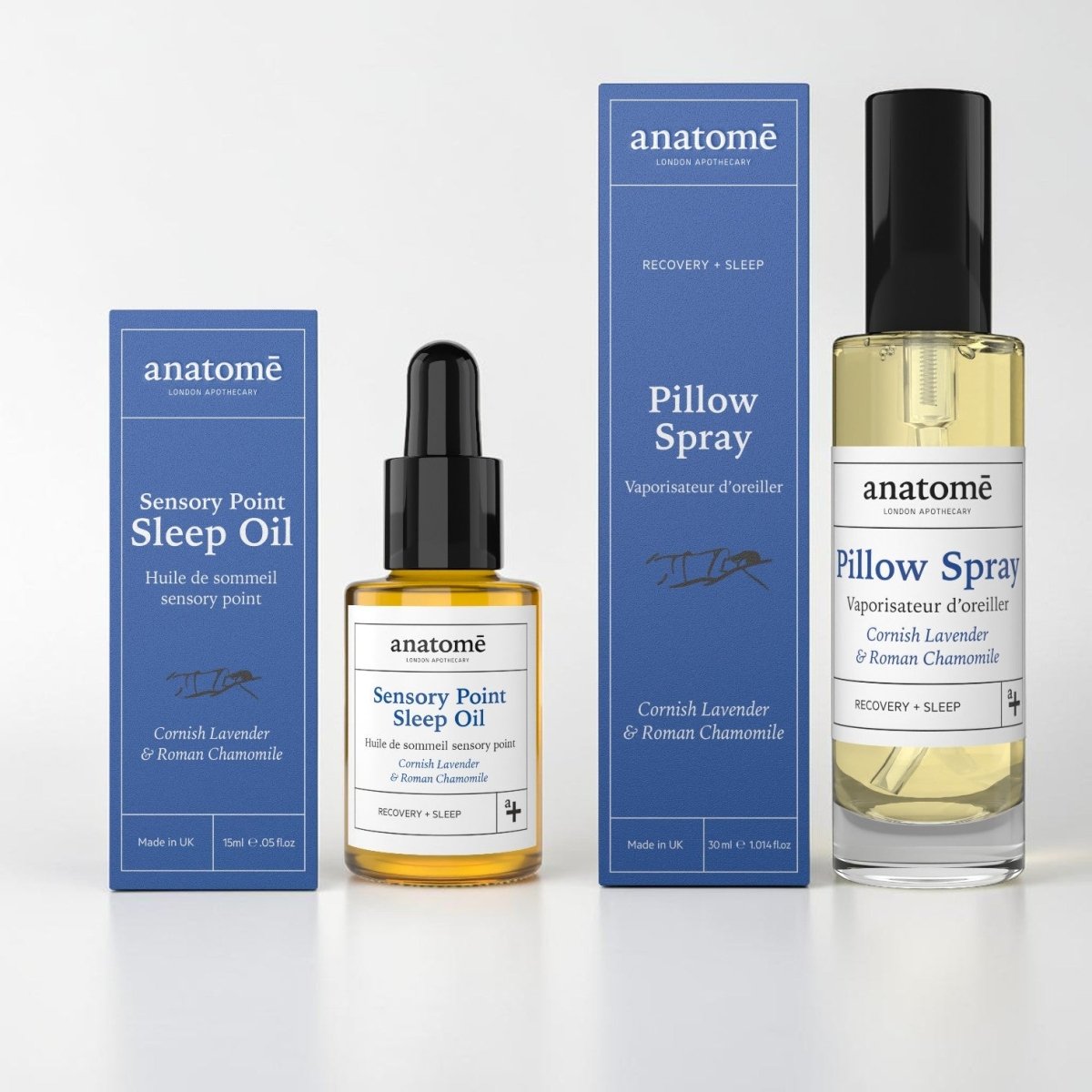
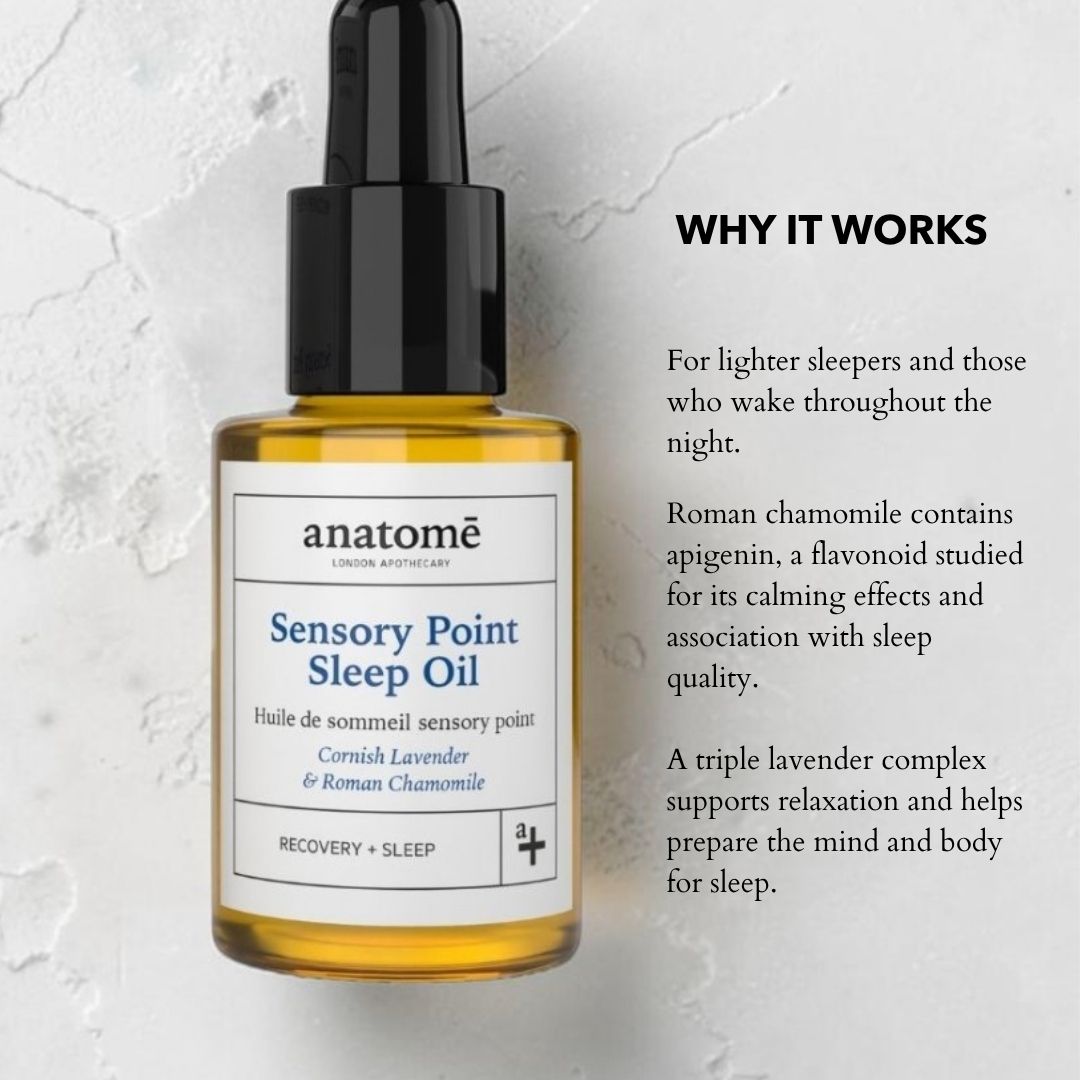
Your diffuser is only as good as what you put in it. anatomē creates award-winning essential oil blends using only the finest botanicals, rigorously tested for purity and potency. Whether you're seeking calm, focus, or deeper sleep, we have a blend designed exactly for that moment.
Important FAQs
Q1. What exactly does an essential oil diffuser do?
An essential oil diffuser breaks down concentrated plant oils into tiny airborne particles that spread throughout a room. This allows you to inhale the aromatic compounds, creating a scented atmosphere for relaxation, mood enhancement, or supporting sleep and focus routines.
Q2. How does an ultrasonic essential oil diffuser work?
An ultrasonic diffuser uses a vibrating plate that operates at high frequency. Water mixed with essential oil drops sits in a reservoir. The vibrations break this mixture into a fine, cool mist that rises and disperses into your room without using heat.
Q3. What is the difference between ultrasonic and nebulising diffusers?
Ultrasonic diffusers use water mixed with oil and create a gentle mist. Nebulising diffusers use pure, undiluted oil with pressurised air to produce a concentrated scent. Nebulisers are stronger but use more oil and cost more to operate.
Q4. Do essential oil diffusers actually clean or purify the air?
No, diffusers primarily add scent to the air. While some essential oils have antimicrobial properties, diffusers don't filter particles or purify air like dedicated air purifiers. They're designed for aromatherapy and creating pleasant atmospheres, not air cleaning.