













Sleep is often described as something we simply fall into. But in reality, sleep is a complex system — a delicate balance of biology, environment, and ritual.
At anatomē, we have long believed that better sleep begins with understanding how it works. This idea sits at the centre of our new project, The Anatomy of Sleep - an upcoming installation exploring the science, botanicals and rituals that shape rest.
Over the coming weeks, we’ll be opening a space dedicated to sleep. A place to explore the rhythms of the body, the calming effects of scent, and the small rituals that help prepare the mind for night.

Understanding How Sleep Works
Sleep is governed by a number of biological systems working together.
Our circadian rhythm, the body’s internal clock, responds to light and darkness to regulate when we feel awake and when we feel tired. Over the course of the night, the brain moves through cycles of light sleep, deep sleep and REM sleep, each playing a different role in restoration.
Chemistry also plays a part. During the day, the brain produces serotonin, which in the evening is converted into melatonin, the hormone that signals the body to prepare for sleep.
Nutrition, minerals such as magnesium, and the state of the nervous system all influence how easily we fall asleep and how deeply we rest.
The Role of Botanicals
Botanicals have long been used to support relaxation and sleep rituals.
Lavender, one of the most studied plants in sleep research, has been shown to calm the nervous system and reduce stress responses. Chamomile has been used for centuries to encourage relaxation, while frankincense has traditionally been associated with meditation and slowing the breath.
These botanicals are not simply fragrances. Their scent interacts with the limbic system, the part of the brain associated with emotion and memory, helping to create an atmosphere of calm before sleep.
In The Anatomy of Sleep, visitors to Chiltern Street will be able to explore these ingredients individually, smelling them in their pure form and understanding how they combine to form more complex sleep blends.

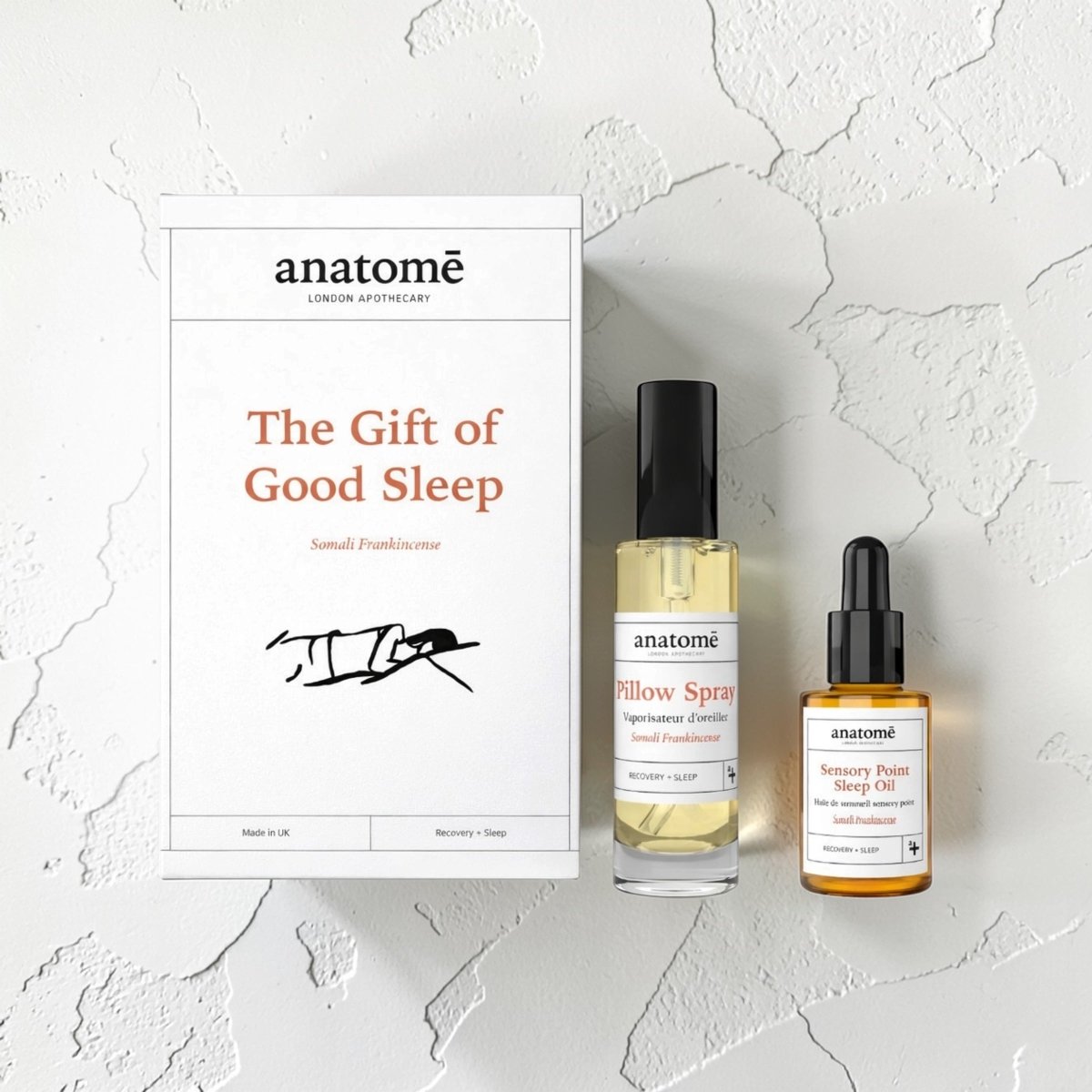
Sleep Pillow Spray | Roman Chamomile |

Sleep Oil for Restless Sleep | Roman Chamomile & Cornish Lavender | |
Two Common Sleep Challenges
One of the ideas behind the exhibition is that sleep challenges often fall into two common patterns.
Some people struggle to fall asleep, often because the mind remains active long after the body is ready for rest.
Others fall asleep easily but wake during the night, unable to maintain deep sleep.
Understanding these patterns allows sleep rituals to be tailored to different needs, using botanicals that support calm, nervous system regulation and deeper rest.
Designing Sleep Rituals
Better sleep is rarely achieved through one solution alone. Instead, it emerges from small habits and environmental cues that signal to the body that it is time to rest.
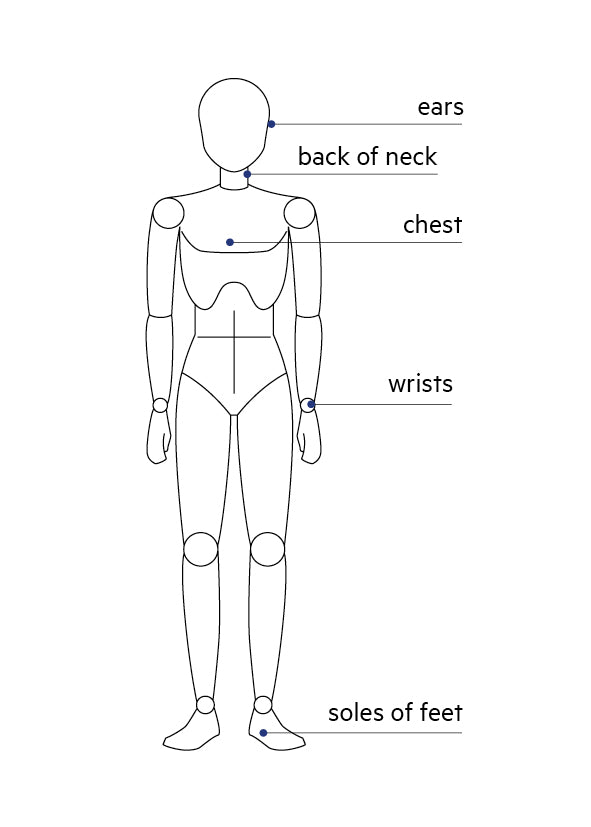
Evening light, temperature, scent and routine all play a role. A simple ritual — applying an oil to the wrists, misting the pillow, slowing the breath — can create a psychological and sensory transition from day to night.
This philosophy sits at the centre of The Anatomy of Sleep, which explores how sleep can be designed through a combination of science and ritual.

A First Step
To mark the beginning of the project, we’ve released a limited-edition Anatomy of Sleep Tote, designed as a small companion to the campaign.
Over the coming weeks we’ll continue sharing more about the exhibition, the botanicals involved, and the science that sits behind the rituals of rest and some new sleep products.
Because understanding sleep is often the first step toward improving it.

