








Pillow sprays use aromatherapy to promote relaxation and improve sleep quality by delivering calming scents directly to your breathing zone throughout the night. These simple mists contain essential oils that interact with your brain's limbic system, triggering neurochemical responses that reduce stress and prepare your body for rest.
Scientific research shows that certain essential oils can decrease the time it takes to fall asleep while improving overall sleep duration and quality. Learning about their origins and effectiveness helps you appreciate why millions now include them in nightly routines.
What Are Pillow Sprays?
Pillow sprays are liquid aromatherapy products designed to be misted onto pillows, bedding, and sleep spaces before bedtime. They contain essential oils suspended in water or alcohol-based solutions that evaporate slowly, releasing calming scents throughout the night.
Unlike room sprays or air fresheners, pillow sprays use specific essential oil concentrations optimised for sleep support. The formula sits close to your nose and mouth, ensuring you breathe the therapeutic compounds as you drift off and maintain deep sleep cycles.
Most pillow sprays contain 2-5% essential oil concentration, striking a balance between effectiveness and safety. Higher concentrations can irritate airways or overwhelm the senses, while lower concentrations may not deliver noticeable benefits.
Popularity in Sleep Wellness
Social media and wellness influencers accelerated pillow spray popularity from 2015 onward. Platforms like Instagram showcased bedtime routines featuring these products, normalising aromatherapy as part of modern self-care practices. Today, pillow sprays appear in luxury hotels, spas, and millions of bedrooms worldwide.
The global sleep aids market reached USD 77.72 billion in 2024, with aromatherapy products like pillow sprays representing one of the fastest-growing segments. Within the essential oil sleep market, lavender dominates with a 40% share, chamomile holds 35%, and other oils make up the remaining 25%. This distribution reflects consumer trust in research-backed sleep oils.
Science Behind Pillow Spray Effectiveness
The effectiveness of pillow sprays rests on solid neuroscience and biochemistry. Specific compounds in essential oils trigger measurable changes in brain activity, hormone levels, and nervous system function. Understanding these mechanisms reveals why pillow sprays work beyond simple pleasant scents.
How Scents Influence Mood and Sleep?
Scents bypass the brain's thinking centres and directly access emotional and memory regions, creating immediate psychological and physiological responses. When you inhale essential oils from a pillow spray, aromatic molecules travel through your nasal passages to olfactory receptors that connect directly to the limbic system.
The limbic system controls emotions, memories, and basic functions like heart rate and breathing. Calming scents activate parasympathetic nervous system responses that include:
- Lowered blood pressure
- Slower, deeper breathing patterns
- Reduced muscle tension throughout the body
- Decreased heart rate variability
- Enhanced feelings of safety and comfort
These changes signal your body that it's safe to enter rest mode. Research published in the Journal of Alternative and Complementary Medicine found that lavender aromatherapy increased deep sleep stages by 20% compared to control groups. Participants also reported feeling more refreshed upon waking, suggesting improved overall sleep architecture.
The Olfactory System and Neurochemical Response
Your olfactory system contains about 400 different receptor types that detect thousands of distinct scents. When essential oil molecules bind to these receptors, they trigger electrical signals that travel to the olfactory bulb and then to the amygdala and hippocampus within milliseconds.
This rapid pathway explains why scents produce immediate emotional responses. A familiar calming scent can shift your mood before you consciously register the smell. The brain associates certain aromas with safety, comfort, and relaxation through repeated exposure and positive experiences.
Key neurochemical changes from pillow spray use:
- Increased GABA production, the brain's primary calming neurotransmitter
- Reduced cortisol levels, lowering the stress hormone impact
- Enhanced serotonin activity, promoting mood stability
- Melatonin regulation support, aligning sleep-wake cycles
- Decreased heart rate variability, indicating parasympathetic activation
Studies using brain imaging technology show that inhaling lavender essential oil increases alpha and theta brain wave activity associated with relaxation and light sleep stages. This neurological shift prepares the brain for the transition from wakefulness to sleep.
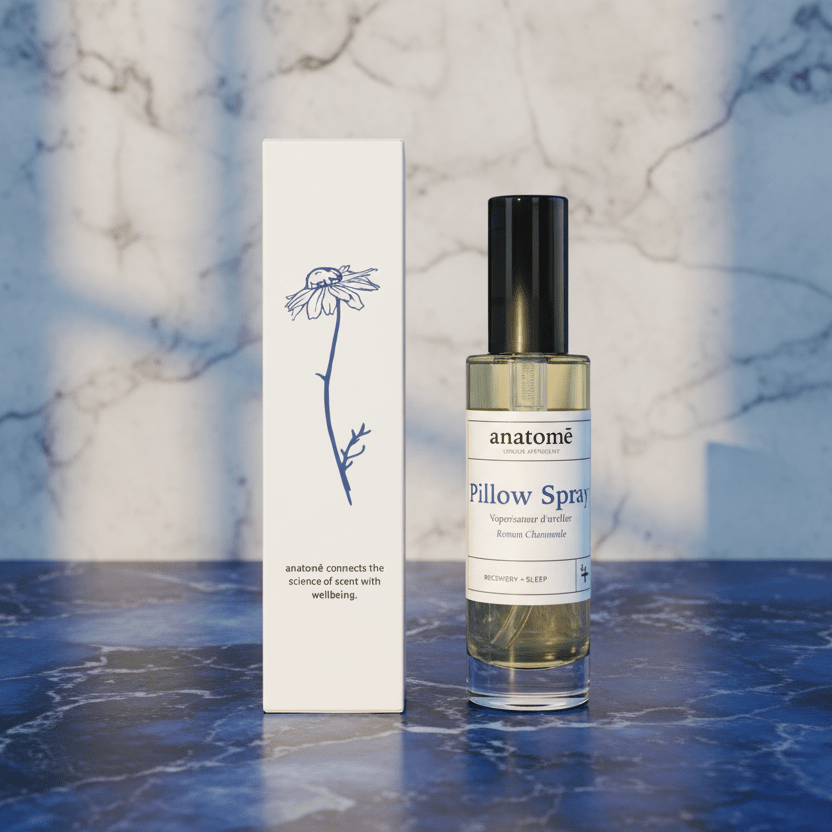
Anatomē Pillow Sprays |
How to Use Pillow Sprays Properly?
Correct pillow spray application maximises benefits while preventing fabric damage or overwhelming scents. Following proper techniques ensures comfortable, effective aromatherapy that enhances rather than disrupts sleep. Small adjustments in usage create significant differences in results.
Application Steps and Best Practices
Apply pillow spray 15 to 30 minutes before getting into bed to allow the mist to settle and the alcohol or water base to evaporate. Hold the bottle 6 to 8 inches away from your pillow and spray 2 to 4 light mists across the surface.
Step-by-step application process:
- Shake the bottle gently to distribute essential oils evenly
- Hold 6 to 8 inches from the pillow surface
- Spray 2 to 4 light mists in a sweeping motion
- Target the upper third of the pillow where your head rests
- Allow 15 to 30 minutes for settling before lying down
- Adjust the amount based on scent preference and sensitivity
Spray both your pillow and the area around your head, including the top edge of your duvet or blanket. This creates a subtle aromatherapy environment without concentrating all scent in one spot. Layering light applications works better than heavy single applications.
Important Tip:
Avoid over-applying pillow spray, which can saturate fabric and create overpowering scents that disturb rather than promote sleep. Start with fewer sprays and increase gradually if needed. You should smell a gentle fragrance when lying down, not an intense cloud.
Creating a Calming Bedtime Routine
Pillow spray effectiveness increases when integrated into a consistent bedtime routine that signals sleep time to your brain and body. Use the spray as an anchor point that triggers a cascade of relaxing behaviours and expectations.
Building an effective routine with pillow spray:
- Dim lights 1 hour before bedtime to support melatonin production
- Complete hygiene tasks like brushing teeth and skincare
- Change into comfortable sleepwear that feels relaxing
- Apply pillow spray while making final bedroom preparations
- Practice 5 to 10 minutes of gentle stretching or breathing exercises
- Engage in quiet activities like reading or journaling
- Avoid screens for 30 minutes before lying down
- Use the pillow spray scent as your cue to begin winding down
Your brain learns to associate the pillow spray scent with sleep through classical conditioning. After consistent use for 2 to 3 weeks, simply smelling the spray begins triggering relaxation responses before you even lie down. This psychological component amplifies the oils' chemical effects.
Consider pairing your pillow spray with other sensory sleep cues. Soft music, comfortable room temperature, and reduced noise levels work synergistically with aromatherapy to create optimal sleep conditions. The pillow spray becomes part of a multi-sensory sleep environment.
Dos and Don'ts for Maximum Effect
Following proper guidelines prevents common mistakes that reduce pillow spray effectiveness or cause unwanted side effects. These practical tips come from aromatherapy research and user experiences.
Dos for pillow spray success:
- Use consistently every night to build sleep associations
- Store bottles away from heat and sunlight to preserve oils
- Test on a small fabric area first to check for staining
- Replace bottles every 6 to 12 months as oils degrade
- Adjust quantity based on personal scent sensitivity
- Combine with other healthy sleep hygiene practices
Don'ts that reduce effectiveness:
- Don't spray directly onto your face or skin
- Don't use immediately before lying down without a settling time
- Don't over-apply thinking more spray equals better results
- Don't use it if you have severe respiratory sensitivities
- Don't expect instant results. Allow 2 to 3 weeks for full benefits
- Don't use it as a substitute for addressing underlying sleep disorders
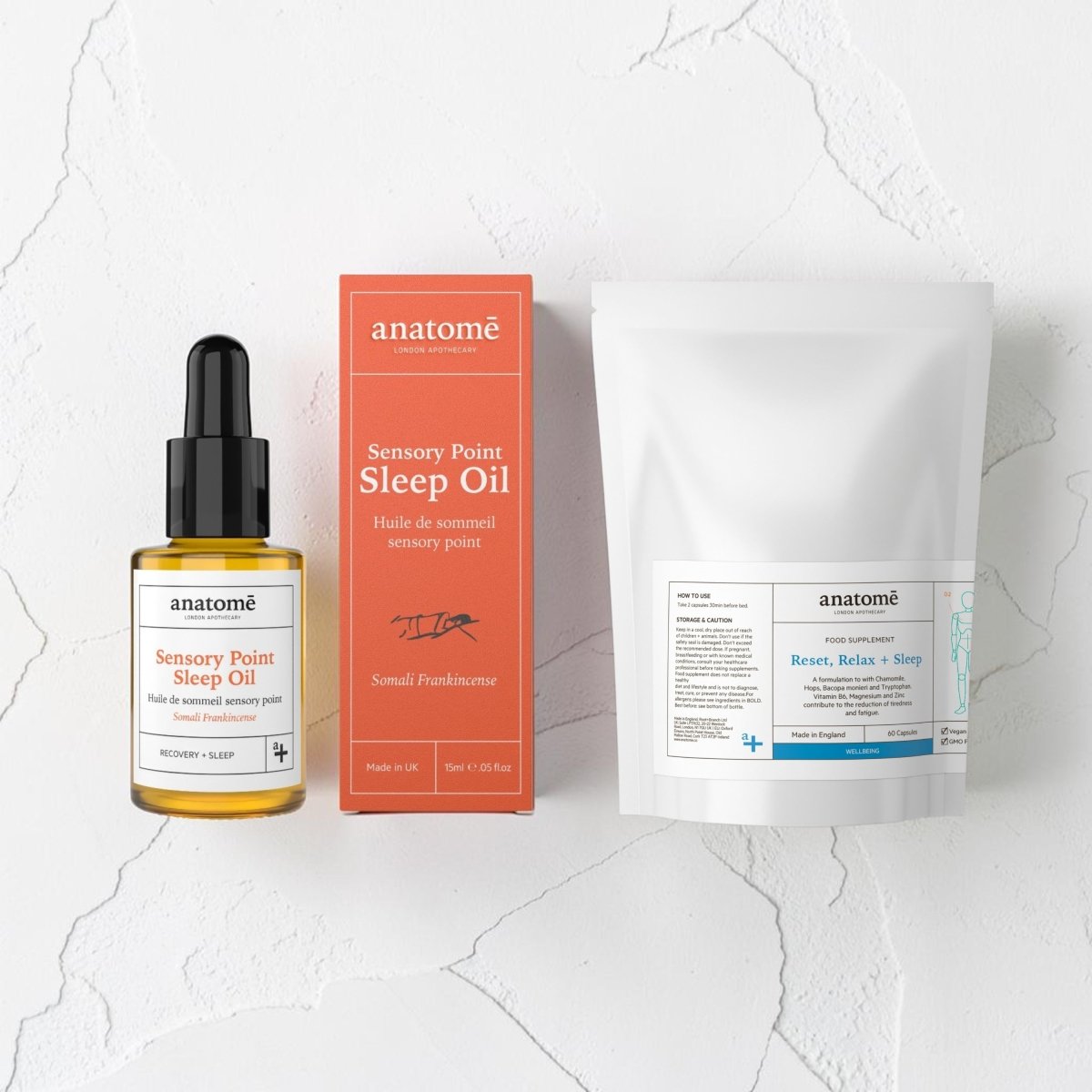
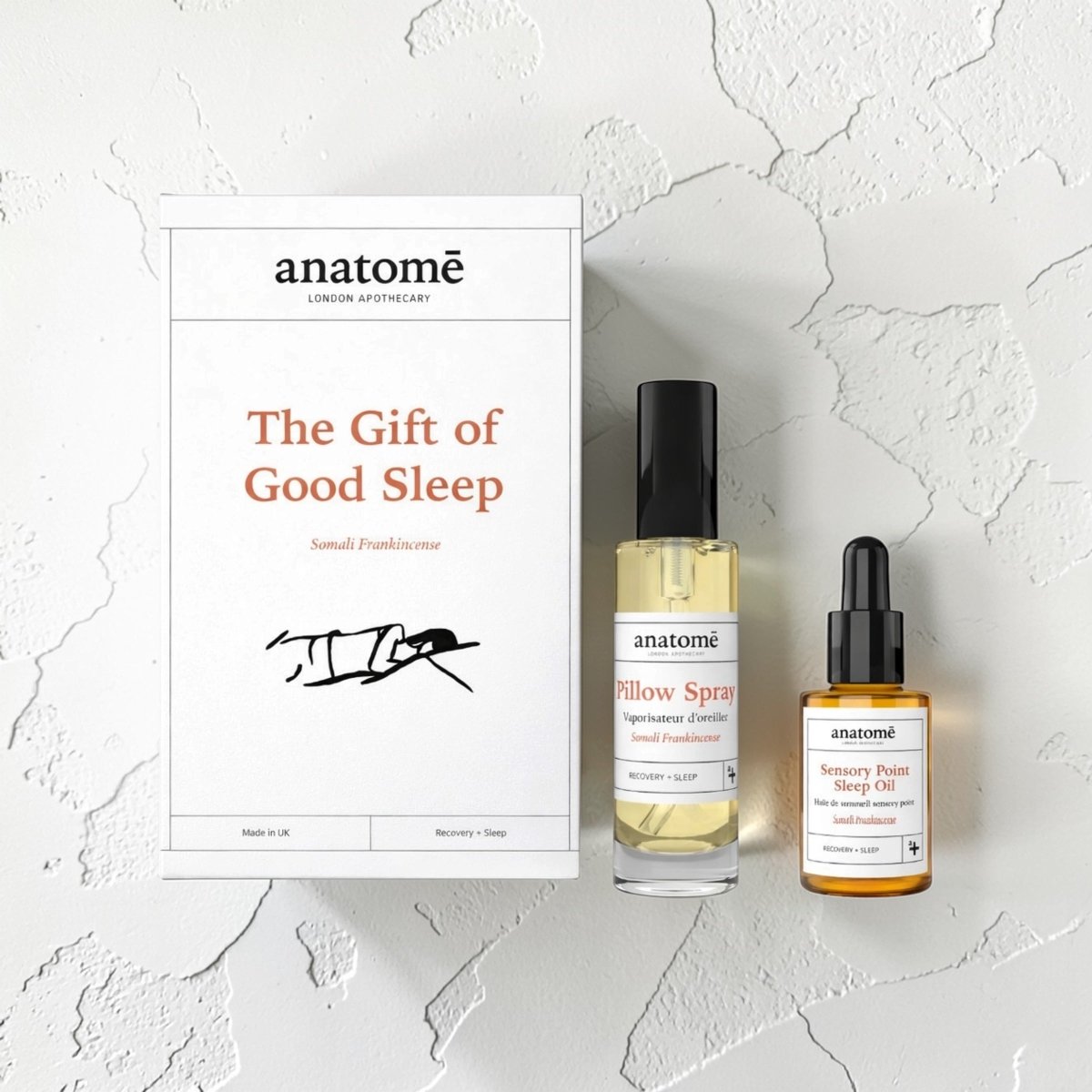
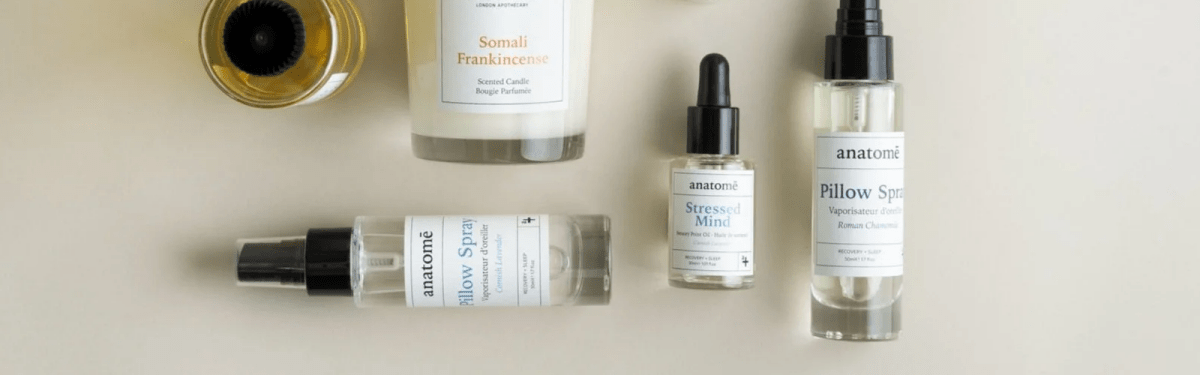
Guessing which oils work best together? Anatomē has done the hard work with pillow sprays featuring Roman Chamomile or Somali Frankincense, each blended with up to 16 complementary essential oils. Professional formulation means better sleep without the trial and error.
5 Common Essential Oils and Their Effects
Different essential oils produce distinct neurochemical responses based on their active compounds. Understanding these differences helps you select pillow sprays that address your specific sleep challenges.
-
Lavender Essential Oil
Lavender essential oil contains linalool and linalyl acetate, compounds that bind to GABA receptors and promote relaxation. Multiple studies confirm lavender's ability to improve sleep quality, reduce anxiety, and decrease nighttime waking. Its balanced scent appeals to most people without being overpowering.
It offers gentle sedative properties through compounds like chamazulene and bisabolol. Chamomile reduces nervous system excitability and soothes racing thoughts that prevent sleep onset. Its apple-like aroma creates comforting associations for many users.
Frankincense essential oil grounds emotions through its rich, resinous scent. The oil's sesquiterpene content supports deep breathing patterns and meditation states. Many find frankincense especially helpful for quieting anxious minds and spiritual bedtime practices.
-
Bergamot Essential Oil
Bergamot essential oil uniquely combines calming and uplifting properties. While most citrus oils energise, bergamot contains linalool that promotes relaxation. It helps people who feel both wired and tired find emotional balance before sleep.
-
Cedarwood Essential Oil
Cedarwood essential oil promotes steady, slow breathing through its woody, grounding aroma. The oil's cedrol content may increase melatonin production naturally. Cedarwood works well for people who struggle with middle-of-the-night waking.
5 Key Benefits of Using Pillow Sprays
Regular pillow spray use delivers multiple sleep and wellness benefits beyond simply smelling pleasant. Scientific studies and user reports confirm that these products meaningfully improve sleep experiences. Understanding specific benefits helps set realistic expectations for results.
-
Promotes Relaxation and Faster Sleep Onset
Pillow sprays reduce the time it takes to fall asleep by activating relaxation pathways before your head touches the pillow. Research shows that lavender aromatherapy can decrease sleep latency by 15 to 20 minutes on average.
The parasympathetic nervous system activation from inhaling calming essential oils creates physiological relaxation:
- Heart rate slows to resting levels
- Breathing deepens and becomes more rhythmic
- Muscle tension releases naturally
- Mental chatter quiets gradually
People with racing thoughts or bedtime anxiety particularly benefit from pillow sprays' immediate calming effects. The scent provides a focal point for attention, interrupting worry cycles and redirecting mental energy toward sensory experience.
-
Enhances Sleep Quality and Duration
Beyond helping you fall asleep, pillow sprays improve the quality of sleep you experience throughout the night. Studies using sleep tracking technology show that aromatherapy increases time spent in deep sleep stages and reduces nighttime waking episodes.
Deep sleep stages support physical restoration, immune function, and memory consolidation. Essential oils' sustained release from bedding maintains therapeutic concentrations in breathing air for hours. Users report fewer middle-of-the-night awakenings when using pillow sprays consistently, as the continuous presence of calming scents helps maintain sleep state during natural cycle transitions.
-
Offers Stress and Anxiety Reduction
Pillow sprays provide ongoing stress relief that extends beyond nighttime benefits. The ritual of applying spray becomes a mindful pause in evening routines, creating space to release daily tensions.
Regular aromatherapy use can lower baseline cortisol levels over time. One study found that participants using lavender pillow spray for 4 weeks showed significant decreases in self-reported anxiety scores and stress biomarkers. For people dealing with generalised anxiety or stress-related sleep disruption, pillow sprays offer gentle support without pharmaceutical side effects.
-
Creates Consistent Sleep Habits
Pillow sprays help establish reliable bedtime routines that signal your body when it's time to wind down. The consistent scent acts as a conditioning cue that prepares your mind for sleep after just a few weeks of regular use. This behavioural anchoring works through classical conditioning, similar to how certain songs or smells trigger specific memories:
- The brain associates the scent with sleep time
- The body begins a relaxation response upon smelling the spray
- Routine becomes automatic rather than effortful
- Sleep onset happens more predictably each night
The portability of pillow sprays means you can maintain this sleep cue even when travelling. Bringing your familiar scent to hotel rooms or guest bedrooms helps you fall asleep in unfamiliar environments by recreating your home sleep signals.
-
Supports Natural Sleep Without Side Effects
Unlike sleep medications or sleep supplements, pillow sprays work with your body's natural processes rather than introducing synthetic compounds. This gentle approach means no morning grogginess, no risk of dependency, and no concerning drug interactions.
Pillow sprays particularly benefit people who want sleep support but cannot or prefer not to take oral supplements. They offer a non-invasive option suitable for long-term use without tolerance buildup or withdrawal concerns when discontinued.
Ingredients and Safety Considerations
Understanding pillow spray ingredients helps you select safe, effective products that match your needs. Not all formulas offer equal quality or safety profiles. Being informed protects you from potential adverse reactions while ensuring you get real therapeutic benefits.
Natural vs Synthetic Fragrances
Natural essential oils and synthetic fragrance compounds produce dramatically different effects and safety profiles. Genuine essential oils contain dozens to hundreds of active compounds that work synergistically. Synthetic fragrances mimic one or two scent molecules without therapeutic properties.
Natural essential oil advantages:
- Contain therapeutic compounds that influence brain chemistry
- Offer full aromatherapy benefits supported by research
- Provide complex, authentic scents that evolve over time
- Come from sustainable plant sources when ethically sourced
- Present minimal risk when properly diluted
Synthetic fragrance concerns:
- May contain phthalates linked to hormone disruption
- Often trigger allergic reactions or sensitivities
- Provides no legitimate aromatherapy benefits
- Can include undisclosed chemical compounds
- May cause respiratory irritation in sensitive individuals
Always check ingredient labels for terms like "essential oils" rather than "fragrance" or "parfum." Quality pillow sprays clearly list specific essential oils used. Avoid products with vague ingredient descriptions or heavy synthetic fragrance loads.
Skin and Fabric Safety
Test new pillow sprays on inconspicuous fabric areas before full application. Spray a small amount on a hidden corner of your pillowcase and check after 24 hours for discolouration or texture changes. This simple precaution prevents ruining favourite bedding.
Essential oils in high concentrations can stain delicate fabrics like silk or damage finishes on some synthetic materials. Quality pillow sprays use appropriate dilutions that pose minimal fabric risk when applied correctly at recommended distances and quantities.
For skin safety, always spray fabric rather than directly onto your face or body. Even natural essential oils can irritate skin in concentrated forms. The small amounts that transfer from fabric during sleep remain well within safe exposure ranges.
Side Effects or Allergic Reactions
Most people use pillow sprays without adverse effects, but some individuals experience sensitivities to specific essential oils. Recognising potential reactions helps you respond appropriately and adjust usage.
Possible side effects from pillow spray use:
- Headaches from overapplication or scent sensitivity
- Nasal congestion or a runny nose in sensitive individuals
- Mild skin irritation may occur if the fabric contacts the face overnight
- Respiratory discomfort in people with asthma or allergies
- Nausea from strong scents or personal aversions
Discontinue use immediately if you experience breathing difficulty, severe headaches, skin rashes, or other concerning symptoms. While rare, essential oil allergies do occur and can develop even after previously tolerating an oil without problems.
Warning:
Pregnant women should consult healthcare providers before using pillow sprays, as some essential oils may affect hormone levels or pregnancy. Generally safe options include lavender and chamomile in low concentrations, but individual medical guidance provides the best safety assurance.
Comparisons and Alternatives
Pillow sprays represent one approach to aromatherapy and sleep support among many available options. Understanding how they compare to alternatives helps you choose the best solutions for your specific situation. Some people benefit from combining multiple approaches.
Pillow Sprays vs. Other Aromatherapy Products
Pillow sprays offer unique advantages compared to diffusers, roller bottles, and other aromatherapy delivery methods. Each format suits different preferences and circumstances.
Pillow Sprays Compared to Diffusers
Pillow sprays work without electricity, making them portable for travel and eliminating the need for bedside outlets. They deliver concentrated aromatherapy directly to your breathing zone rather than dispersing oils throughout the room. However, diffusers provide adjustable intensity and work well for shared sleeping spaces where both people want aromatherapy.
Pillow Sprays Compared to Topical Oils
Topical sleep oils require skin application and absorption, working through different mechanisms than inhalation aromatherapy. They offer longer-lasting effects but need proper dilution and patch testing. Pillow sprays avoid skin contact while providing immediate inhalation benefits without the mess of oil application.
Pillow Sprays Compared to Aromatherapy Jewellery
Personal diffuser jewellery allows continuous aromatherapy throughout the day, but may not provide sufficient concentration for sleep support. Pillow sprays deliver higher doses specifically when needed without wearing devices. Some people combine both methods for all-day stress relief and nighttime sleep enhancement.
Sleep Sprays vs. Supplements and Digital Sleep Aids
Pillow sprays work through sensory pathways rather than digestive or technological mechanisms. This creates different benefits and safety profiles compared to other sleep solutions.
Compared to Melatonin Supplements:
- No next-day grogginess or brain fog
- Supports natural hormone production instead of replacing it
- No risk of disrupting your body's melatonin cycles
- Gentler intervention for mild sleep issues
Compared to Sleep Medications:
- Zero risk of dependency or tolerance
- No prescription or doctor visits required
- Works as a first-line natural approach
- Suitable for long-term nightly use
Compared to Digital Sleep Aids:
Pillow sprays complement rather than replace white noise machines or meditation apps. Many people find that combining aromatherapy with sound therapy creates more effective sleep environments than either method alone. The multi-sensory approach addresses sleep from multiple angles.
Takeaway
Pillow sprays work through proven aromatherapy that calms your nervous system and prepares your brain for sleep. Apply 2 to 4 light sprays about 15 minutes before bed as part of a consistent routine. Success comes from choosing genuine essential oils over synthetic fragrances and using the spray nightly for at least 2 to 3 weeks. Most people notice better sleep onset and fewer nighttime awakenings with regular use.
Real aromatherapy shouldn't be confusing. anatomē takes the guesswork out of better sleep with pillow sprays blended by experts who understand which oils work together. Every formula uses up to 16 therapeutic-grade essential oils at concentrations backed by sleep science.
Your bedtime routine deserves more than synthetic fragrances pretending to be wellness products. Find pillow sprays that deliver genuine rest at anatomē.
Important FAQs
Q1. How quickly does pillow spray work?
Most people notice calming effects within 5 to 10 minutes of lying down on sprayed bedding. The scent reaches your olfactory system immediately, but a full relaxation response develops over 15 to 30 minutes as compounds interact with brain chemistry and breathing deepens naturally.
Q2. Can it help with insomnia?
Pillow sprays can support mild to moderate insomnia by promoting relaxation and reducing sleep onset time. They work best for stress-related sleep difficulties rather than medical sleep disorders. Chronic insomnia requires professional evaluation, though pillow sprays can complement other treatments under medical guidance.
Q3. Is it safe for children or pregnant women?
Most pillow sprays are safe for children over 2 years old when applied to bedding rather than skin, but use half the adult amount. Pregnant women should consult healthcare providers before use, as some essential oils may affect pregnancy. Generally safe options include properly diluted lavender and chamomile.
Q4. Should you spray directly on your skin?
Never spray pillow spray directly on skin unless the product label specifically indicates it's formulated for topical use. Standard pillow sprays contain alcohol concentrations and essential oil levels appropriate for fabric application but potentially irritating to skin. The spray belongs on bedding where it evaporates into breathable air.


Leave a comment