











January reveals patterns. How we fall asleep. How we wake. How prepared we feel for the day ahead.
At anatome, this period is less about change and more about adjustment. A return to fundamentals. Central to that thinking is scent, and the role it plays in shaping rhythm, rest, and readiness.

Scent and the Brain
Smell is processed differently from the other senses. Olfactory signals travel directly to the limbic system, an area of the brain involved in emotion, memory, and physiological regulation. This pathway bypasses conscious filtering, which helps explain why scent can influence how we feel and respond without requiring attention.
From a research perspective, this distinction matters. It positions scent not as an aesthetic layer, but as a sensory input capable of shaping mood, stress response, and behavioural state. Responses are often immediate, embodied, and associative rather than cognitive.
This neurological pathway underpins the field of aromachology.

Defining Aromachology
Aromachology is the scientific study of how scent affects psychological and physiological responses. Emerging from research in neuroscience and experimental psychology over the past several decades, it focuses on measurable outcomes such as changes in mood, perceived calm, alertness, and emotional regulation under controlled conditions.
Rather than treating fragrance as symbolic or decorative, aromachology examines how specific aromatic compounds interact with the nervous system. The emphasis is on function and response. What changes. What settles. What prepares the body for what comes next.

An Apothecary Perspective
Long before the language of neuroscience existed, scent held a practical role in daily life. Across cultures, it was used in rituals of rest, preparation, focus, and performance. These practices were not abstract. They were functional, repeated, and embedded in routine.
As an apothecary, we are mindful of this lineage. Much of what contemporary science has articulated over the last fifty years reflects understandings that have existed culturally for far longer. Research has given structure and evidence to practices that were once intuitive.
Scent has always been part of how people marked transition.
The movement from day into night.
From stillness into activity.
From preparation into performance.
Why This Matters to Us at anatome
At anatome, this thinking has always been shaped as much by culture as by science.
Music, movement, and scent have long worked together to influence state. A particular rhythm to slow the body down. Repetition to create focus. Sensory cues that signal readiness. These patterns appear again and again across cultures and disciplines.
For our founder, Brendan, scent has always sat alongside music and movement as a way of resetting rhythm. Not as a backdrop, but as an active cue. Something that signals pause, clarity, or return. That sensibility continues to inform how we approach formulation and use.
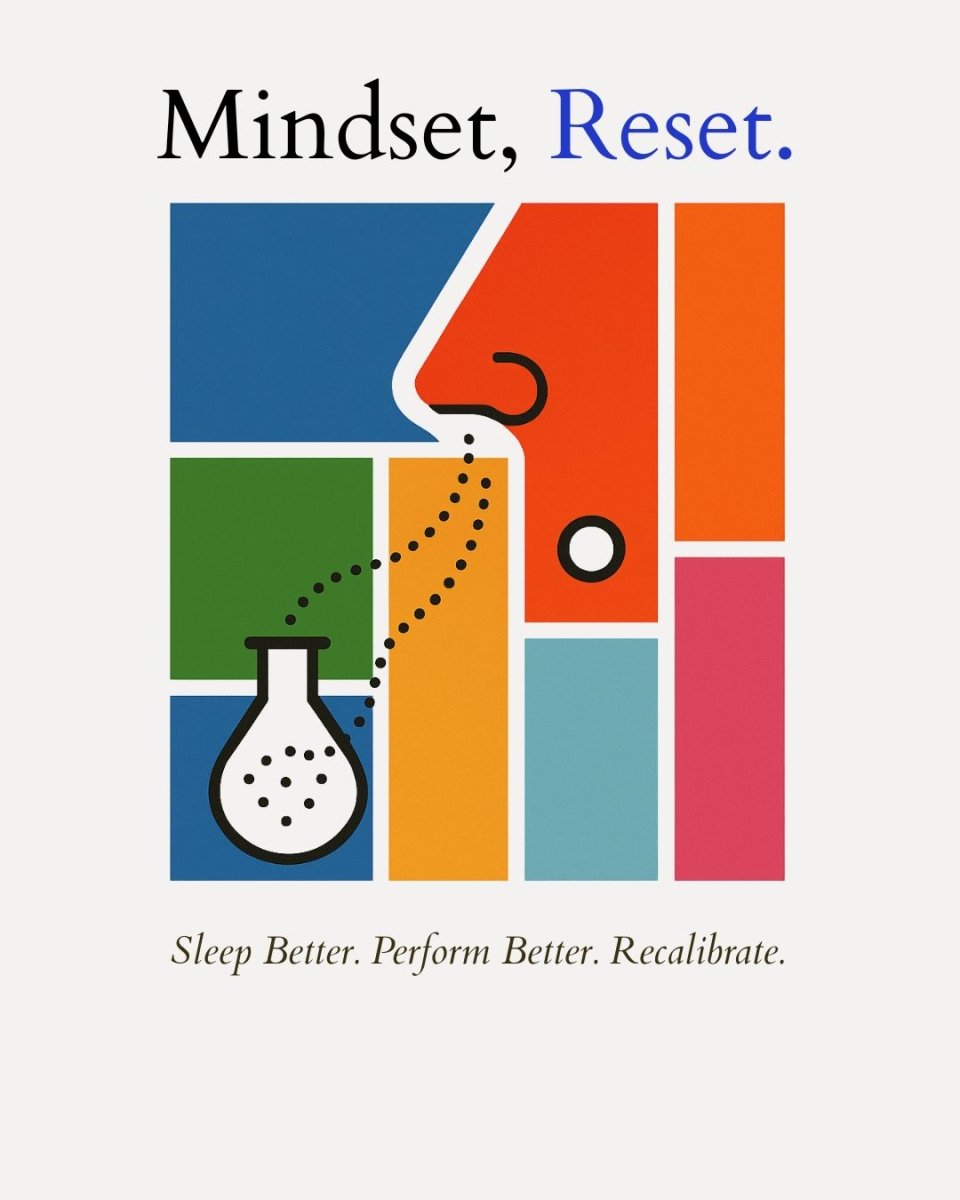
Mindset reset, in this context, is not about interruption. It is about alignment. Creating conditions that allow the body to recalibrate, rather than forcing change.

Why It Matters for Rest
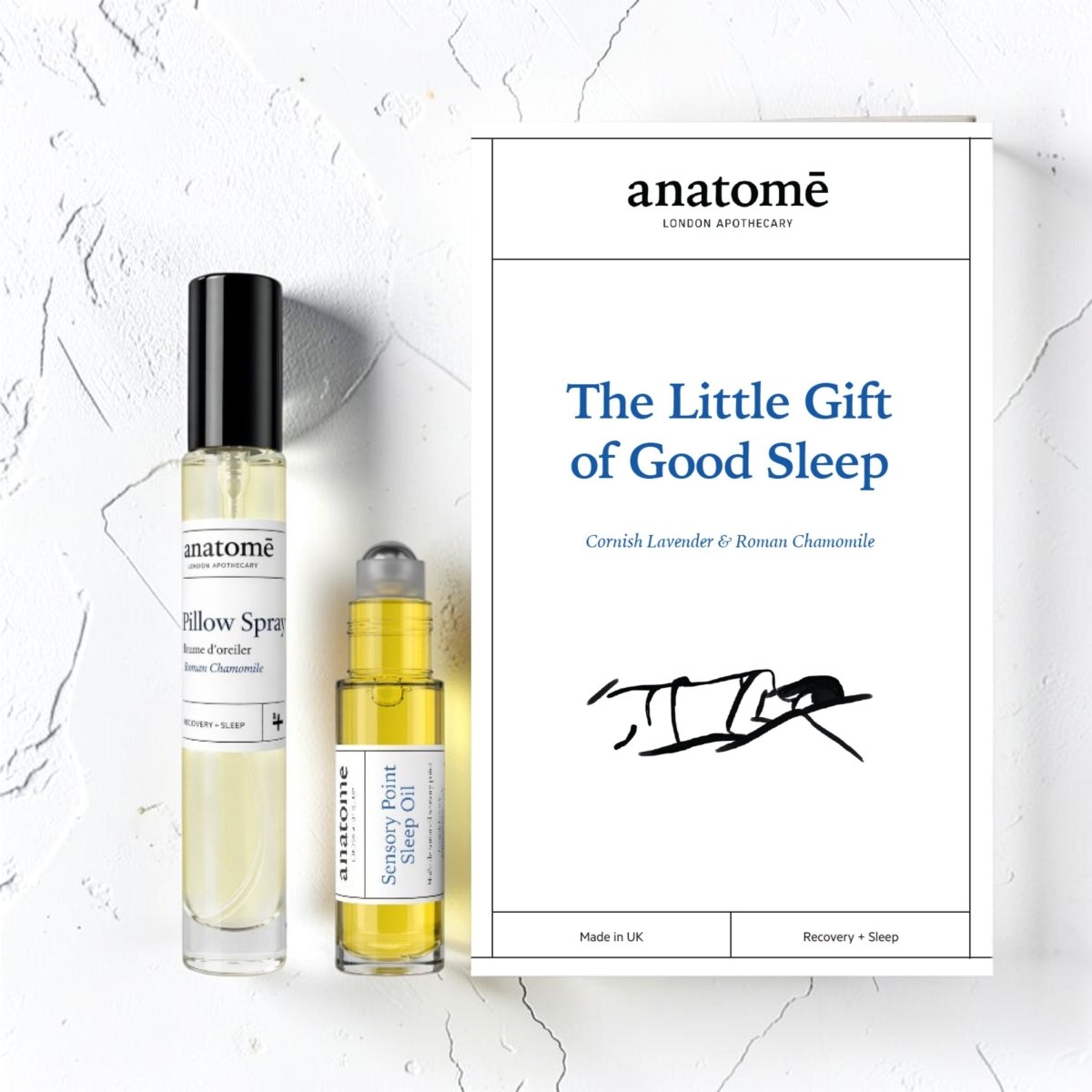
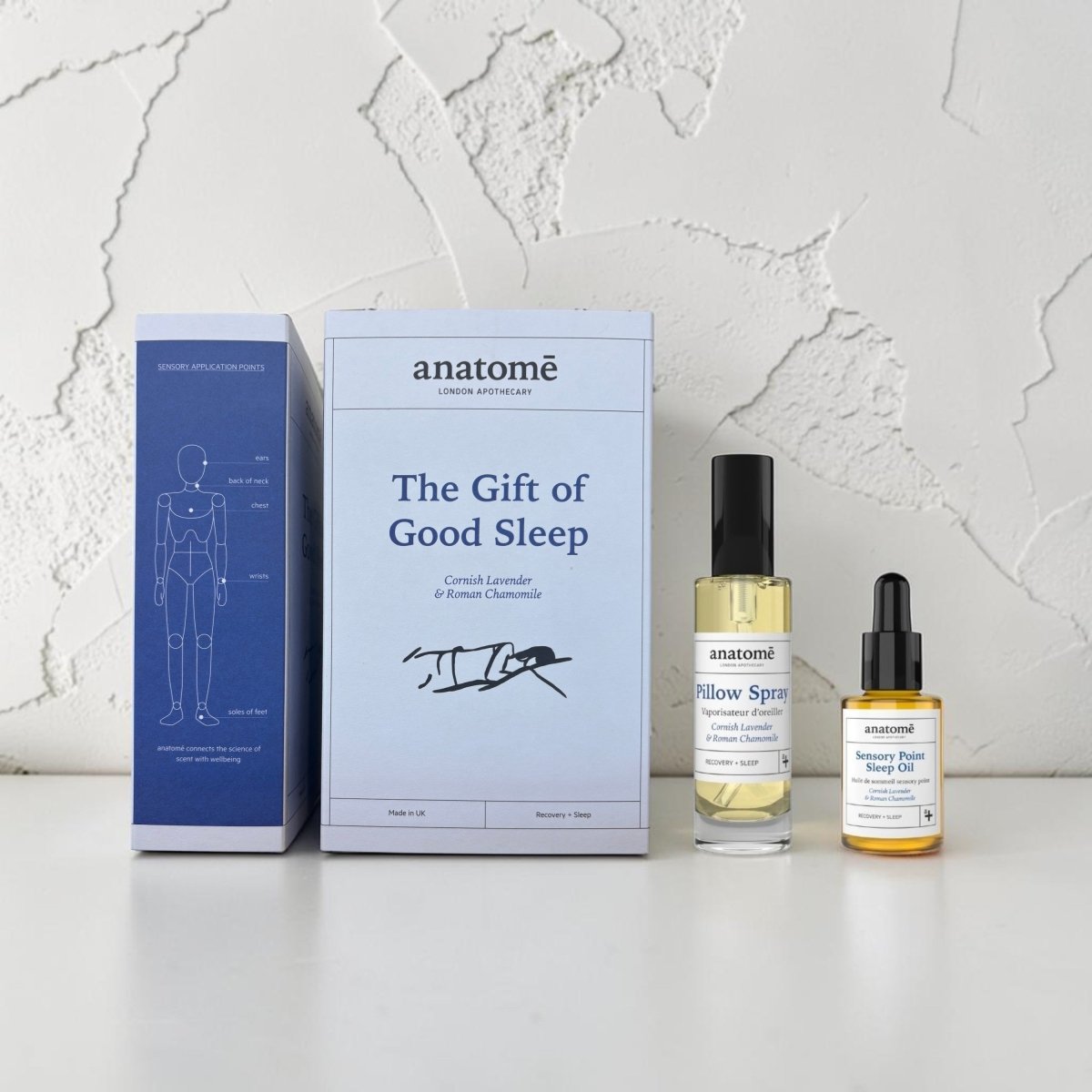
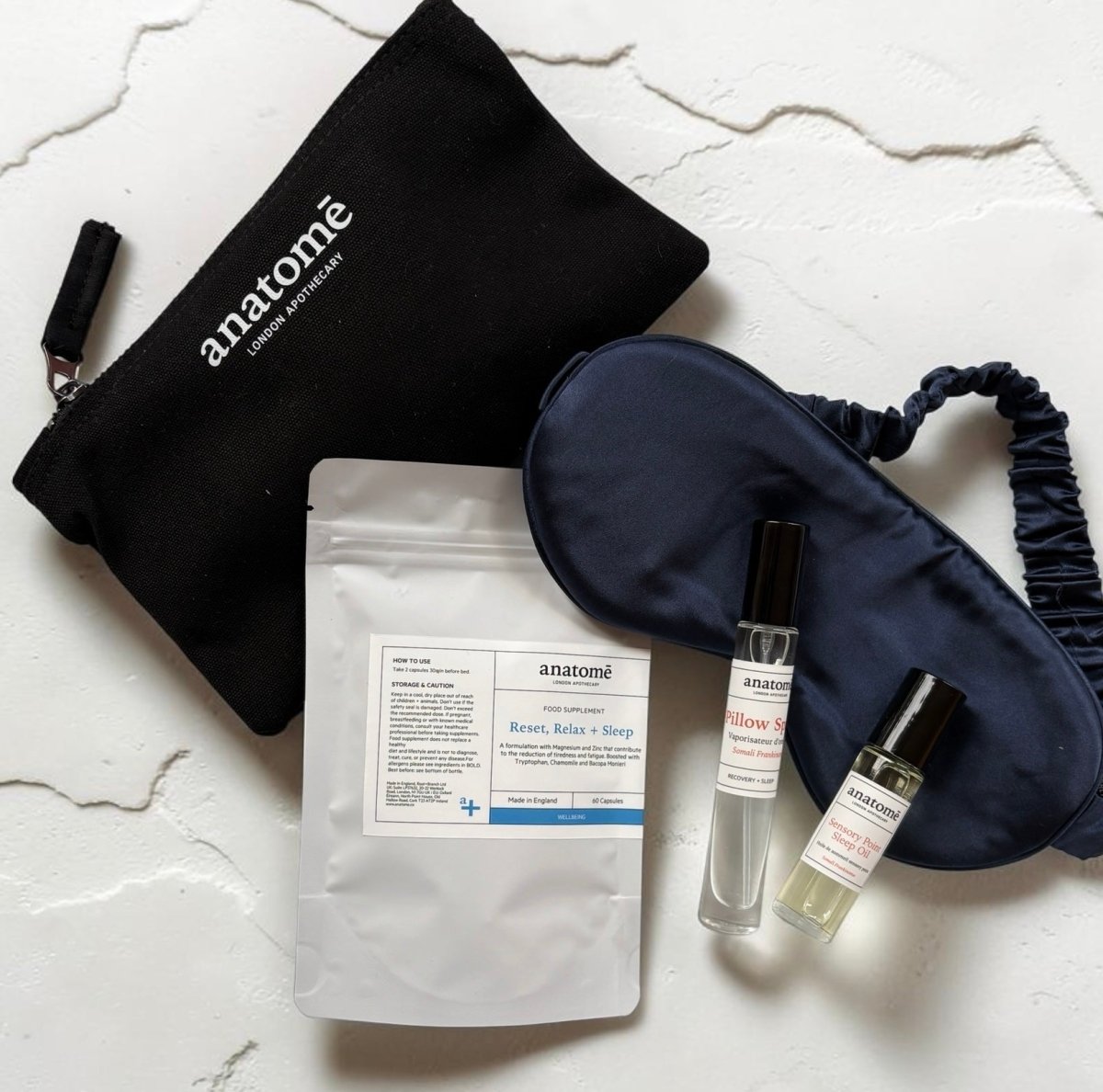
Sleep depends on transition. The body relies on signals to move from alertness into rest, including changes in light, routine, and sensory input. Research suggests that repeated exposure to scent can become part of this signalling process, reinforcing the conditions in which the nervous system can settle.
Used consistently, scent contributes to a stable sensory environment. Over time, association strengthens. Rest becomes easier to access and more reliable. This is regulation rather than intervention.
From Rest to Performance
Quality rest underpins performance. Sleep supports cognitive clarity, emotional resilience, and sustained energy. When recovery is compromised, performance becomes inconsistent.
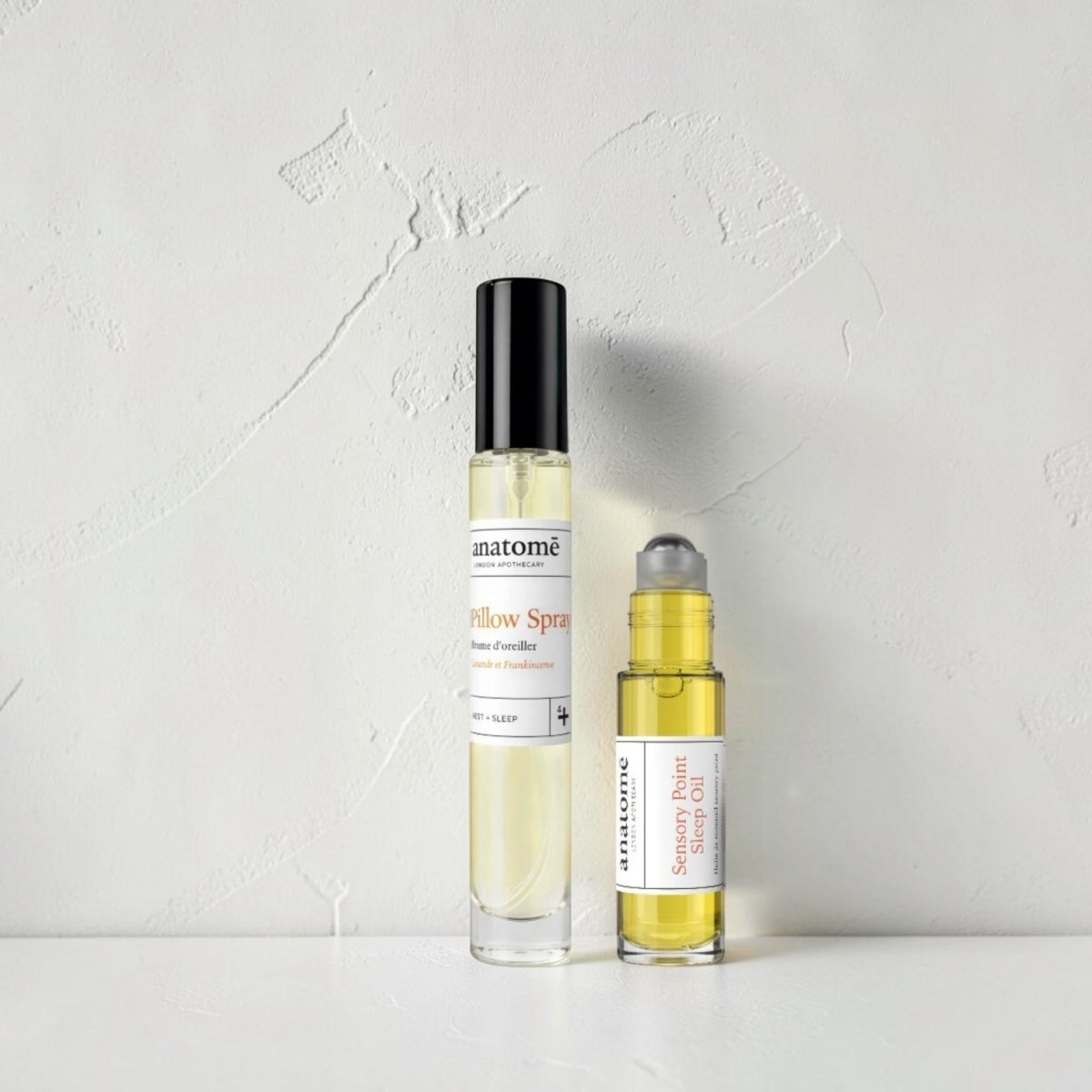
Aromachology helps explain how scent can support this cycle. Evening formulations can reinforce calm and disengagement. Morning scents can support alertness and readiness. These cues do not act in isolation. They work gradually, as part of a wider rhythm shaped by repetition and use.

Mindset, Reset
A mindset reset is shaped by conditions.
Rest that is supported.
Rituals that are repeated.
Signals the body learns to recognise.
Aromachology provides a framework for understanding why scent can play a role in this process. Not as a solution in itself, but as a quiet, consistent presence. One that supports rest, renewal, and performance over time.
Nothing to overhaul.
Just space to reset.
