





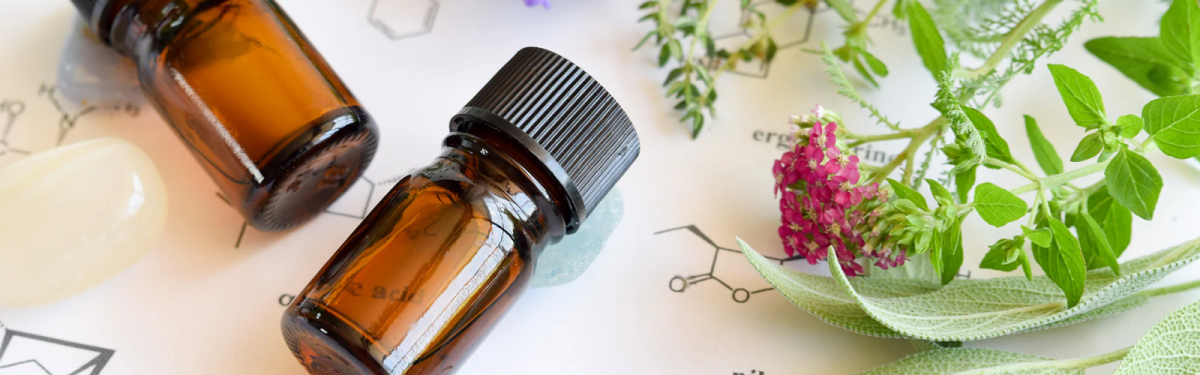
Essential oils don't last forever, and using expired oils can reduce their therapeutic benefits or cause skin irritation. Their shelf life varies dramatically based on the plant source and chemical makeup. Some oils remain potent for years while others degrade within months. Knowing these differences prevents waste and protects your skin from oxidised compounds.
Most essential oils last 1 to 6 years, depending on their chemical composition, storage conditions, and exposure to air and light. Understanding shelf life helps you get maximum value from your investment and ensure safe, effective aromatherapy.
Why Shelf Life Matters for Essential Oils?
Essential oil shelf life directly affects both safety and effectiveness. Fresh oils deliver the therapeutic benefits you expect, like calming lavender or energising peppermint. Once oils expire, their chemical structure changes, reducing potency and potentially causing adverse skin reactions.
Using expired oils wastes money since they no longer provide the aromatherapy benefits you purchased them for. Oxidised oils can irritate skin, trigger allergic reactions, or smell unpleasant. Tracking shelf life ensures every drop delivers the quality and safety you deserve.
Beyond personal use, expired oils compromise product quality if you create homemade skincare, candles, or cleaning solutions. Professional aromatherapists and wellness practitioners must monitor oil freshness to maintain client safety and treatment effectiveness.
What Causes Essential Oils to Expire?
Oxidation is the primary culprit behind essential oil degradation. When oils contact oxygen, their molecular structure breaks down, creating new compounds that smell rancid and can irritate skin. This process accelerates with heat, light, and repeated bottle opening.
Main factors that cause expiration:
- Oxygen exposure from opening bottles frequently
- UV light breaks down chemical bonds
- Heat accelerates molecular breakdown
- Contamination from dirty droppers or fingers
- Time naturally degrades volatile compounds
Citrus oils contain high levels of limonene, a compound particularly susceptible to oxidation. This explains why lemon and orange oils expire faster than woody oils like sandalwood. Understanding these chemical differences helps you prioritise which oils to use first.
Typical Shelf Life by Oil Type
Different essential oil categories have vastly different lifespans based on their chemical composition. Grouping oils by type helps you manage inventory and use the most vulnerable oils before they degrade.
Quick Reference: Essential Oil Shelf Life by Type
|
Oil Category |
Typical Shelf Life |
Examples |
|
Citrus |
1 to 2 years |
Lemon, Orange, Grapefruit, Bergamot |
|
Woody & Resinous |
4 to 8 years |
Cedarwood, Patchouli, Sandalwood, Frankincense |
|
Floral |
2 to 4 years |
Lavender, Rose, Ylang Ylang, Geranium |
|
Minty & Herbal |
2 to 3 years |
Peppermint, Eucalyptus, Tea Tree, Rosemary |
|
Carrier Oils |
6 months to 2 years |
Sweet Almond, Grapeseed, Rosehip |
1. Citrus Oils (Lemon, Orange, Grapefruit)
Citrus essential oils typically last 1 to 2 years from opening. Their high limonene content makes them extremely vulnerable to oxidation, especially after exposure to air and light. These oils are steam-distilled or cold-pressed from fruit peels, preserving fresh but fragile compounds.
Store citrus oils in the refrigerator after opening to extend their life by several months. The cold temperature slows oxidation dramatically. Always check the scent before using citrus oils older than 18 months, as they develop a turpentine-like smell when oxidised.
Common citrus oils and their shelf life:
- Lemon: 1 to 2 years
- Sweet Orange: 1 to 2 years
- Grapefruit: 1 to 2 years
- Bergamot: 1 to 2 years
- Lime: 1 to 2 years
Shocking Fact:
Citrus oils can start degrading within 6 months if stored improperly. A bottle left in a warm bathroom loses therapeutic value twice as fast as one stored in a cool, dark cabinet.
2. Woody & Resinous Oils (Cedarwood, Patchouli, Sandalwood)
Woody and resinous essential oils last 4 to 8 years, making them the longest-lasting oils in your collection. These oils contain sesquiterpenes and other stable compounds that resist oxidation. Some actually improve with age, developing richer, more complex aromas.
Patchouli oil is famous for ageing like fine wine. Many aromatherapists prefer patchouli that's been stored for 2 to 3 years because it mellows and becomes smoother. Sandalwood similarly develops deeper, woodier notes over time.
Longevity of woody and resinous oils:
- Cedarwood: 5 to 6 years
- Patchouli: 6 to 8 years
- Sandalwood: 6 to 8 years
- Frankincense: 4 to 6 years
- Myrrh: 4 to 6 years
3. Floral Oils (Lavender, Rose, Ylang Ylang)
Floral essential oils generally last 2 to 4 years when stored properly. These oils balance between citrus volatility and woody stability. Their shelf life depends heavily on the extraction method and storage conditions.
Lavender oil remains one of the most stable floral oils, lasting 3 to 4 years due to its linalool and linalyl acetate content. Rose absolute lasts longer than rose essential oil because the extraction process produces more stable compounds. Ylang ylang falls in the middle at 2 to 3 years.
Floral oils develop musty or hay-like odours when they start degrading. Fresh lavender smells sweet and herbaceous, while expired lavender smells flat or slightly sour. Trust your nose and replace oils that smell off.
Shelf life of common floral oils:
- Lavender: 3 to 4 years
- Rose: 4 to 5 years for absolute, 2 to 3 years for essential oil
- Ylang Ylang: 2 to 3 years
- Geranium: 2 to 3 years
- Chamomile: 3 to 4 years
Smart Tip:
Buy floral oils in smaller bottles if you don't use them frequently. A 5-millilitre bottle used within a year maintains better quality than a 30-millilitre bottle that sits half full for 3 years.
4. Minty & Herbal Oils (Peppermint, Eucalyptus, Tea Tree)
Minty and herbal essential oils last 2 to 3 years on average. These oils contain monoterpenes like menthol and eucalyptol that provide their characteristic scents but oxidise moderately fast. They're more stable than citrus but less stable than woody oils.
Peppermint oil maintains its sharp, cooling scent for about 3 years before the menthol content degrades. Tea tree oil lasts 2 to 3 years but becomes more likely to cause skin sensitivity as it oxidises. Eucalyptus oils vary by species, with Eucalyptus globulus lasting around 2 years.
Typical shelf life for minty and herbal oils:
- Peppermint: 3 to 4 years
- Eucalyptus: 2 to 3 years
- Tea Tree: 2 to 3 years
- Rosemary: 2 to 3 years
- Thyme: 2 to 3 years
5. Carrier Oils vs. Pure Essential Oils
Carrier oils have dramatically shorter shelf lives than pure essential oils, typically lasting 6 months to 2 years. These vegetable oils contain fatty acids that go rancid quickly when exposed to oxygen, heat, or light. Rancid carrier oils smell like old cooking oil and should never be applied to skin.
Common carrier oil shelf life:
- Jojoba oil: 3 to 5 years due to its wax ester structure
- Fractionated coconut oil: 2 to 3 years with good stability
- Sweet almond oil: 1 to 2 years
- Grapeseed oil: 6 months to 1 year
- Rosehip oil: 6 months to 1 year
Pure essential oils without carrier oils last significantly longer because they don't contain fatty acids. A bottle labelled as diluted essential oil will expire based on the carrier oil timeline, not the essential oil timeline. Always check labels to know what you're storing.
Pro-Tip:
Refrigerate carrier oils after opening to extend shelf life. Unlike essential oils that may become cloudy or thick when chilled, most carrier oils return to normal consistency at room temperature. This simple step can double the usable life of expensive carrier oils like rosehip or argan.
Key Factors Affecting Longevity
Storage conditions determine whether your essential oils last their full expected lifespan or degrade prematurely. Even the most stable oils deteriorate quickly under poor conditions. Small changes in how you handle and store oils make massive differences.
-
Exposure to Light, Air, and Heat
Light, air, and heat form the triangle of essential oil degradation. UV rays from sunlight or fluorescent bulbs break molecular bonds, while heat speeds up chemical reactions. Oxygen exposure during storage or use initiates the oxidation process that ruins oils.
Store all essential oils in dark glass bottles, preferably amber or cobalt blue. Clear glass offers zero protection from light damage. Keep bottles in dark cabinets or drawers away from windows, never on open shelves where sunlight reaches them.
Temperature fluctuations stress essential oils and accelerate breakdown. A bathroom medicine cabinet experiences temperature swings from hot showers, making it the worst storage location. Choose cool, stable environments like bedroom closets or kitchen cabinets far from the stove.
-
The Role of Oxidation
Oxidation transforms essential oil chemistry from beneficial to potentially harmful. Fresh tea tree oil contains terpinen-4-ol, its primary therapeutic compound. Oxidised tea tree oil develops high levels of ascaridole and other compounds that cause contact dermatitis even in people who normally tolerate tea tree well.
The oxidation process accelerates exponentially once it begins. An oil might seem fine for 2 years, then suddenly deteriorate in weeks. This happens because initial oxidation creates free radicals that trigger chain reactions, breaking down remaining molecules rapidly.
Minimise oxidation by:
- Keeping bottles tightly sealed when not in use
- Avoiding touching dropper tips or bottle openings with fingers
- Never leaving caps off for extended periods
- Buying sizes you'll use within the oil's typical shelf life
Mind-Blowing Reality:
Opening and closing your essential oil bottle introduces fresh oxygen each time, restarting oxidation. A bottle opened 50 times over a year oxidises faster than a bottle opened 10 times, even if both contain the same amount of oil.
-
Additives and Blends
Pre-blended essential oils with carrier oils expire based on the carrier oil's shelf life, not the essential oils. A blend of lavender in sweet almond oil lasts 1 to 2 years maximum, even though pure lavender oil lasts 3 to 4 years.
Essential oil blends without carrier oils last as long as their most vulnerable component. A blend of lavender, cedarwood, and lemon expires in 1 to 2 years because of the lemon, despite the other oils lasting much longer.
How to Maximise Essential Oil Lifespan?
Proper storage practices can double or triple your essential oils' useful life. These techniques require minimal effort but protect your investment and ensure safe, effective aromatherapy for years.
Best Bottling and Storage Practices
Dark glass bottles with tight-sealing caps provide essential protection against light and air exposure. Amber and cobalt blue glass filter UV rays that degrade oils. Never store essential oils in plastic bottles long-term, as oils can break down plastic and leach chemicals.
Optimal storage containers:
- Amber glass bottles with phenolic caps or euro droppers
- Cobalt blue glass for aesthetic display in dark locations
- Stainless steel bottles for travel, though glass remains ideal
- Small bottles (5 to 15 millilitres) for frequently used oils
Replace dropper inserts every 1 to 2 years as rubber components degrade and allow more air into bottles. Phenolic caps with cone-shaped inner liners create better seals than standard screw caps.
Store bottles upright rather than on their sides to minimise oil contact with caps and seals. This prevents slow degradation of closure materials and maintains airtight seals longer.
Label bottles with purchase or opening dates using a permanent marker or labels. Track when each oil entered your collection so you know exactly how old it is. This simple habit prevents using oils past their prime.
Ideal Temperature and Environment
Store essential oils at 35 to 80 degrees Fahrenheit for optimal longevity. Cooler temperatures slow chemical reactions and oxidation. Many aromatherapists refrigerate citrus oils and other fast-oxidising varieties.
Avoid these storage mistakes:
- Bathrooms with temperature and humidity fluctuations
- Kitchen windowsills with direct sunlight and heat
- Cars where temperatures reach extreme highs
- Near heating vents or radiators
- In purses or bags exposed to body heat
A bedroom closet, pantry, or dedicated cabinet in a climate-controlled room provides ideal conditions. Some people use mini refrigerators exclusively for essential oil storage, especially if they live in hot climates or own large collections.
When refrigerating oils, let them return to room temperature before opening to prevent condensation inside bottles. Water contamination can promote bacterial growth and accelerate degradation.
Smart Move:
Create a dedicated essential oil storage box or cabinet in a cool, dark location. Line it with labels showing each oil's typical shelf life. This organisation system helps you rotate stock and use vulnerable oils before they expire.
Recognising Expired Oils: Signs and Symptoms
Your nose provides the first warning that essential oils have expired. Fresh oils smell vibrant and characteristic of their source. Expired oils develop off-notes like mustiness, sourness, or chemical odours, completely different from their original scent.
Visual and textural changes indicating expiration:
- Cloudiness in previously clear oils
- Thicker or thinner consistency than when new
- Colour darkening or lightening significantly
- Sediment or particles floating in the oil
- Separated layers in oils that were previously uniform
Lavender that smells musty instead of floral has oxidised. Lemon oil with a turpentine-like chemical smell has degraded. Tea tree oil that smells sharp and harsh rather than medicinal has likely oxidised and may irritate skin.
Test questionable oils by placing a single drop on a clean cotton pad. Fresh oils smell pure and pleasant. Expired oils smell off immediately or develop unpleasant odours as they evaporate from the cotton.
Warning:
When in doubt, throw it out. The cost of replacing questionable oil is minimal compared to potential skin reactions or wasted time using ineffective oils. Your safety and aromatherapy experience depend on oil quality.
Bottom Line
Maximising essential oil shelf life comes down to controlling exposure to oxygen, light, and heat while tracking age carefully. Store oils in dark glass bottles with tight seals in cool, stable environments away from bathrooms and sunlight. Buy sizes you'll realistically use within each oil's expected lifespan, choosing smaller bottles for oils you use infrequently.
Label bottles with purchase dates, use citrus oils within 2 years, and check older oils regularly for scent or appearance changes. These simple practices protect your investment and ensure every application delivers safe, effective aromatherapy.
Worrying about whether your oils are still fresh enough to deliver real results? Anatomē sources the highest quality essential oils and formulates them into ready-to-use blends with clearly marked dates and optimal storage guidance. Each product arrives fresh with detailed information about expected longevity and proper care.
You'll never wonder if your oils have lost potency or become unsafe because anatomē's expert formulations balance multiple oil types for both effectiveness and stability. From sleep-enhancing blends to focus-boosting formulas, every bottle delivers consistent quality and transparent information about freshness.
Important FAQs
Q1. How should I store my oils?
Store essential oils in dark glass bottles with tight caps in cool, dark locations away from heat and sunlight. Keep bottles upright in a cabinet or drawer with stable temperatures between 35 to 80 degrees Fahrenheit for maximum longevity.
Q2. How do I know if my oils have turned?
Essential oils have expired if they smell different from when new, develop a cloudy appearance, change colour significantly, or cause unexpected skin irritation. Trust your nose as the first indicator, then check for visual changes before deciding whether to keep or discard.
Q3. Do some oils last longer than others?
Yes, woody and resinous oils like sandalwood and patchouli last 4 to 8 years, while citrus oils expire within 1 to 2 years. Oil longevity depends on chemical composition, with stable sesquiterpenes lasting longer than volatile monoterpenes that oxidise quickly.
Q4. What happens if I use an expired oil?
Using expired oils topically increases the risk of skin irritation, allergic reactions, or contact dermatitis. Oxidised citrus oils may cause photosensitivity. For diffusion, expired oils simply smell unpleasant and provide no therapeutic benefits, but pose minimal harm without skin contact.


Leave a comment