
















Light sleep happens when your brain stays partially alert during the night, causing you to wake at the smallest disturbance. A door closing, your partner shifting, or even a distant car horn pulls you right out of sleep.
You're not imagining it. Some people genuinely wake more easily than others. Research shows that differences in brain activity, stress levels, environment, and even genetics determine how deeply you sleep.
Deep sleep is when your body repairs tissues, consolidates memories, and releases growth hormones. Without enough of it, you wake up tired, no matter how many hours you spent in bed. Over time, chronic light sleep affects your mood, focus, immune function, and overall health.
Light vs Deep Sleep: What's the Difference?
Light sleep is the transitional stage where you're easily woken, while deep sleep is the restorative phase your body needs for physical recovery and memory consolidation.
Light Sleep
Light sleep includes stages 1 and 2 of non-REM sleep. Your brain waves slow down, but you remain somewhat aware of your surroundings. Most people spend about half of the night in light sleep. It's normal and necessary, but spending too much time here means missing out on the benefits of deeper stages.
During light sleep, your heart rate drops slightly, and your muscles relax. However, sounds, temperature changes, or movement can easily wake you. This is why light sleepers often feel like they never truly "switched off."
Deep Sleep
Deep sleep (stage 3 non-REM, also called slow-wave sleep) is when your brain produces delta waves. Your body is almost completely still, breathing slows dramatically, and waking you becomes difficult. This stage typically happens more in the first half of the night.
Deep sleep is critical. It's when human growth hormone is released, tissues repair, and the brain clears metabolic waste. Missing deep sleep leaves you groggy, mentally foggy, and more vulnerable to illness.
Shocking Fact: Adults need about 1.5 to 2 hours of deep sleep per night for optimal health. Yet studies show that many people, especially those over 40, get less than an hour, which explains chronic fatigue even after 8 hours in bed.
What Causes Light Sleep?
Light sleep results from a combination of genetics, stress, age, environment, lifestyle habits, and sometimes underlying sleep disorders. Understanding your specific triggers is the first step to sleeping more deeply.
-
Genetics and Your "Built-In" Sleep Sensitivity
Some people are born light sleepers. Research shows that variations in genes affecting neurotransmitters like adenosine and GABA influence how easily the brain transitions between sleep stages. Studies on twins confirm that sleep architecture has a heritable component.
Your brain's arousal threshold, the level of stimulus needed to wake you, is partly genetic. People with lower thresholds wake at quieter sounds. This doesn't mean you're stuck, but it does mean you may need to work harder on environmental controls.
-
Hyper-Alert Brain: Stress, Anxiety, and Racing Thoughts
Chronic stress keeps your nervous system in "fight or flight" mode. Elevated cortisol and adrenaline make your brain hypervigilant, scanning for threats even during sleep. The result? You hover in light sleep stages, ready to wake at any signal.
Anxiety and racing thoughts at bedtime compound this. When your mind won't shut off, your brain struggles to descend into deeper sleep stages. This creates a frustrating cycle, as poor sleep increases anxiety, which further disrupts sleep.
-
Age and Hormonal Changes That Thin Out Deep Sleep
Deep sleep naturally declines with age. By your 40s and 50s, you may get 60% less deep sleep than you did in your 20s. Hormonal shifts during menopause and andropause accelerate this decline.
Older adults also experience more nighttime awakenings from pain, bathroom trips, and temperature regulation issues. These interruptions fragment sleep and reduce time spent in restorative stages.
-
Environment and Lifestyle That Keep You in Light Sleep
Your bedroom environment directly impacts sleep depth. Common culprits include:
- Noise: Traffic, snoring partners, pets, or appliances
- Light: Streetlights, electronics, or early sunrise
- Temperature: Rooms that are too warm or too cold
- Partner movement: Mattress transfer from a restless sleeper
- Late caffeine: Coffee within 6 hours of bedtime
- Alcohol: Disrupts sleep architecture despite initial drowsiness
- Irregular schedule: Shifting bedtimes confuses your circadian rhythm
- Screen use: Blue light suppresses melatonin production
-
Hidden Sleep Disorders That Block Deep Sleep
Sometimes, light sleep signals an underlying condition. Sleep apnea causes repeated breathing interruptions that pull you out of deep sleep, often without you realising it. Restless legs syndrome and periodic limb movement disorder create micro-awakenings throughout the night.
Chronic insomnia keeps the brain in a state of hyperarousal, preventing descent into deeper stages. If you've tried everything and still sleep lightly, a sleep disorder may be the hidden cause.
-
Medications and Substances That Disrupt Deep Sleep
Certain medications interfere with sleep architecture:
- Some antidepressants: SSRIs, can reduce deep sleep
- Beta-blockers: May suppress melatonin and fragment sleep
- Stimulants: ADHD medications can delay sleep onset
- Corticosteroids: Increase alertness and disrupt sleep stages
- Nicotine: A stimulant that causes lighter, fragmented sleep
- Alcohol: Reduces REM and deep sleep in the second half of the night
If you suspect medication is affecting your sleep, talk to your doctor. Also, never stop prescribed medications without guidance.
Why Your Brain Wakes So Easily?
Your brain has built-in systems that either protect sleep or promote wakefulness, and imbalances in these systems cause light sleeping.
Brain Arousal Systems (Spindles, Histamine, and Orexin)
Sleep spindles are bursts of brain activity that act like a shield, blocking external sounds from waking you. Research shows that people who produce more sleep spindles sleep through noise better. Fewer spindles mean a more fragile sleep state.
Histamine and orexin are neurotransmitters that promote wakefulness. When these systems are overactive due to stress, allergies, or certain medications, they keep your brain on alert even during sleep. This explains why antihistamines cause drowsiness: they temporarily suppress the wake-promoting histamine system.
Over-Responsive to Noise, Light, and Movement
An over-vigilant brain treats minor signals as threats. A phone buzzing, a partner rolling over, or a car passing outside triggers a "wake up and check" response. This was useful for our ancestors in avoiding predators. It's less helpful in modern bedrooms.
This hyperresponsiveness often develops after periods of stress, trauma, or new parenthood. The brain learns to stay alert, and breaking this pattern requires deliberate intervention.
When Light Sleep Is Normal vs When It's a Problem
Light sleep is expected in certain situations:
- New parents: Biologically wired to wake at baby sounds
- Acute stress: Job interview tomorrow, sick family member
- Travel: Unfamiliar environment triggers alertness
- Illness: The body stays alert during recovery
However, light sleep becomes a problem when it's chronic. Signs include constant fatigue despite adequate sleep time, difficulty concentrating, mood changes, and reliance on caffeine to function. If light sleep persists beyond temporary stressors, it's worth investigating further.
Pro Tip: Keep a sleep diary for two weeks, noting bedtime, wake time, awakenings, and how rested you feel. Patterns often reveal specific triggers you can address.
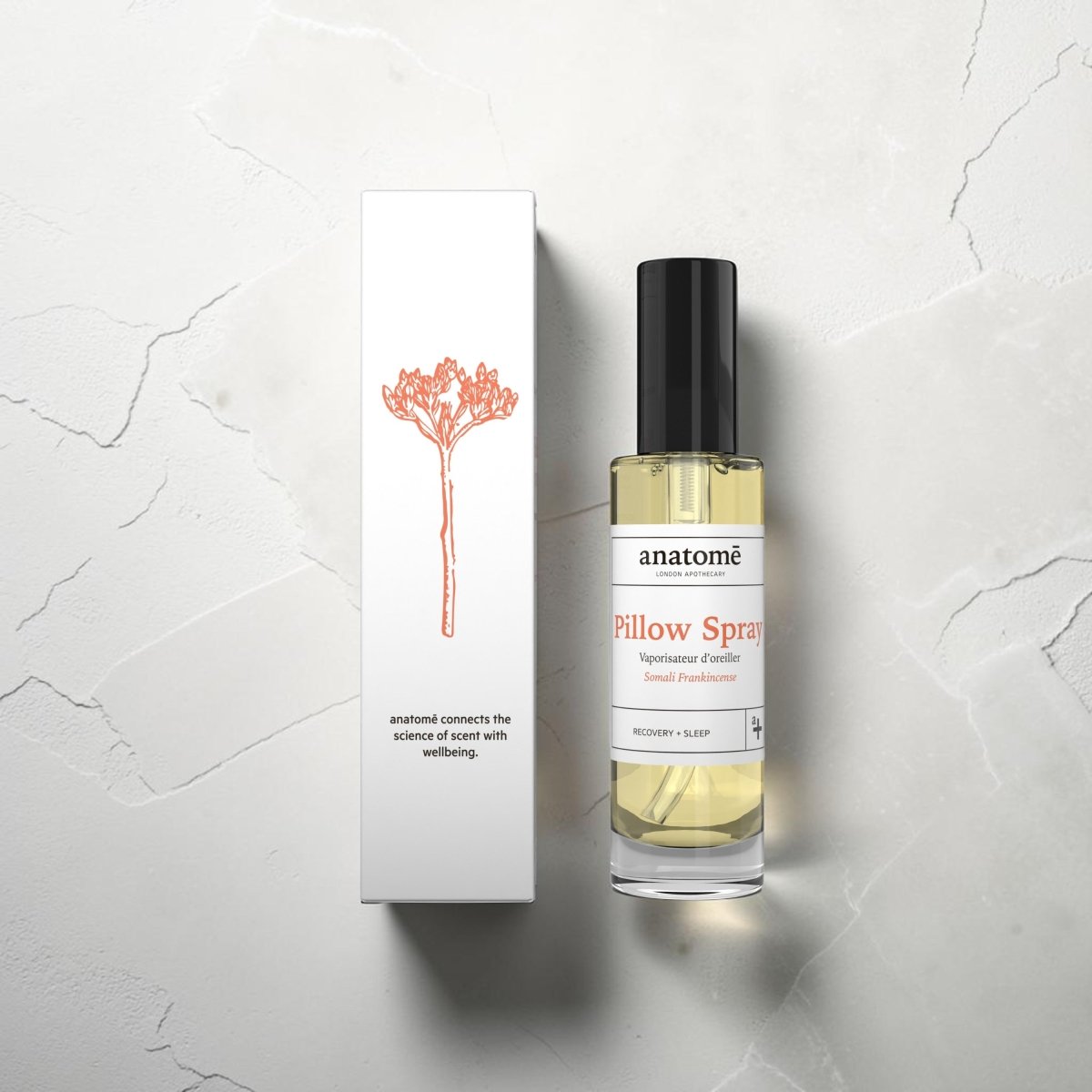
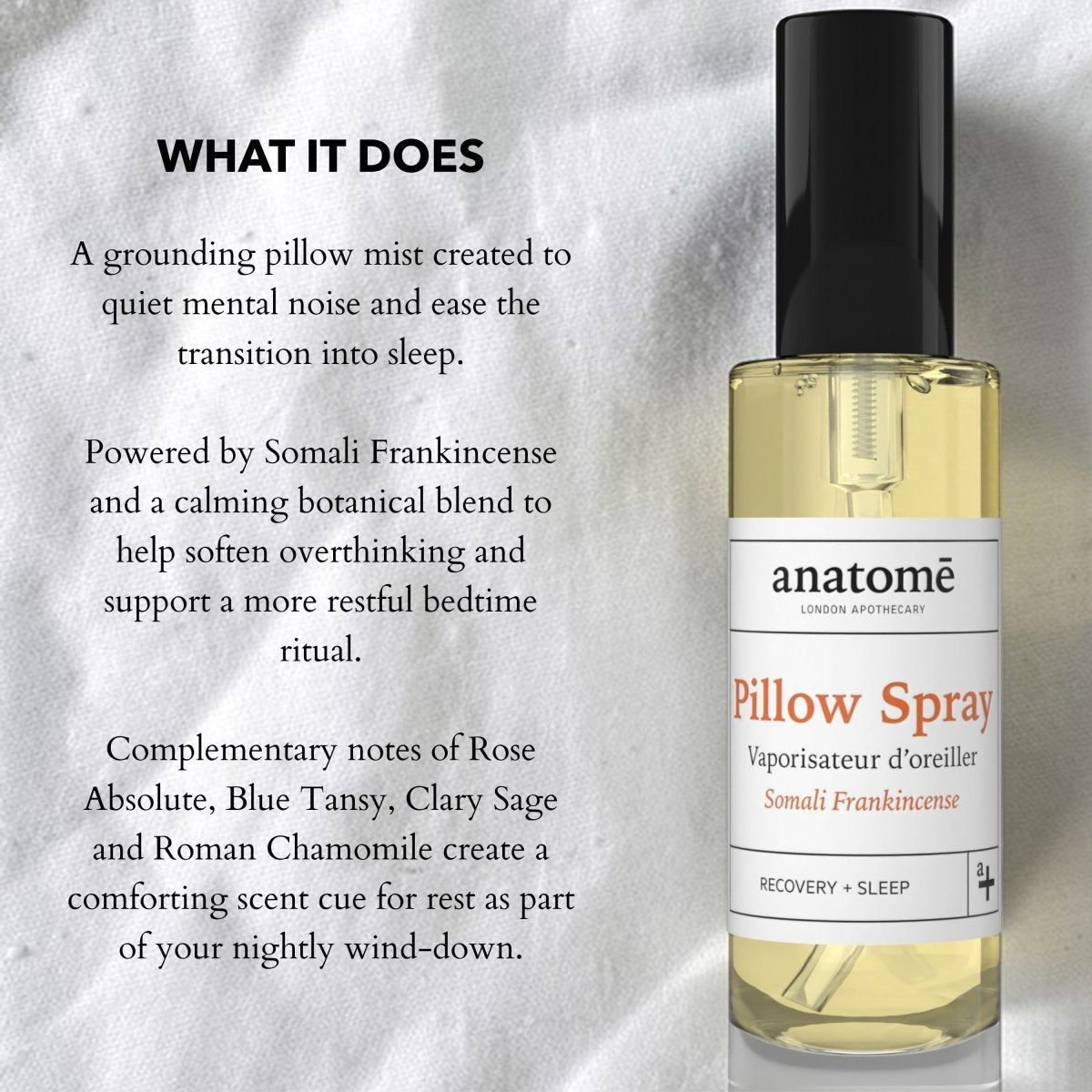
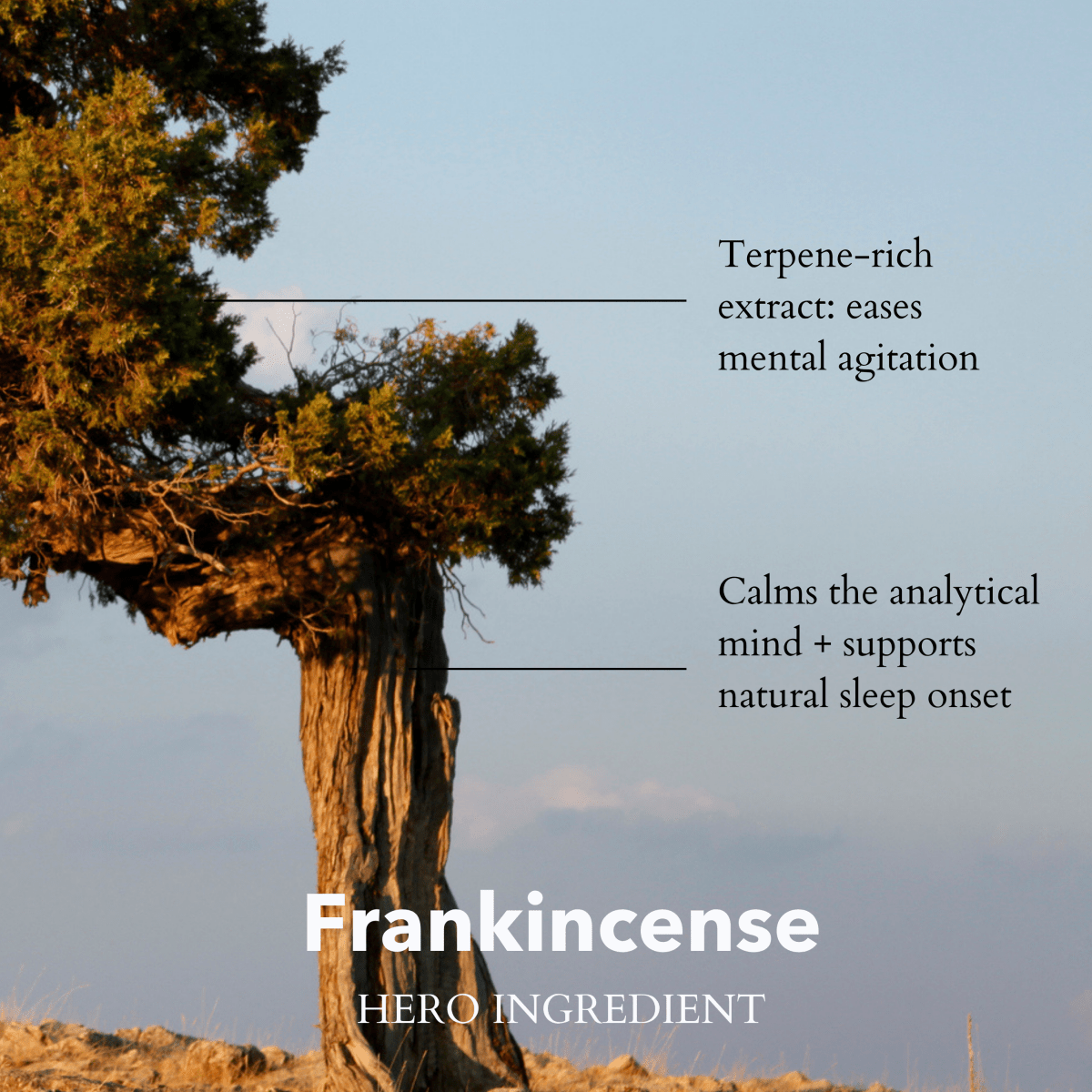
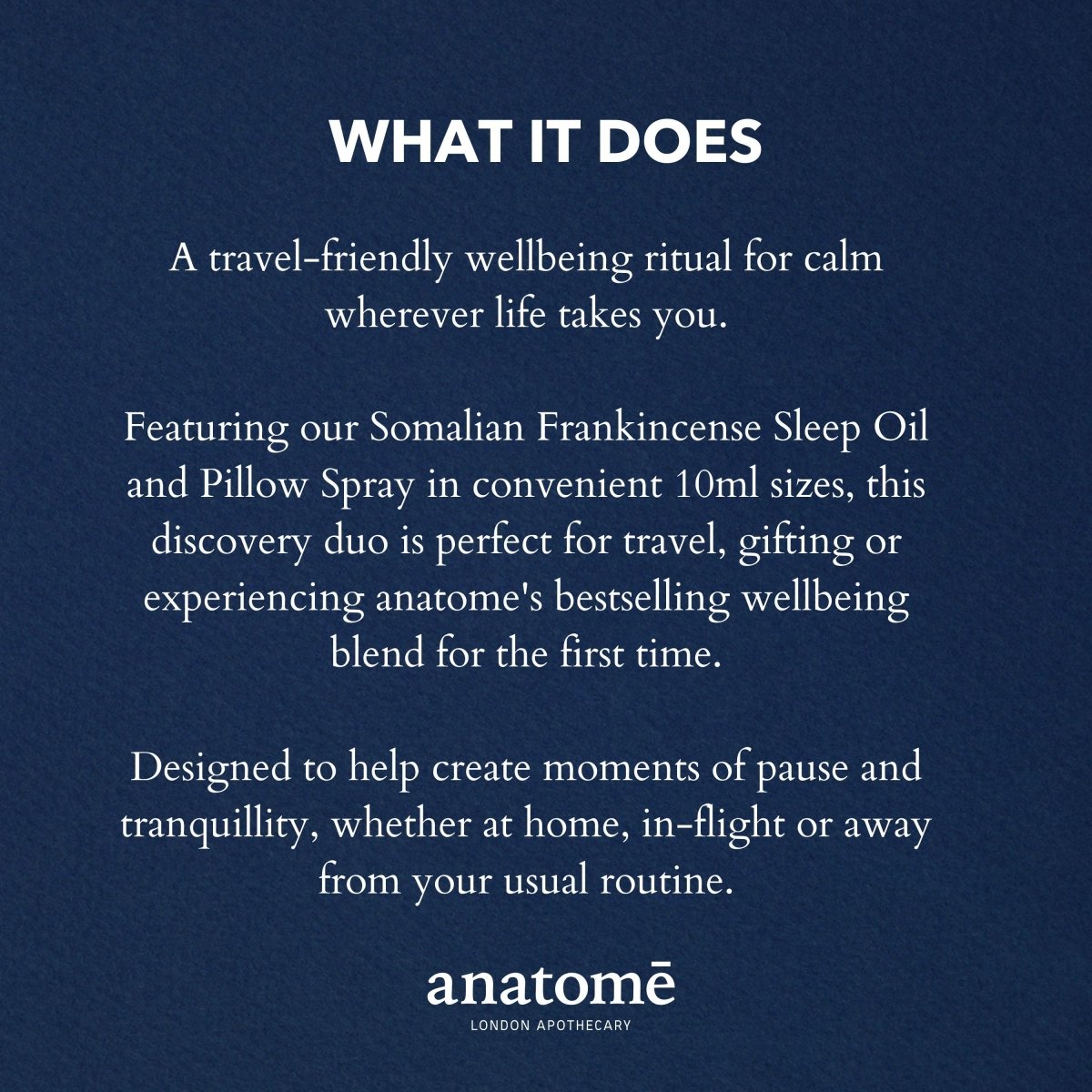
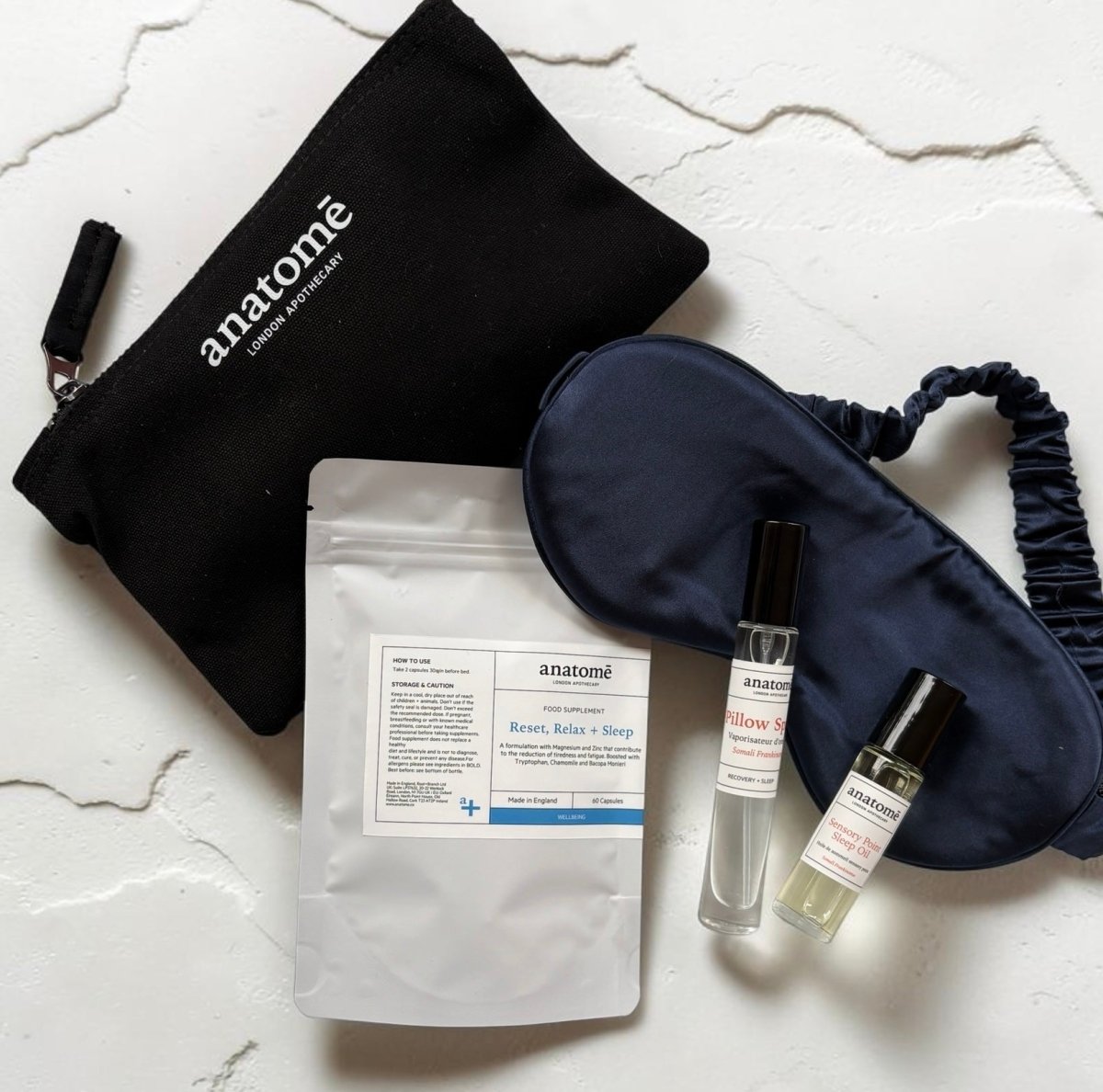
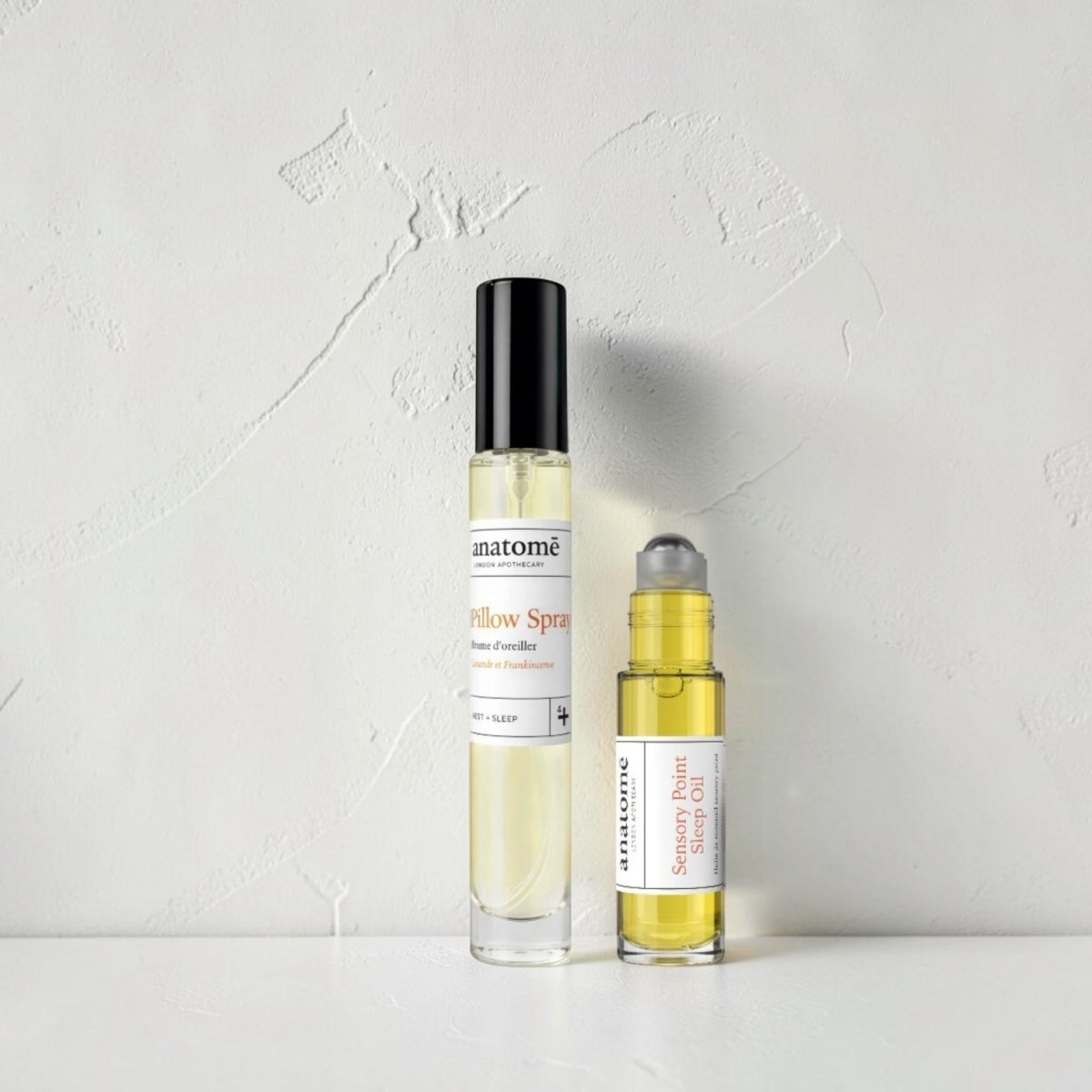
When your brain won't switch off, the right ritual changes everything. Anatomē Overactive Mind Sleep Oil with Somali Frankincense is designed exactly for this, calming mental noise so your brain can finally let go. Pair it with our Somali Frankincense Pillow Spray and turn your bedroom into a sanctuary for deeper rest.
How to Sleep Deeper Tonight?
Improving sleep depth starts with stabilising your schedule, optimising your environment, and calming your nervous system before bed.
Fix Your Sleep Schedule First
Go to bed and wake up at the same time every day, including weekends. Your body's circadian rhythm thrives on consistency. Irregular schedules confuse your internal clock and reduce time spent in deep sleep.
Aim for a window of 30 minutes variation at most. If you currently have wildly different weekend sleep times, adjust gradually by 15-minute increments until you reach consistency.
Build a "Deep-Sleep Friendly" Bedroom
Your environment matters more than you think. Create conditions that support uninterrupted sleep:
- Darkness: Use blackout curtains or a sleep mask
- Cool temperature: Keep the room between 65-68°F (18-20°C)
- Quiet: Try a white noise machine, fan, or earplugs
- Comfortable bedding: Invest in a supportive mattress and pillows
- Partner solutions: Consider separate blankets if movement disturbs you
- Pet boundaries: Keep pets off the bed if they wake you
Cut the Deep-Sleep Killers in the Evening
Timing matters for substances that affect sleep:
- Caffeine: Stop at least 6-8 hours before bed (caffeine's half-life is 5-6 hours)
- Alcohol: Avoid within 3 hours of sleep; it fragments later sleep stages
- Heavy meals: Finish eating 2-3 hours before bed
- Nicotine: Its a stimulant. You must avoid it entirely in the evening
- Intense exercise: Finish vigorous workouts at least 3-4 hours before bed
Calming Your Nervous System Before Bed
A wound-up nervous system can't descend into deep sleep. Build a 30-60 minute wind-down routine:
- Breathing exercises: Try 4-7-8 breathing (inhale 4 counts, hold 7, exhale 8)
- Gentle stretching: Release physical tension from the day
- Journaling: Dump racing thoughts onto paper so your brain can let go
- Warm bath: Raises then drops body temperature, signalling sleep time
- Meditation: Even 10 minutes reduces hyperarousal
Habits That Increase Deep Sleep Over Time
Long-term improvements to sleep depth require consistent habits around exercise, light exposure, breathing, and nutrition.
Move Your Body (But Not Too Late)
Regular exercise increases deep sleep duration. Studies show that people who exercise most days spend more time in slow-wave sleep.
However, timing is important. Vigorous workouts close to bedtime raise core body temperature and adrenaline, making sleep onset harder. Aim to finish intense exercise at least 3-4 hours before bed. Gentle yoga or walking in the evening is fine.
Light, Food, and Screens: Resetting Your Body Clock
Your circadian rhythm responds to light cues:
- Morning sunlight: Get 10-30 minutes of natural light within an hour of waking
- Evening dimming: Lower lights 1-2 hours before bed
- Blue light cutoff: Stop screens 60-90 minutes before sleep, or use blue-light blocking glasses
- Late eating: Avoid heavy meals within 2-3 hours of bedtime; digestion interferes with sleep depth
Breathing, Posture, and Nasal Airflow
How you breathe affects sleep quality. Nasal breathing filters, warms, and humidifies air better than mouth breathing. It also promotes nitric oxide production, which improves oxygen delivery.
If you snore, breathe through your mouth, or wake with a dry throat, addressing airflow can reduce micro-awakenings. Options include nasal strips, mouth tape (with caution), positional therapy, or evaluation for sleep apnea.
Supportive Nutrition and Supplements (With Caution)
Certain nutrients support sleep architecture:
- Magnesium: Supports GABA activity and muscle relaxation
- Melatonin: Helps with sleep timing, especially for jet lag or shift work
- Glycine: An amino acid that may improve sleep quality
- L-theanine: Promotes relaxation without sedation
These are adjuncts, not cures. Quality and dosing matter. Always check with a healthcare provider before starting sleep supplements, especially if you take medications or have health conditions.
Mind-Blowing Fact: A single night of poor sleep can reduce deep sleep the following night by up to 20%, creating a deficit that takes several nights of good sleep to recover.
When to See a Doctor About Light Sleep?
Persistent light sleep despite lifestyle changes may indicate an underlying sleep disorder requiring professional evaluation.
Red-Flag Symptoms You Shouldn't Ignore
See a doctor if you experience:
- Loud snoring, gasping, or choking during sleep
- Restless, jerking, or kicking legs at night
- Inability to fall or stay asleep despite trying for months
- Overwhelming daytime sleepiness affecting work or driving
- Waking unrefreshed, no matter how long you sleep
- Morning headaches or dry mouth
Tests and Evaluations for Chronic Light Sleep
A sleep specialist may recommend:
- Detailed sleep history: Patterns, habits, symptoms, medical conditions
- Sleep diary or actigraphy: Tracking sleep-wake patterns over time
- Polysomnography (sleep study): Overnight monitoring of brain waves, breathing, heart rate, and movement
- Home sleep apnea test: Simplified screening for obstructive sleep apnea
- Blood tests: Checking for thyroid issues, iron deficiency, or other conditions
Treatment Options That Can Unlock Deeper Sleep
Treatment depends on the underlying cause:
- Sleep apnea: CPAP machine, oral appliances, or positional therapy
- Restless legs syndrome: Iron supplementation, medications, or lifestyle changes
- Chronic insomnia: Cognitive Behavioural Therapy for Insomnia (CBT-I) is the first-line treatment
- Circadian rhythm disorders: Light therapy and melatonin timing
Many people see dramatic improvements in sleep depth once underlying conditions are addressed. Don't assume light sleep is just "how you are" if you haven't been evaluated.
Putting It All Together: Your "Sleep Deeper" Action Plan
Light sleep usually results from a mix of biology, environment, lifestyle, and sometimes medical factors. The good news? Most causes are modifiable.
Start with 2-3 changes and stick with them for at least two weeks before adding more:
- Fix your schedule: Same bed and wake time daily
- Optimise your environment: Dark, cool, quiet bedroom
- Add a wind-down routine: 30 minutes of calming activities before bed
If improvements don't come after consistent effort, consider whether a sleep disorder might be involved. A sleep study can provide answers and open doors to treatments that restore deep sleep.
Takeaway
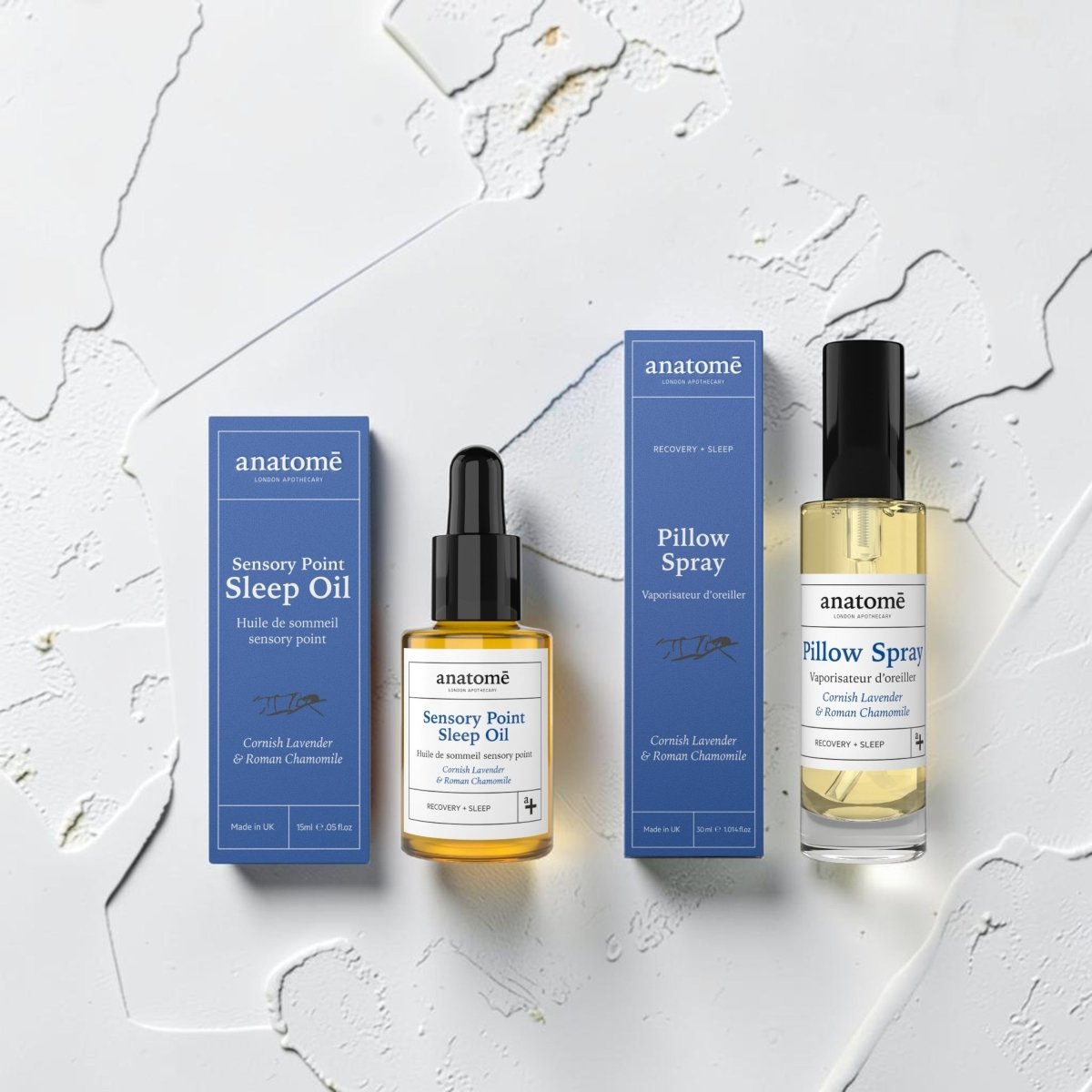
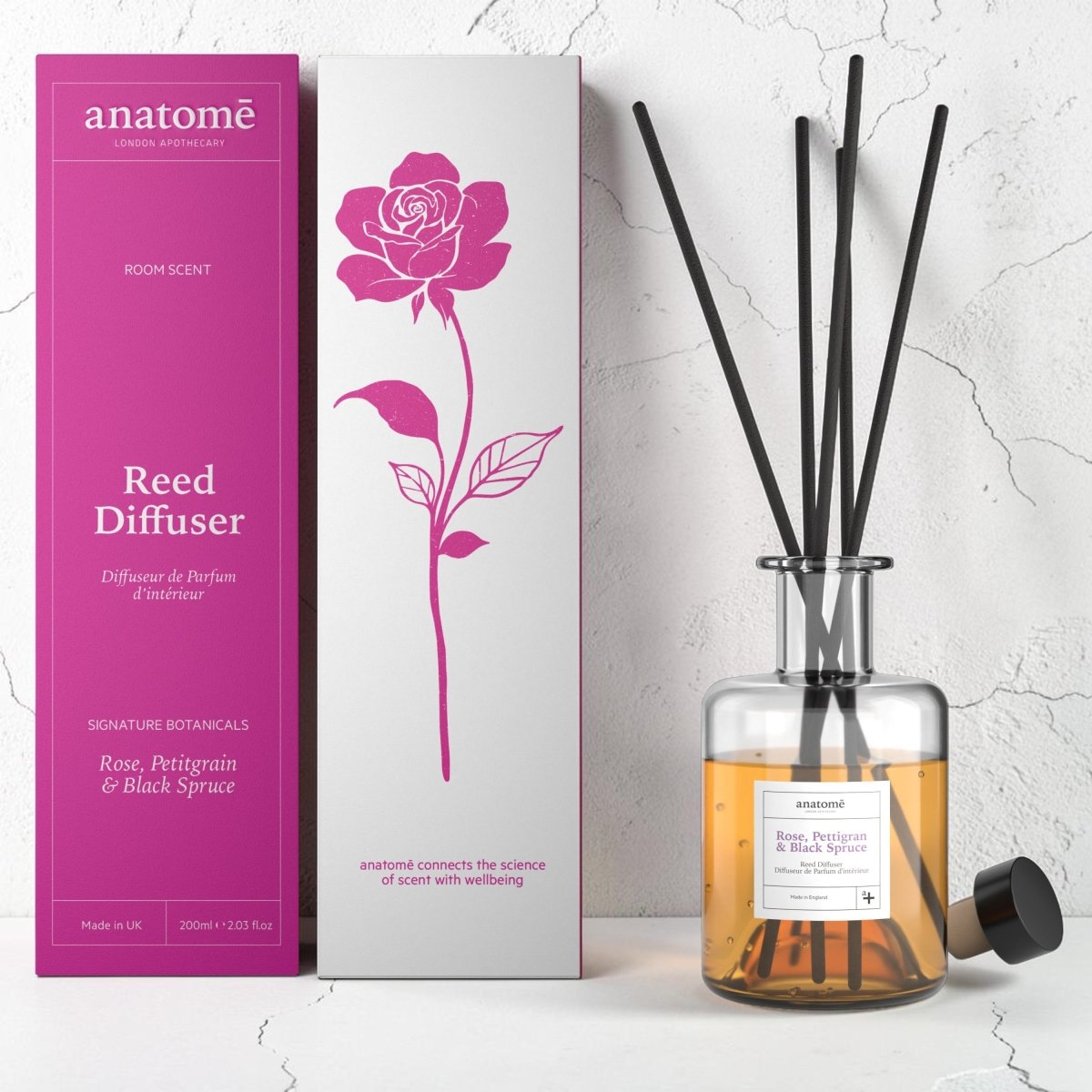
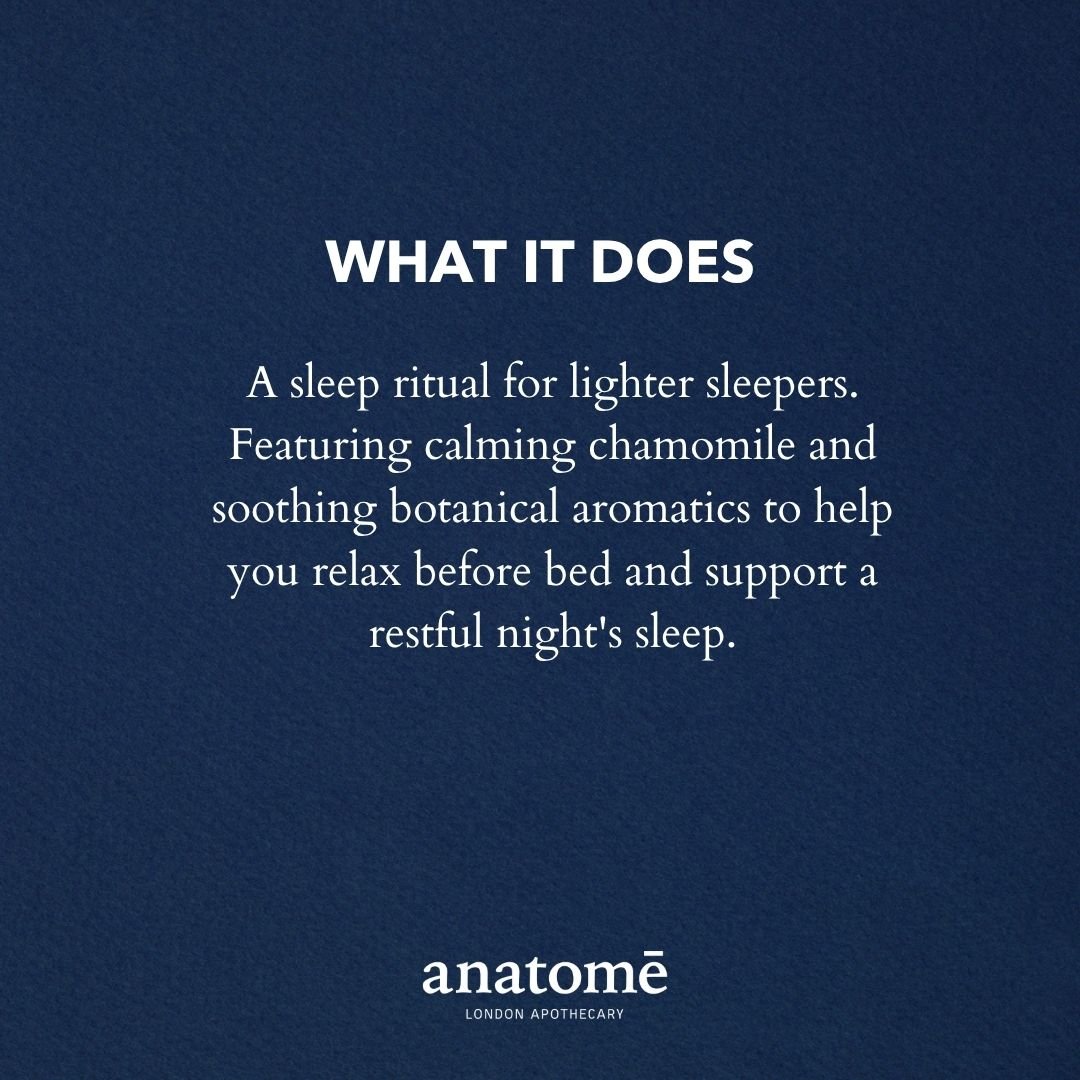
When lifestyle changes need a boost, the right support makes all the difference. anatomē understands the science of sleep and creates formulations that work with your body's natural rhythms. Our Sleep Collection features targeted solutions like Chamomile Sleep Oil for calming relaxation and Scented Pillow Sprays that transform your bedroom into a sleep sanctuary.
No synthetic sedatives. No next-day fog. Just pure, botanical support for the deep, restorative sleep your body craves.
Important FAQs
Q1. Why do I wake up so easily at every little noise?
Your brain may produce fewer sleep spindles, the brain waves that block external sounds during sleep. Stress, genetics, and hyperarousal can also lower your arousal threshold, making your brain treat minor noises as wake-up signals.
Q2. How can I tell if I'm not getting enough deep sleep?
Signs include waking unrefreshed despite adequate sleep time, constant fatigue, difficulty concentrating, brain fog, and relying heavily on caffeine. A sleep study can measure your actual time in deep sleep stages for a definitive answer.
Q3. Is being a light sleeper genetic, or can I change it?
Both. Genetics influence your baseline sleep sensitivity, but environment, stress levels, and habits significantly impact sleep depth. Most light sleepers can improve substantially through schedule consistency, bedroom optimisation, and nervous system calming techniques.
Q4. What are the best ways to train myself to sleep deeply?
Start with a consistent sleep schedule, a dark and cool bedroom, and a 30-minute wind-down routine. Limit caffeine after noon, avoid alcohol before bed, and exercise regularly but not late. Address stress through breathing exercises or meditation.
