












The Places That Inspired Our Fragrance Collection
By Brendan Murdock
The first time I noticed it was standing on the Atlantic coast at Cap Ferret.
The scent of pine carried on sea air. The sound of waves beyond the dunes. The vastness of the horizon stretching endlessly westward.
For reasons I couldn't fully explain, I felt different there, and why did I feel so ulifted?
Calmer. More open. More able to breathe.

At the time, I assumed it was simply the pleasure of being somewhere beautiful. But over the years I began to notice the same phenomenon happening again and again.
Walking through the forests and mountains of Rostrevor in County Down.
Watching changing light move across Lake Zurich.
Swimming in the volcanic waters surrounding Ischia.
Sitting quietly in the gardens of the Fondation Maeght in Saint-Paul-de-Vence.
Standing inside E-1027, Eileen Gray's extraordinary modernist house overlooking the Mediterranean.
Each place seemed to create a distinct emotional response. Some made me feel calm. Others energised me. Some sharpened my focus. Others encouraged reflection.
The more I travelled, the more fascinated I became by a simple question:

Why do certain places change the way we feel?
The Science of Place, Memory and Emotion
Years later, I discovered there was a scientific explanation for what I had been experiencing all along.
Research increasingly shows that our surroundings have a profound influence on our emotional and physiological wellbeing. Natural environments can help reduce stress, support emotional recovery and improve our ability to focus. Exposure to forests has been associated with lower cortisol levels and greater feelings of restoration, while time spent near water has been linked to improved mood and a greater sense of calm.
At anatomē, we've always believed wellbeing is shaped by the environments we inhabit, the rituals we practice and the sensory experiences that surround us.
These experiences do more than simply help us relax.
They can influence how we think, how we perform, how we connect with others and even how we sleep.
Perhaps most fascinating of all is the role of scent.
Unlike our other senses, smell has a direct connection to the limbic system, the part of the brain responsible for memory, emotion and behaviour. Long before we consciously identify a fragrance, our brain is already responding emotionally to it.
A scent can transport us instantly.
Not simply to a place.
But to a feeling.
The smell of pine can evoke a forest walk. Salt air can remind us of a coastline. Certain botanical notes can create a sense of comfort, familiarity or energy.
What fascinated our perfumer Anastasia and myself was the possibility that fragrance could become a bridge between place and emotion.
A way of reconnecting with the feelings we experience in the environments that nourish us most.
"I wasn't interested in creating fragrances around ingredients. I was interested in creating fragrances around feelings."

The Places That Shaped the Collection
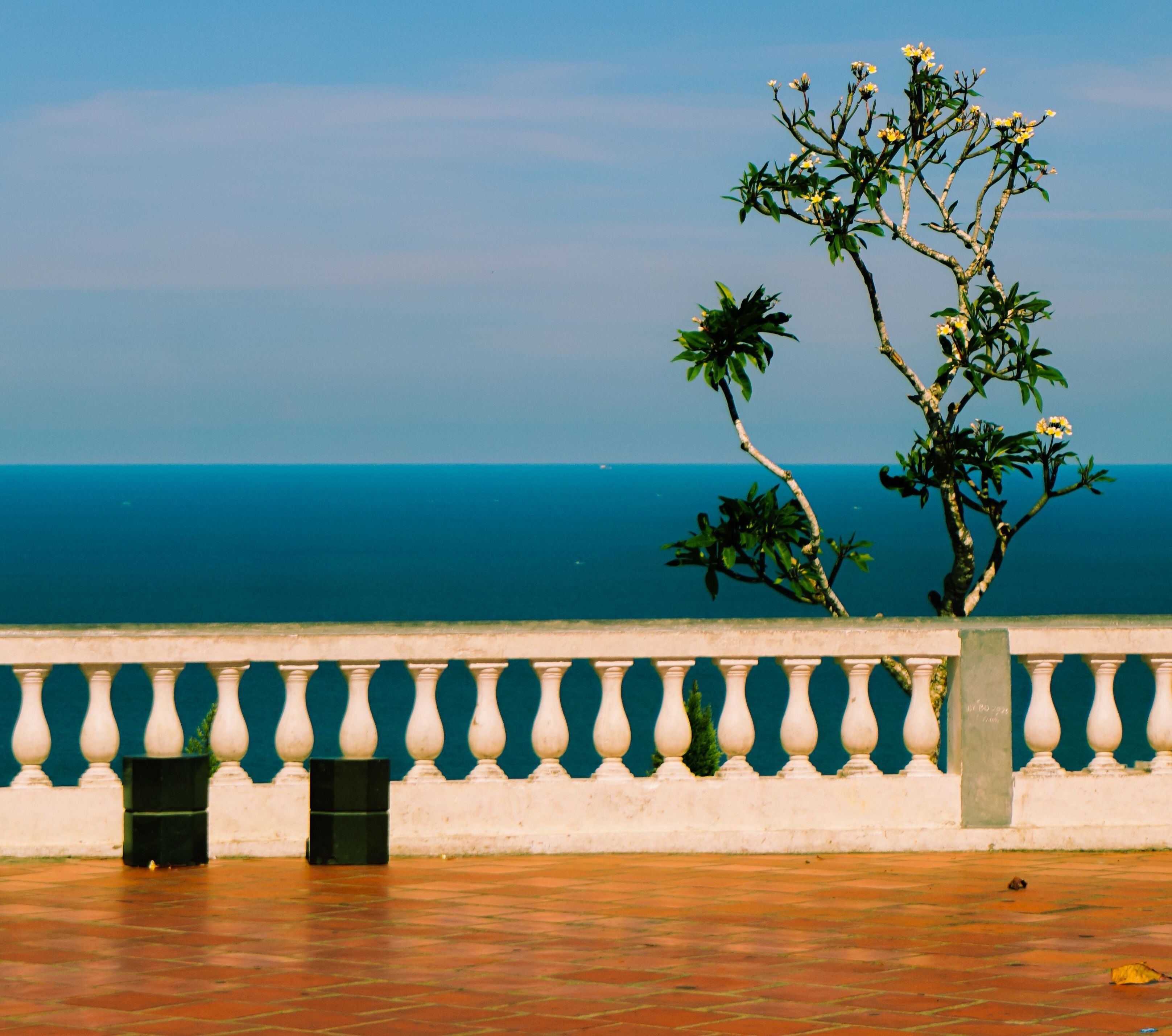
Around the same time, I found myself returning repeatedly to a collection of places that had I've loved to visit, that reflect summer.
Cap Ferret remained a constant source of inspiration. There is something about the meeting of forest and ocean that creates an immediate sense of perspective. The landscape feels expansive, restorative and deeply connected to breath.
Comporta offered a different kind of stillness. Long stretches of untouched coastline, pine forests and rice fields moving slowly towards the Atlantic. A place where nature dictates the rhythm of the day.
In Switzerland, Lake Zurich revealed the quiet power of balance. Calm water reflecting changing light. Precision softened by nature.
The mountains and forests of Rostrevor, Ireland reminded me of the restorative effect of movement. Walking beneath trees, climbing through changing weather and reconnecting with the landscape I had known since childhood.
The Mediterranean offered something different again. At E-1027 and the Fondation Maeght, I became fascinated by the relationship between architecture, light and emotion. Both spaces demonstrate how thoughtful design can influence the way we experience ourselves and the world around us. They create room for contemplation. They encourage presence.
Looking back, I realise these places shaped not only how I wanted to live, but also what I wanted to create.

Creating Fragrances Around Feelings
When the time came to develop our fragrance collection, I wasn't interested in creating perfumes based solely on ingredients or fragrance trends.
I wanted to create fragrances inspired by emotional states.
Not what we wear. But how we want to feel.
Calm.
Focused.
Energised.
Balanced.
Protected.
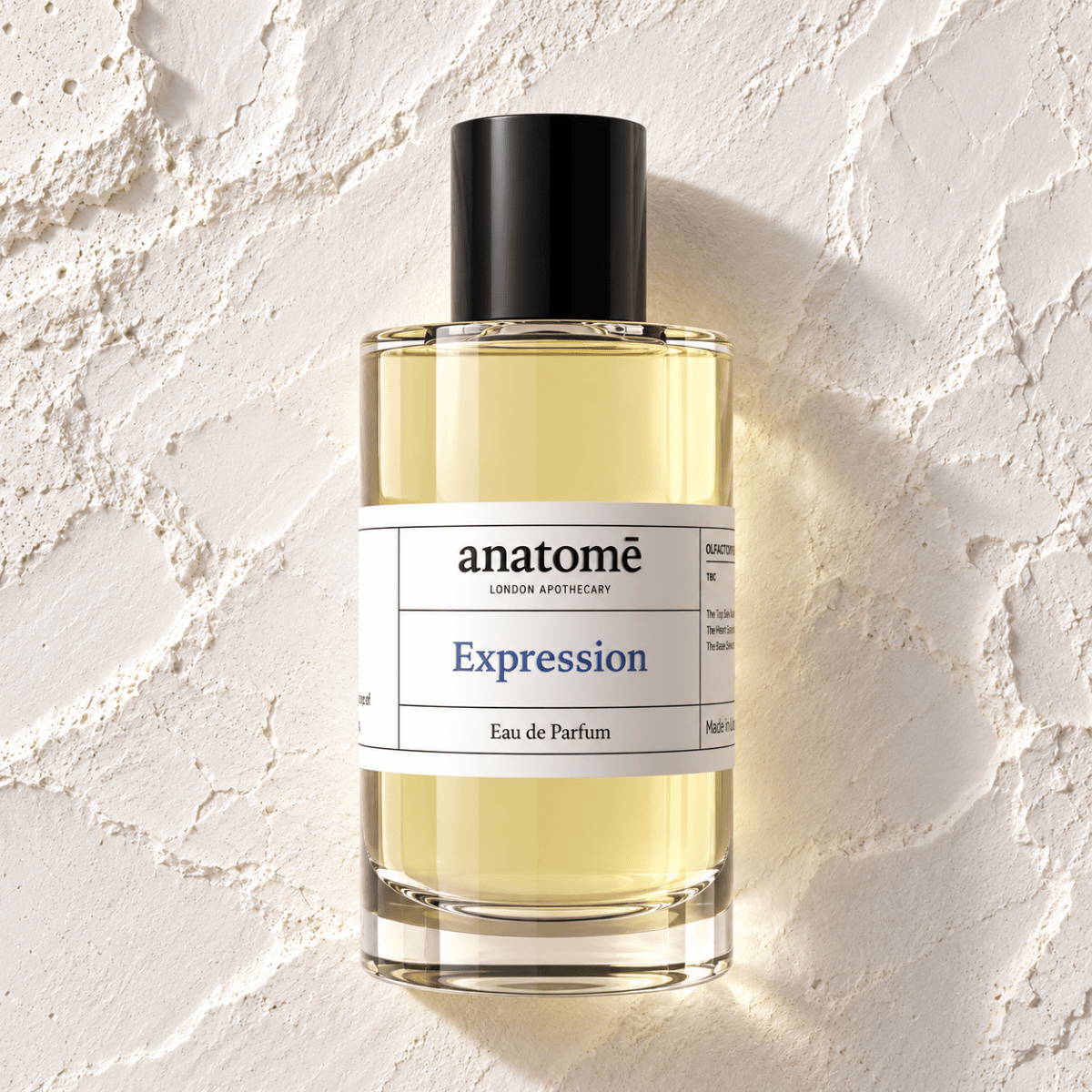
Expressive.
Each fragrance became an emotional landscape. A distillation of the places, memories and experiences that had left the deepest impression on me.
The openness of the Atlantic coast.
The stillness of alpine lakes.
The vitality of movement and sunlight.
The focus inspired by architecture and craftsmanship.
The restorative qualities of botanicals and medicinal gardens that have supported wellbeing traditions for centuries.
The confidence and freedom that come from feeling fully expressed.
Together, they form a collection rooted in a simple belief:
That wellbeing is not only influenced by what we do.
It is influenced by where we are. What we smell. What we see. What we remember. And how those experiences shape our emotional state.

And perhaps that is the most important question of all:

