

























You have tried chamomile tea, dimmed the lights, and scrolled through every sleep hygiene article on the internet. Yet each night brings the same frustrating pattern: racing thoughts, restless limbs, and that elusive feeling of deep rest slipping further away.
Magnesium supplementation may be the factor your sleep routine is missing. It plays a role in over 300 biochemical reactions throughout your body, and many of these directly influence how well you sleep. The challenge? Not all magnesium supplements work the same way. Choosing the wrong form could mean wasted money and continued sleepless nights.
How Magnesium Supports Sleep
Before diving into specific forms, it helps to grasp why this mineral matters so much for rest.
The Nervous System Connection
Magnesium helps regulate gamma-aminobutyric acid (GABA), your brain's primary calming neurotransmitter. GABA slows neural activity and prepares the body for sleep. When magnesium levels drop, your nervous system struggles to shift from alert mode into relaxation, leaving you wired when you desperately want to feel tired.
Muscle Tension and Physical Relaxation
Beyond brain chemistry, magnesium influences muscular function throughout the body. Low levels often manifest as nighttime cramps, restless legs, or that persistent tension across your shoulders that simply will not release. Addressing magnesium status can help muscles finally let go.
Melatonin Production Support
Your body produces melatonin to signal that sleep time has arrived. Magnesium plays a supporting role in this process, helping regulate melatonin production and potentially enhancing its effectiveness. This relationship partly explains why supplementation often improves both the ease of falling asleep and overall sleep quality.
Quick Check:
Most adults in the UK require between 300 and 400mg of magnesium daily. However, up to half of the population may not meet this through diet alone, making supplementation worth considering.
The Different Types of Magnesium
Walk into any health shop, and you will find dozens of magnesium products with different names. Each form behaves differently in your body, and the distinctions matter enormously for sleep.
-
Magnesium Bisglycinate (Glycinate)
This form bonds magnesium to glycine, an amino acid with its own calming properties. The combination creates something rather special for sleep support.
Why This Form Stands Out
- Highly absorbable through the digestive system
- Gentle on the stomach with minimal laxative effects
- Glycine itself promotes deeper, more restorative slow-wave sleep
- Often considered the gold standard for sleep supplementation
Best For:
Those dealing with stress-related sleep issues, nighttime tension, or general difficulty winding down. Research suggests magnesium glycinate is gentle on the stomach and calming, making it particularly helpful for sleep, stress, and anxiety.
anatomē's Reset, Relax + Sleep Supplement uses magnesium bisglycinate as its foundation, paired with L-tryptophan, vitamin B6, zinc, and calming botanicals including chamomile and hops. This blend supports the body's natural melatonin production whilst easing muscular tension. Take two capsules approximately 30 minutes before bedtime to establish a consistent evening ritual.
-
Magnesium L-Threonate
A newer form specifically engineered to cross the blood-brain barrier more effectively than other types. This makes it uniquely positioned for cognitive and sleep benefits.
The Science Behind It
Magnesium threonate has been shown to pass through the blood-brain barrier more effectively than any other form of magnesium, which is why one key benefit is its calming, relaxing effect on the brain. This can help improve sleep, particularly falling asleep and staying asleep.
Why Brain Access Matters
Most magnesium supplements raise blood levels but struggle to significantly increase concentrations within brain tissue. Threonate addresses this limitation directly, making it especially relevant for:
- Racing thoughts that keep you awake
- Mental fatigue alongside poor sleep
- Daytime brain fog is connected to poor rest
- Long-term cognitive support
Considerations:
This form tends to cost more than glycinate and is typically recommended for those whose sleep difficulties stem primarily from an overstimulated mind rather than physical tension.
-
Magnesium Citrate
One of the most commonly available forms, citrate combines magnesium with citric acid for reasonably good absorption.
Advantages and Limitations
- Well-absorbed by most people
- Widely available and often affordable
- Has a mild to moderate laxative effect
The laxative properties can catch people off guard, potentially sending them to the bathroom rather than off to sleep. According to Mayo Clinic experts, unless you are prone to constipation, a form that is gentler on the intestinal system, such as magnesium glycinate, might be a better choice.
When It Makes Sense
If constipation-related discomfort affects your sleep, a short-term course of magnesium citrate could prove useful. Otherwise, gentler forms typically serve sleep purposes better.
-
Magnesium Oxide
Contains a high amount of elemental magnesium but suffers from poor bioavailability, meaning your body struggles to absorb and use it effectively.
Why It Ranks Lower for Sleep
- Primarily used for digestive purposes
- More likely to cause gastrointestinal side effects
- Less effective for nervous system support
- Often the cheapest option, but not necessarily a good value
For sleep specifically, oxide rarely represents the best choice despite its prevalence in budget supplements.
-
Magnesium Taurate
This form combines magnesium with taurine, an amino acid with cardiovascular and neuroprotective properties.
Emerging Benefits:
Magnesium taurate shows particular promise for blood pressure management and heart health. For sleep, the taurine component has GABA-mimetic properties, making it a reasonable choice for those seeking rest alongside cardiovascular support. Less widely available than glycinate or citrate in UK shops.
-
Magnesium Chloride (Topical)
Sold as oil sprays, bath flakes, and transdermal products. Claims suggest absorption through the skin can raise blood magnesium levels.
What the Evidence Shows
Results remain mixed regarding how effectively topical magnesium absorbs. The relaxation benefits of a magnesium salt bath likely involve several factors:
- Modest mineral absorption through skin
- The warm water relaxation effect
- The ritual of a pre-bed bath signalling rest time
Comparing Magnesium Forms for Sleep
|
Form |
Absorption |
Sleep Benefits |
Best For |
|
Bisglycinate |
Excellent |
Direct nervous system calming, muscle relaxation |
Stress, tension, and general sleep support |
|
L-Threonate |
Excellent (crosses blood-brain barrier) |
Brain calming, cognitive support |
Racing thoughts, mental fatigue |
|
Citrate |
Good |
General magnesium support |
Those with constipation |
|
Oxide |
Poor |
Minimal sleep benefits |
Digestive support only |
|
Taurate |
Good |
Cardiovascular + mild calming |
Heart health alongside sleep |
|
Chloride (topical) |
Variable |
Muscular relaxation, ritual benefits |
Bath-based evening routines |
How Long Until You Notice Improvements
Patience proves essential with magnesium supplementation. You might feel calmer within hours of your first dose, but consistent daily use over one to two weeks typically delivers noticeable improvements in sleep quality. Some clinical trials track the full benefits over six to eight weeks, particularly for those with significant deficiencies.
The Timeline
- First few nights: Potential feeling of calm, possibly easier relaxation
- One to two weeks: Noticeable changes in sleep onset and quality
- Four to eight weeks: Full benefits for those addressing the deficiency
Pro Tip:
Keep a simple sleep diary during your first eight weeks. Note when you take magnesium, how long it takes you to fall asleep, and how rested you feel upon waking. This helps you objectively assess whether adjustments are needed.
Creating an Evening Practice
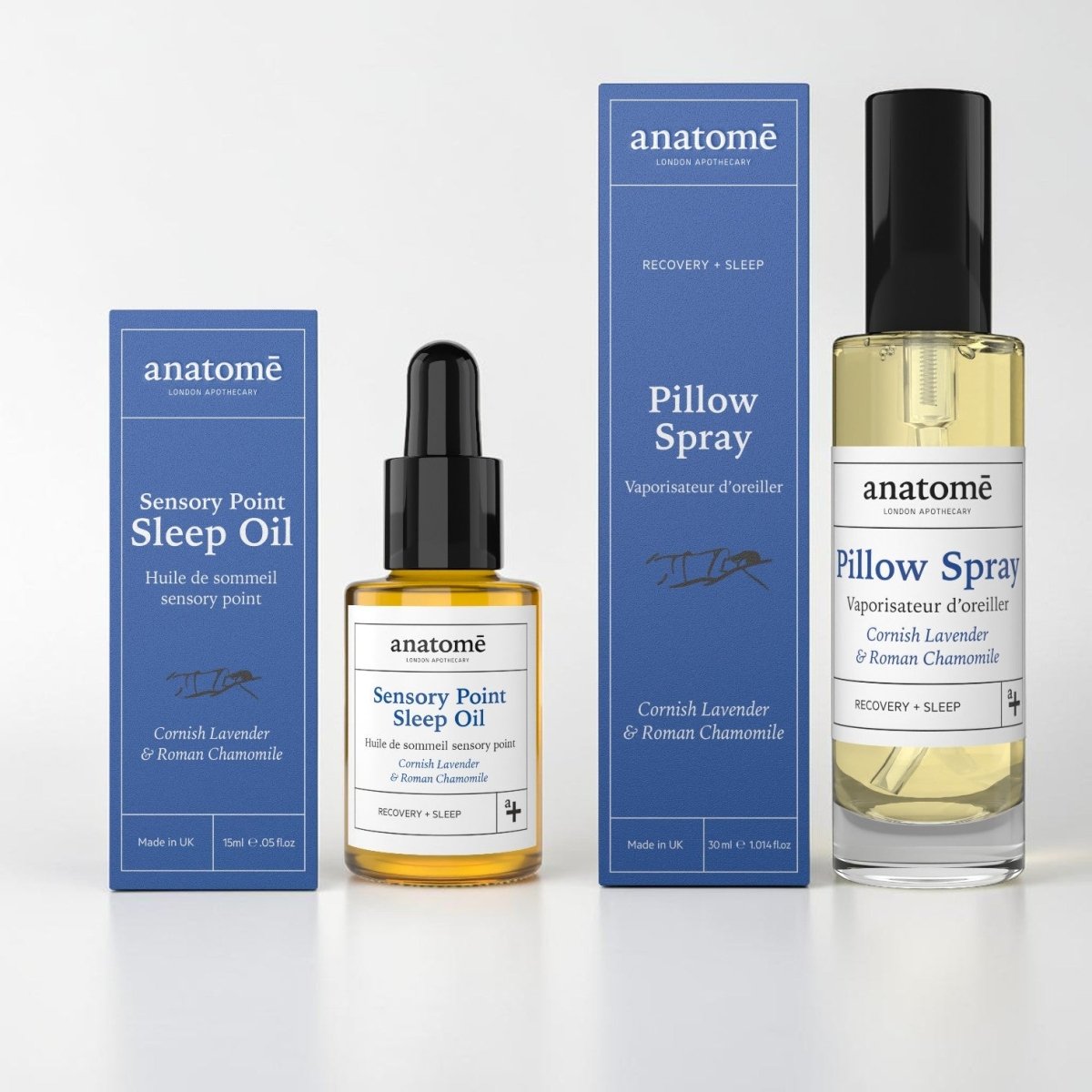
The most effective approach combines internal supplementation with external sleep cues. anatomē's 30 Day Sleep Practice: Quiet Mind, Decompress + Relax brings together the Reset, Relax + Sleep Supplement with Somali Frankincense sensory point oil and matching pillow spray.
The supplement provides L-tryptophan, magnesium glycinate, zinc, and chamomile to help relax the body and support melatonin production. The frankincense oil works to quiet an overactive mind through scent and touch. This layered approach supports both physical and emotional readiness for rest.
Building Your Routine
- Take your magnesium supplement 30 minutes to two hours before bed
- Draw a warm bath with mineral salts on bath nights
- Apply sensory point oil to pulse points
- Mist pillow spray to create a consistent aromatic cue
- Dim lights and limit screen exposure
Consistency matters more than perfection. The nervous system learns to associate these cues with sleep, making the transition easier over time.
Signs You Might Need More Magnesium
Common indicators of insufficiency include:
- Muscle cramps or twitching, especially at night
- Difficulty falling asleep despite tiredness
- Frequent night waking
- Persistent tension or inability to relax
- Restless legs or physical agitation in bed
If several of these sound familiar, addressing magnesium intake might produce more noticeable results than for someone with already-optimal levels.
Which type of magnesium is best for sleep in the UK?
Magnesium bisglycinate (also called glycinate) is widely considered the best form for sleep because your body absorbs it easily, and it is gentle on the stomach. The glycine component adds its own calming benefits. For racing thoughts specifically, L-threonate may offer additional brain-focused support.
When should I take magnesium for sleep?
Approximately 30 minutes to two hours before bed with water. Taking it at the same time each night helps your body build a consistent routine and improves results over time.
Final Thoughts
The path to better sleep rarely involves a single solution. However, addressing magnesium status represents one of the most research-supported steps you can take, particularly when you choose the right form for your specific challenges. Magnesium can help, but only if you pick the form that truly works for your body.
anatomē’s sleep formulas combine magnesium bisglycinate with botanicals and amino acids, supporting your body’s natural rest. Layer in evening rituals, soothing scents, and mineral-rich baths, and your nervous system learns it’s finally time to switch off.
The longer you wait, the stronger restless patterns grow. So, try it now!