









63% of people in the UK are stressed at least weekly, and for many, that stress is the primary reason their sleep has suffered. Stress keeps you awake, and poor sleep makes stress worse. And somewhere in that cycle, millions of people across the UK are lying awake at night, wondering if there is anything that can actually help.
Sleep supplements have become one of the most searched wellbeing solutions in Britain, but the market is crowded, the claims are bold, and the science behind most products is rarely explained. They can help with stress and anxiety, but only when they contain the right ingredients, used in the right way, for the right reasons.
The Connection Between Sleep, Stress, and Anxiety
Sleep and stress are locked in a two-way relationship that, once disrupted, is genuinely difficult to break without intervention.
When you experience stress or anxiety, your body releases cortisol, your primary stress hormone. In short bursts, cortisol is useful. But when it stays elevated into the evening, it actively suppresses melatonin, the hormone your brain needs to initiate sleep. The result is a mind that feels wired at exactly the moment it should be winding down.
Poor sleep then makes everything worse. Sleep deprivation raises cortisol levels the next day, reduces emotional resilience, and makes anxiety feel sharper and harder to manage.
The cycle looks like this:
- Stress raises cortisol
- Elevated cortisol suppresses melatonin
- Low melatonin disrupts sleep
- Poor sleep raises cortisol the next day
- Higher cortisol worsens stress and anxiety
9/10 people in the UK are currently experiencing problems with their sleep, with over 14 million believed to be suffering in silence with undiagnosed sleep disorders. This is not a niche problem. It is a widespread public health issue rooted, for many, in chronic stress.
Can Sleep Supplements Actually Help with Stress and Anxiety?
YES, sleep supplements can help many people with stress and anxiety.
Sleep supplements are not sedatives and do not force sleep like prescription medication. Well-formulated options instead support the biological processes your body uses to fall asleep and stay asleep naturally. The best ones address not just the sleep side of the equation but the underlying stress and anxiety driving the problem in the first place.
The key is in the ingredients. A supplement containing magnesium, tryptophan, chamomile, or adaptogenic botanicals works on your nervous system, your stress response, and your sleep-wake cycle simultaneously. Understanding what is in your supplement and why is the most important step before reaching for anything.
Top 5 Ingredients in Sleep Supplements That Help with Stress and Anxiety
Not all sleep supplements are created equal. These are the ingredients with genuine evidence behind them.
1. Magnesium
Magnesium is arguably the most important mineral for sleep and stress, and deficiency in it is far more common than most people realise. It works by supporting GABA activity in the brain. GABA is the neurotransmitter responsible for slowing neural activity and promoting calm. When magnesium levels are low:
- The nervous system becomes hyperexcitable
- Restlessness and anxiety increase
- Switching off at night becomes significantly harder
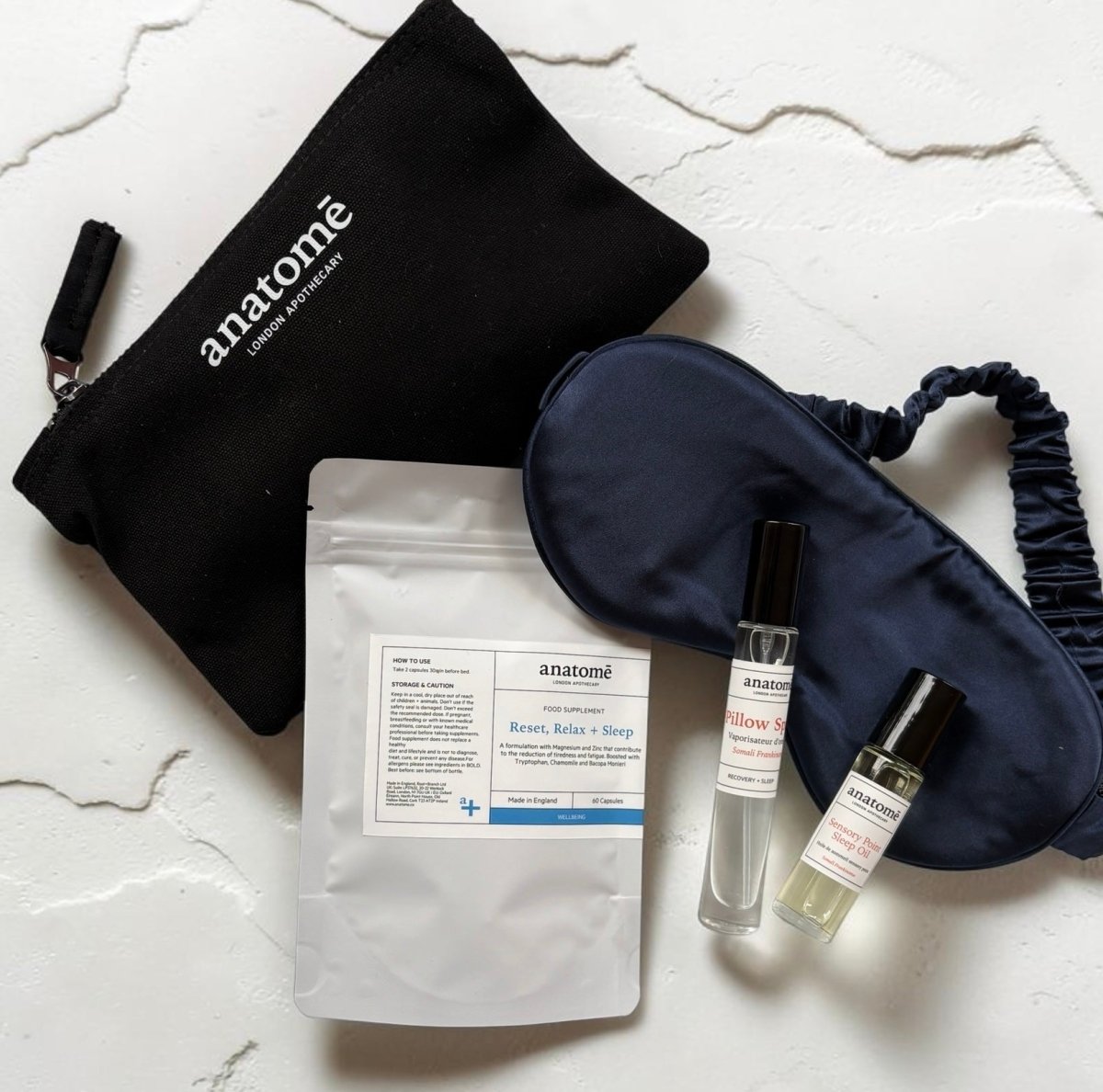
A 2024 randomised double-blind placebo-controlled trial found that magnesium supplementation produced significant improvements in sleep quality, deep sleep, and heart rate variability compared to placebo. Magnesium bisglycinate, the form used in anatomē's Reset, Relax + Sleep formulation, is one of the most bioavailable and gentle forms available.
2. Tryptophan and Serotonin
Tryptophan is an essential amino acid and the body's natural precursor to serotonin. Here is why it matters for sleep and stress:
- Serotonin regulates mood, cognition, and emotional resilience
- Serotonin is the building block the body uses to produce melatonin
- Without adequate tryptophan, melatonin production is interrupted
Supplementing with tryptophan supports both a calmer mood during the day and a more natural transition into sleep at night, addressing both anxiety and sleep simultaneously.
3. Chamomile
Chamomile's active compound, apigenin, binds to GABA receptors in the brain in a similar way to certain anti-anxiety compounds, producing a mild sedative and calming effect without dependency or next-day grogginess. For those whose sleep is disrupted by an overactive mind or background anxiety, chamomile provides gentle but meaningful support.
4. Hops
Hops works synergistically with other calming botanicals and has been shown to:
- Support sleep onset
- Reduce nighttime restlessness
- Help maintain sleep through the night
It is particularly useful for those who fall asleep easily but wake frequently during the night.
5. Bacopa Monnieri
A staple of Ayurvedic medicine, Bacopa monnieri is an adaptogenic herb that supports the body's resilience to stress over time. Research suggests it helps modulate cortisol levels and reduce perceived stress, making it a valuable addition in any formulation targeting the anxiety that drives poor sleep rather than just the sleep itself.
Best Time to Take Sleep Supplements for Stress and Anxiety
The ideal window for most botanical sleep supplements is 30 to 60 minutes before bed. This gives ingredients like magnesium and chamomile enough time to begin supporting GABA activity and calming the nervous system before you actually try to sleep.
A few practical tips on timing:
- Take your supplement 30 to 60 minutes before bed for best absorption
- Pair it with a consistent evening routine, such as dimmed lights and reduced screen time
- Avoid taking supplements immediately after a heavy meal, as digestion can slow absorption
- If your supplement contains adaptogens like Bacopa monnieri, think long-term as benefits build over several weeks of consistent use.
- Always check with your GP before introducing supplements if you are taking prescription medication.
Taking your supplement as part of a consistent evening ritual is equally important. The body responds strongly to routine. When you pair your supplement with a quieter, calmer environment, you send a clear signal to your nervous system that the day is ending. The supplement works within this context, not in isolation.
Are Sleep Supplements Enough on Their Own?
Honestly, NO! And any brand that suggests otherwise is not being straight with you.
Sleep supplements work best as part of a broader approach to rest and stress management. They are not a substitute for addressing the root causes of chronic anxiety. What they can do is meaningfully lower the activation level of your nervous system in the evening, making it easier for your other healthy habits to do their work.
The most effective combination typically includes:
- Consistent sleep and wake times every day
- Reduced caffeine intake after midday
- Limited screen exposure in the hour before bed
- Physical movement or exercise during the day
- A calming evening ritual that includes your supplement
Together, these create the conditions in which sleep becomes natural again rather than something you have to chase.
What Should You Look for in a Sleep Supplement for Stress and Anxiety?
With so many options available, knowing what to look for saves both time and money. Here is what actually matters:
- A blend of ingredients rather than a single high-dose compound. Sleep and stress involve multiple biological pathways, and a multi-ingredient approach is far more likely to be effective.
- Bioavailability of the form used. Magnesium bisglycinate is significantly better absorbed than magnesium oxide, which is cheaper to produce but far less effective. The form of each ingredient matters as much as the dose.
- Full ingredient transparency. Reputable brands will tell you exactly what is in their formulation, at what dose, and why. Vague proprietary blends that do not disclose individual amounts are a red flag.
- Science-led formulation rooted in clinical evidence rather than marketing claims
- Clean, premium ingredients free from unnecessary additives, fillers, or artificial compounds
Can sleep supplements reduce anxiety?
Yes, certain ingredients such as magnesium, chamomile, and adaptogenic herbs like Bacopa monnieri have evidence supporting their ability to calm the nervous system, lower cortisol, and reduce anxiety symptoms that interfere with sleep.
How long do sleep supplements take to work?
Most botanical sleep supplements take between two and four weeks of consistent use to show meaningful results. Adaptogens like Bacopa monnieri may take longer, building resilience to stress gradually over several weeks of daily use.
Are sleep supplements safe to take every night?
Gentle, plant-based formulations like those containing magnesium and chamomile are generally considered safe for nightly use and do not cause dependency or next-day drowsiness. Always check with your GP if you take prescription medication.
Bottom Line
Supplements that address the nervous system directly through magnesium, tryptophan, chamomile, hops, and adaptogenic botanicals can meaningfully support both the anxiety driving the problem and the sleep that chronic stress has disrupted. They work best when paired with a calming, consistent evening ritual and lifestyle habits that support your nervous system throughout the day.
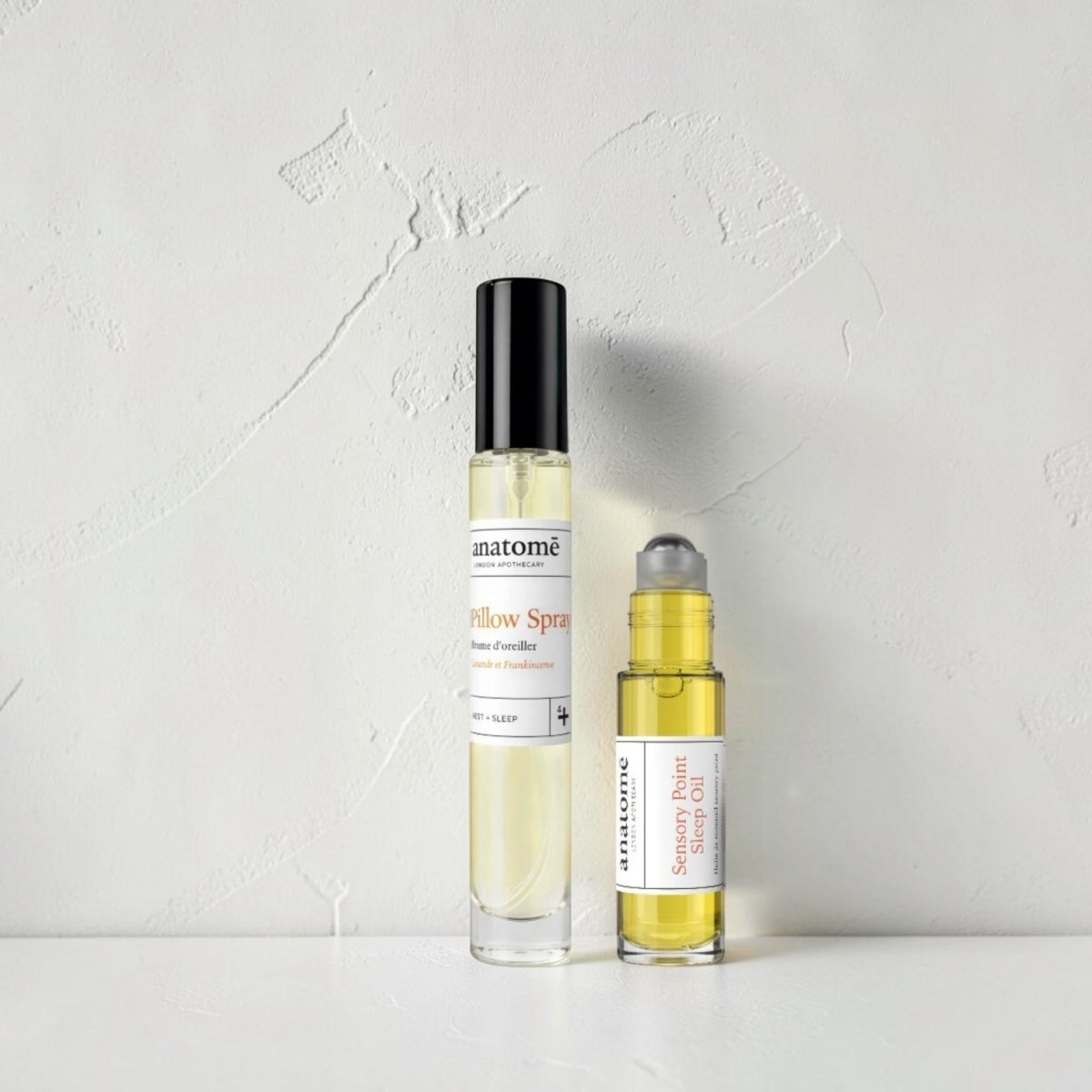
At anatomē, rest is not an afterthought. It is the foundation of everything we do. Our sleep supplements bring together magnesium bisglycinate, chamomile, and tryptophan in a formulation built to help your nervous system find its way back to calm, every single night.
Your best night's sleep starts with one decision. Shop our sleep collection and wake up to the difference.
