




















Most natural sleep supplements are not designed to knock you out. They are designed to help your brain and body ease into the relaxed state that makes sleep feel natural rather than forced.
The main categories worth knowing include minerals like magnesium, amino acids such as L-theanine and glycine, herbal extracts including valerian, chamomile, passionflower, lemon balm, and lavender, and low-dose melatonin blends. Each works differently, but the shared goal is the same: less tension, less mental noise, and a smoother path to sleep.
How Your Brain and Body Wind Down for Sleep?
Falling asleep is not a switch you flip. It is a gradual process driven by shifts in brain chemistry, muscle tone, heart rate, and body temperature that all need to move in the right direction at roughly the same time.
The Role of Calm Neurotransmitters
GABA is the brain’s main inhibitory neurotransmitter, signalling overactive neurons to slow down. Serotonin supports mood stability and feeds into the melatonin production pathway, helping create the right internal conditions for sleep.
Many popular sleep ingredients work by gently increasing GABA activity or supporting serotonin pathways. This is why they tend to produce a sense of calm rather than outright drowsiness, which is a more useful effect than most people initially expect.
Muscle Relaxation, Heart Rate, and Body Temperature
On the physical side, the pre-sleep window involves:
- A measurable drop in core body temperature
- A gradual slowing of the heart rate
- A progressive release of muscle tension throughout the body
Some supplements directly support these physical shifts, making it easier to settle once you are in bed rather than lying there feeling physically tense despite being mentally exhausted.
Key Sleep Supplement Ingredients That Promote Relaxation
Different ingredients target different parts of the relaxation process. Understanding what each one does helps you choose something that matches your experience at bedtime.
Magnesium – Muscle and Nervous System Relaxation
Magnesium is involved in over 300 enzymatic processes in the body, including those responsible for muscle relaxation and nervous system regulation. Research suggests it may reduce evening stress and support a smoother transition into sleep.
Gentler forms like magnesium glycinate tend to be better absorbed and easier on digestion, making them a more practical choice for regular evening use.
L-Theanine and Glycine – Calm Without Sedation
- L-theanine: Increases alpha brain wave activity, the mental state associated with relaxed alertness. Also supports GABA production, creating calm without the groggy aftermath.
- Glycine: Works primarily by lowering core body temperature before sleep, which research suggests improves perceived sleep quality and makes the pre-sleep period feel more physically settled.
Herbal Calmers
Valerian, chamomile, passionflower, lemon balm, and lavender all modulate GABA activity and anxiety pathways to varying degrees. Evidence shows modest but meaningful improvements in:
- Time taken to fall asleep
- Overall perceived sleep quality
- Evening anxiety and tension levels
Benefits tend to be strongest in people dealing with mild stress-related sleep difficulties rather than clinical insomnia.
Low-Dose Melatonin in Relaxation Blends
In many combined sleep formulas, melatonin appears at low doses of 0.5mg to 3mg. At these levels, it is not the main event. It simply reinforces the body's natural wind-down cue while the other ingredients carry most of the relaxation work. Timing matters more than dose here, so taking it 30 to 60 minutes before bed is more important than taking more of it.
What the Research Says About Relaxation-Focused Sleep Supplements?
The science behind sleep supplements is more nuanced than most marketing suggests. Results are real but modest, and context matters enormously.
Evidence for Calmer Evenings and Easier Sleep Onset
Ingredients like magnesium, L-theanine, glycine, valerian, and lavender have each shown the ability to modestly reduce the time it takes to fall asleep and improve how rested people feel upon waking. These effects work primarily by reducing evening anxiety and lowering physiological arousal rather than forcing sleep directly.
Benefits tend to be most consistent when supplements are used alongside good sleep habits rather than as a standalone fix.
Limitations and Individual Differences
Many studies in this area are short-term and use standardised extracts that may not match the product on the shelf. In the UK, 37% of adults experience insomnia, and an estimated 2.5 million people are living with obstructive sleep apnoea, which highlights just how varied the underlying causes of poor sleep can be.
Individual responses also vary based on stress levels, caffeine intake, and existing medications, so something that works well for one person may feel subtle for another.
Building a Relaxing Bedtime Routine With Sleep Supplements
A supplement works best when it is part of a wider routine rather than the only change you make. How and when you take it matters just as much as what you take.
When and How to Take Relaxation Supplements
Most herbal supplements, L-theanine, and magnesium work best when taken 30 to 60 minutes before bed. Complex blends may benefit from being taken slightly earlier, around 1to 2 hours beforehand.
Start with the lowest suggested dose and stick with it consistently for at least two weeks. Track changes in evening tension, how quickly you fall asleep, and how often you wake during the night before deciding whether it is working.
Pairing Supplements With Non-Supplement Relaxation Habits
The ingredients in sleep supplements are designed to calm the nervous system, and that process is amplified when your environment supports the same goal. Helpful habits to pair with your supplement include:
- Dimming lights at least an hour before bed
- Stepping away from screens and notifications
- Gentle stretching or slow breathing exercises
- A warm bath to encourage the body temperature drop that signals sleep
These are not optional extras. These supportive habits enhance the effectiveness of your supplement and help establish a consistent wind-down routine.
Safety Tips and When to Seek Professional Advice
Most natural sleep supplements are well tolerated, but professional guidance matters in certain situations:
- Pregnancy or breastfeeding: Always check before starting any new supplement
- Medication interactions: Particularly with anxiety, depression, blood pressure, or seizure medications
- Older adults: Sensitivity to certain ingredients can increase with age
- Worsening sleep: If difficulties persist beyond a few weeks or come alongside loud snoring, gasping, severe mood changes, or overwhelming daytime fatigue, see a GP rather than increasing your dose
Conclusion
Natural sleep supplements work best when treated as part of a broader approach to rest rather than a quick fix. The right ingredients, taken at the right time and paired with consistent wind-down habits, can make a genuine difference to how easily you relax into sleep each night.
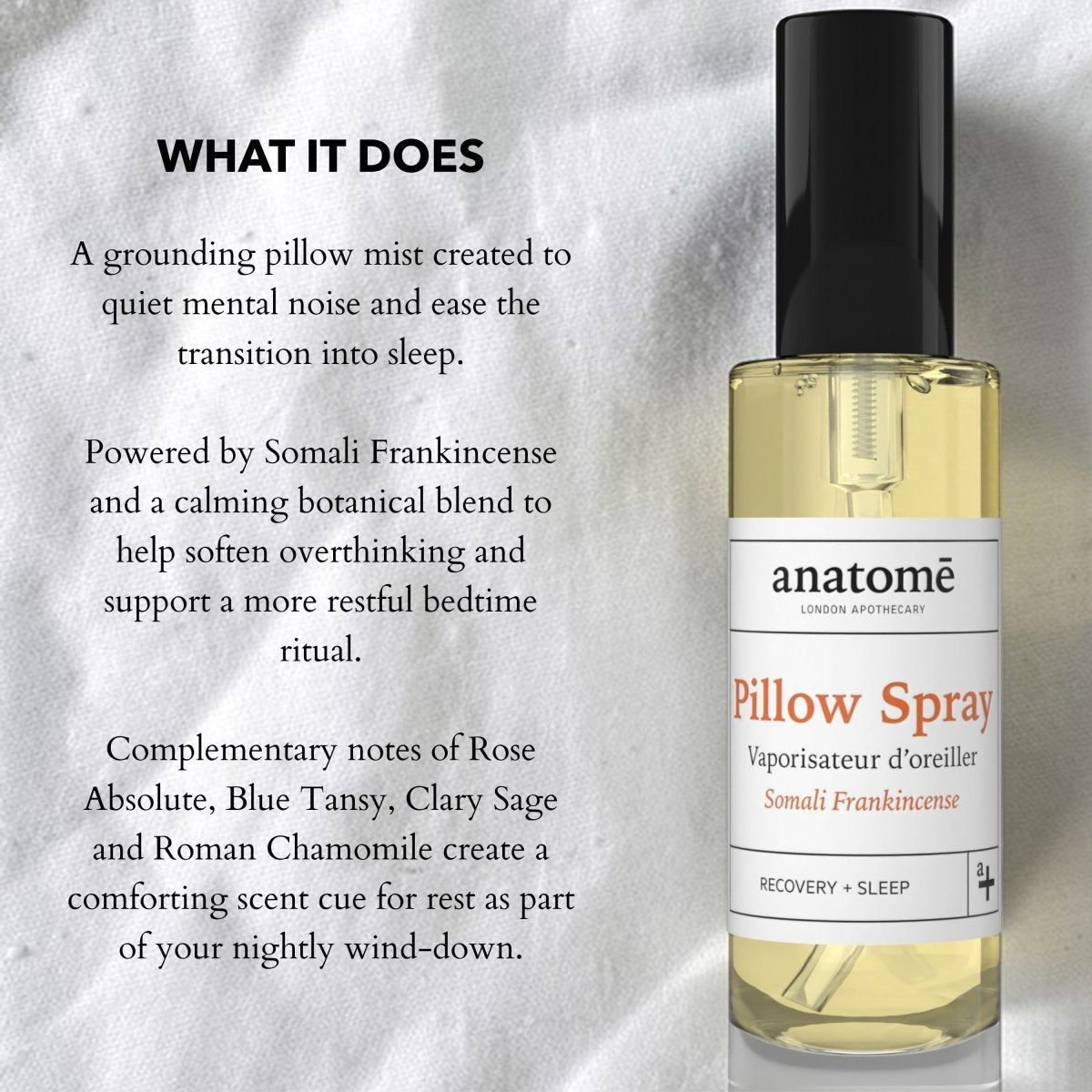
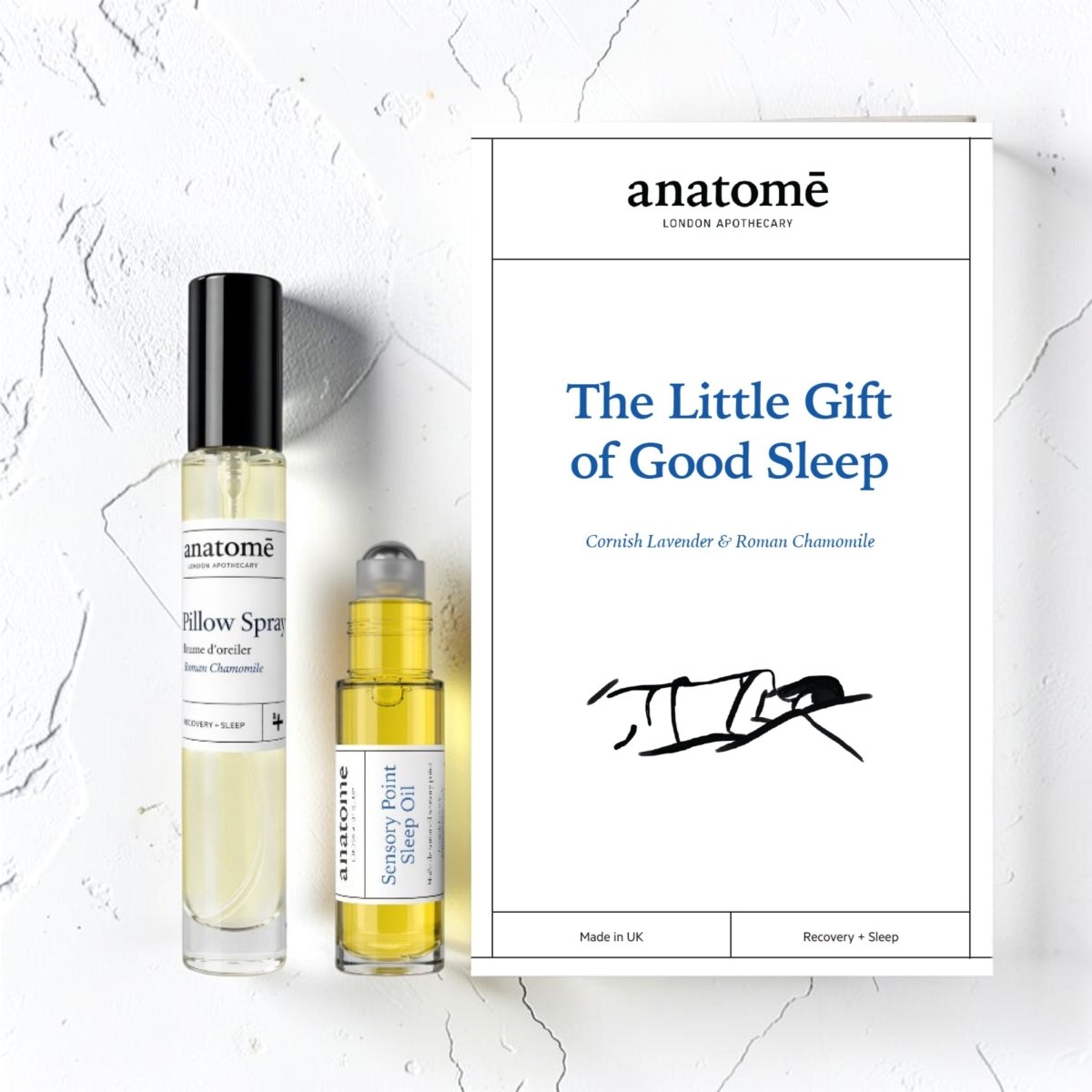
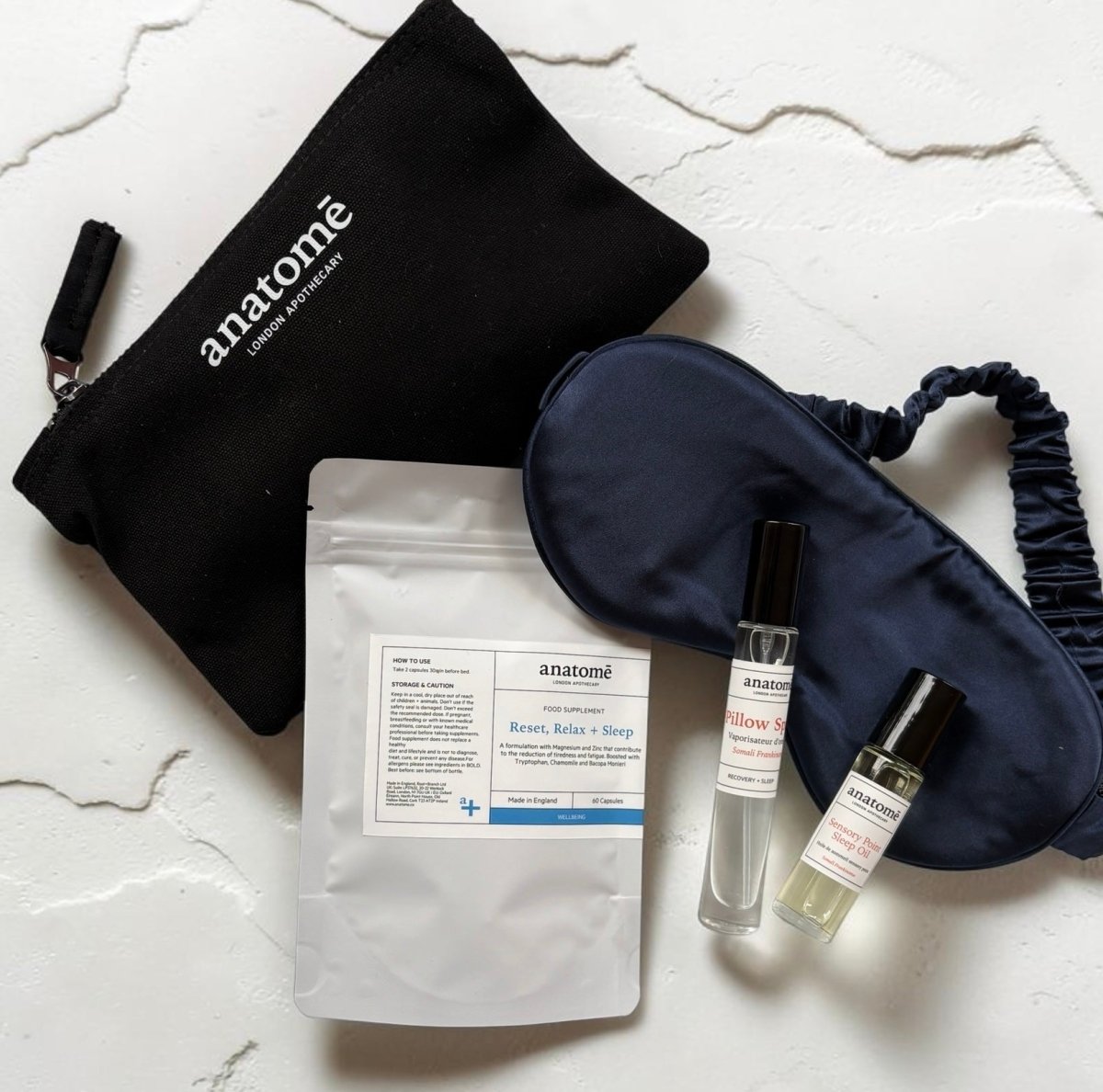
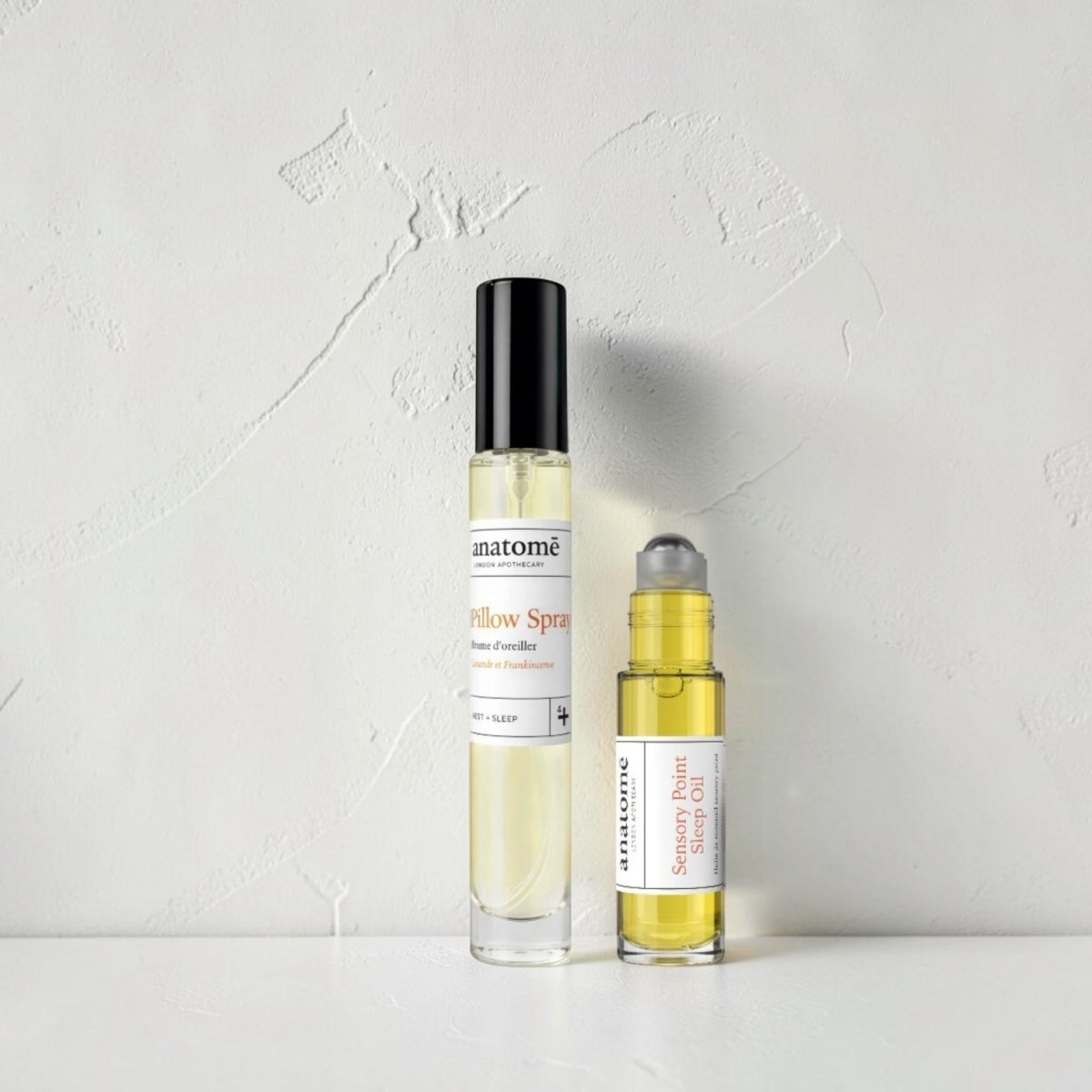
At anatomē, we believe that better sleep starts with understanding what your body actually needs. Our sleep collection brings together carefully selected ingredients, honest formulations, and a genuine commitment to rest that goes beyond the label.
Restful evenings require a deliberate approach. The anatomē sleep collection is built with every formula designed to work with your body and for people who are concerned about rest.
